
The Last Stunt Double at the Premiere
In 1962, a retired stunt performer attends the premiere of a film built from her most dangerous work. An old colleague asks her to help recover footage proving whose body paid for its celebrated hero.
 ImagineYourBook
In 1962, a retired stunt performer attends the premiere of a film built from her most dangerous work. An old colleague asks her to help recover footage proving whose body paid for its celebrated hero.
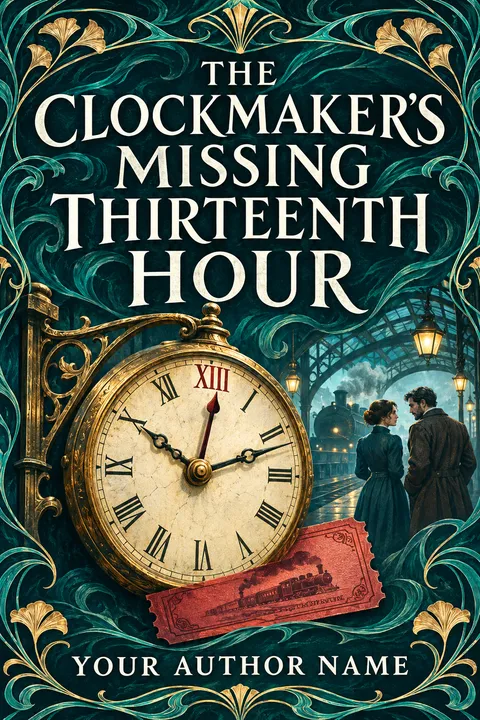
In 1888, a railway clockmaker finds a death recorded between two official hours. A timetable correction could save an accused porter, if she can prove whose clock the station agreed to believe.

Three widows buy the toll road to a fashionable mountain resort after being refused service there. Their new toll is a truthful answer to one question, which makes a traveling salesman and the sharpest widow unexpectedly dangerous to the resort's carefully polished reputation.
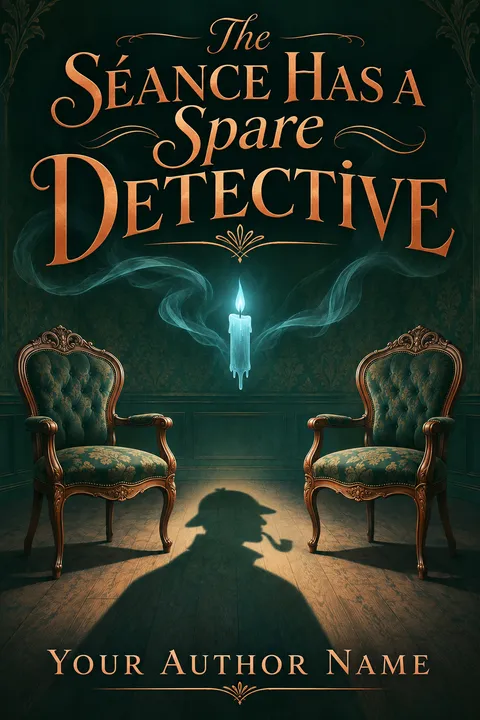
In 1907, a police stenographer attending a séance hears two detectives claim to be the same dead man. One voice knows a murder that has not yet been reported.
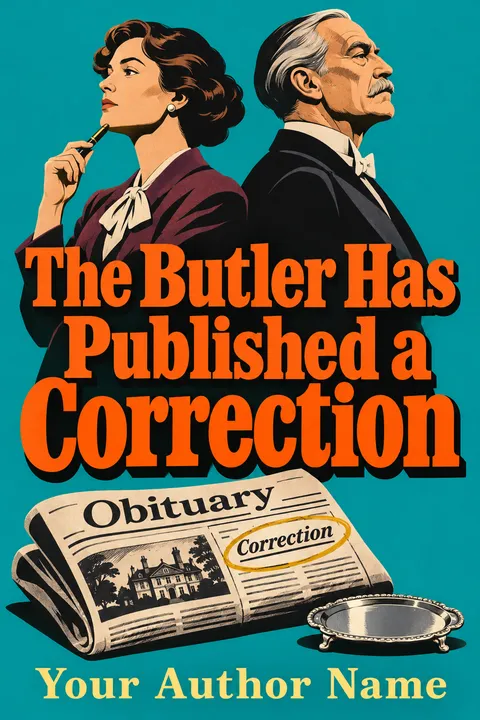
A retired butler sends a newspaper correction claiming his employer died on the wrong day, although the family held a public funeral. A meticulous obituary writer and the former butler compare household routines, revealing a deception built around an inheritance nobody appears to want.

A choir's unpaid accompanist in 1958 stops playing one note that appears in every ceremonial anthem. A piano tuner notices the omission, and together they must decide how to make a town hear a grievance it has politely harmonized away for twenty years.
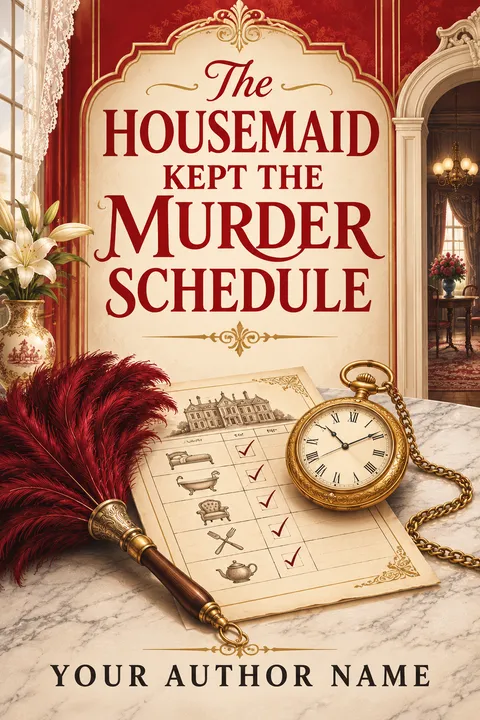
In 1897, a housekeeper's assistant tracks a mansion's rooms by the work required to maintain them. A guest's death turns her cleaning rota into evidence the household cannot dismiss without exposing its secrets.

In a fictional rural town in 1948, a glazier returns to replace windows broken during years of upheaval. The one household refusing new glass belongs to an adult photographer whose view of recovery challenges everything the town wants to look past.
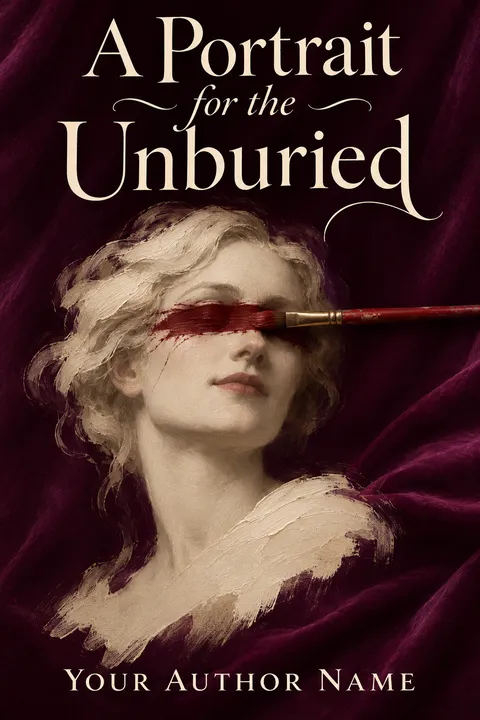
In 1896, a portrait painter is hired to paint a living man's funeral portrait. Every sitter she chooses as a reference disappears from the household records.

In 1936, an orchard manager lets a rumor of buried treasure circulate to stop the land being sold. The traveling soil tester who knows the trees are the real wealth must help her replace a profitable lie with a future the workers can actually share.
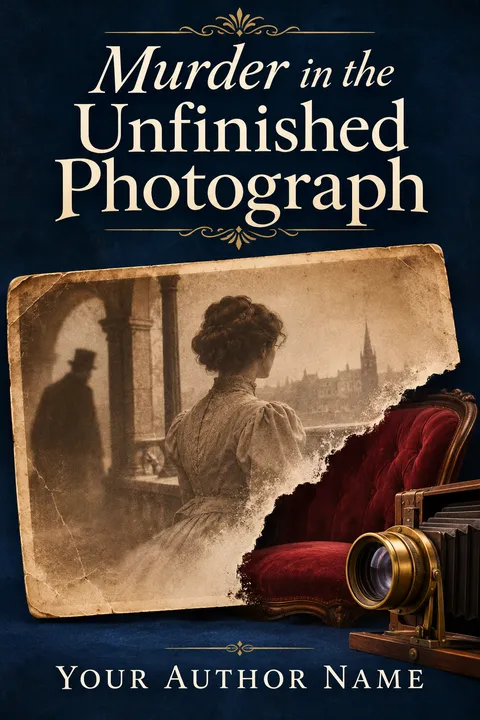
In 1912, a photographer develops a portrait containing a body the room could not have held. The missing final exposure is the only witness who can put the scene back in order.

A pastry cook in 1791 is commissioned to bake a cathedral large enough to walk inside. A carpenter hired to support the sugar walls discovers that the extravagant dessert is concealing a very practical plan to keep the town's poorest residents outside the celebration.

In a postwar village, a postal censor buries letters she refused to destroy. Years later the orchard grows the addresses into its bark.

In 1867, an insurance clerk investigates a widow whose husband exists in every ledger except the birth register. A murdered printer has left her marriage certificate unfinished.
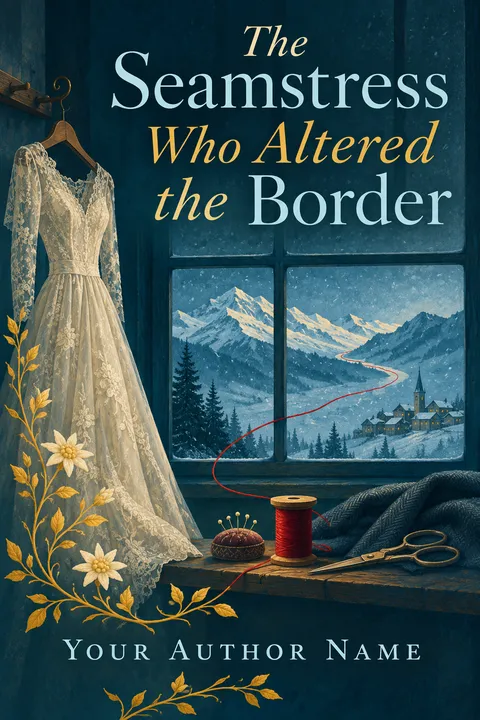
In 1938, an alpine dressmaker begins repairing coats for travelers who cannot safely explain their journeys. An unfinished wedding dress forces her to choose between the village's profitable silence and a person waiting beyond the pass.
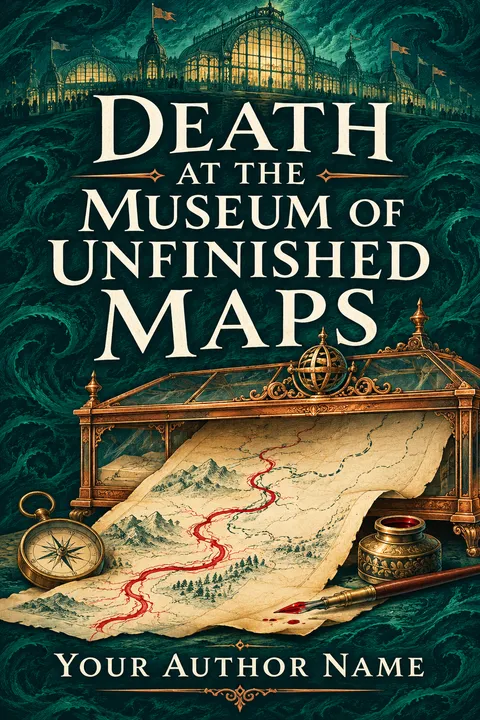
At an 1893 trade exhibition, a map colorist discovers a murdered surveyor beside an incomplete river chart. Finishing it would reveal the destination someone paid to keep imaginary.

In 1946, a projectionist opens her damaged cinema even when the power fails. The stories audiences tell in place of the missing films expose the futures her town is willing to imagine for some people and not others.
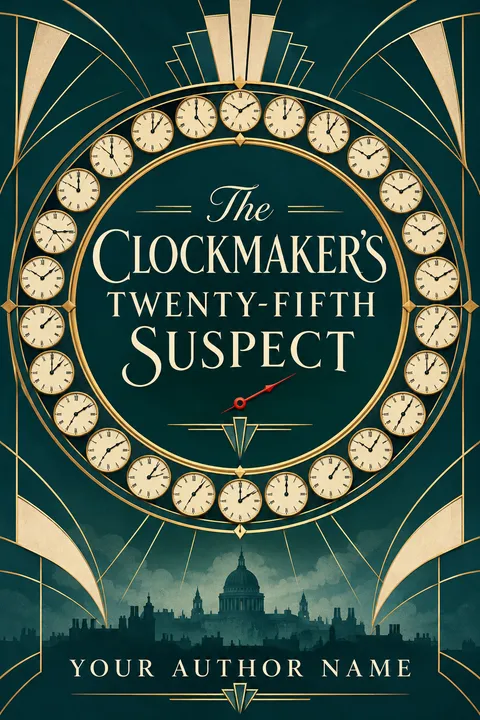
In 1936 Prague, a clock repairer reconstructs a murder from twenty-four clocks stopped at different hours. The only witness missing from the police list has never owned a watch.
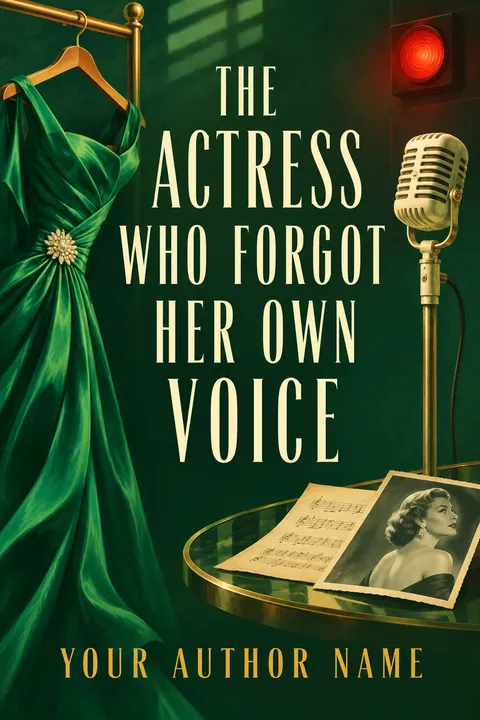
In 1958, a celebrated film actress loses the singing voice the public believes is hers. The uncredited performer asked to replace it must decide whether success means inheriting a lie or finally speaking under her own name.
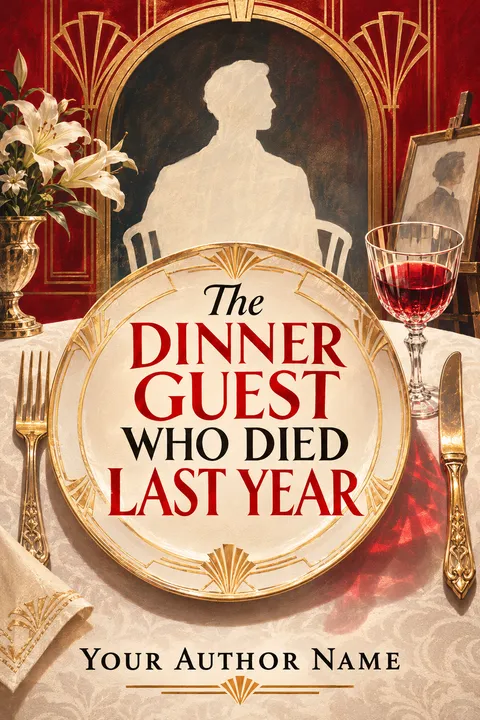
In 1924, a portrait painter recognizes a dinner guest whose death she helped document. When another guest is killed, she must separate an invented identity from a very real history of blackmail.

In a fictional port in 1908, a florist receives simultaneous orders from a visiting minister and the workers protesting his arrival. Keeping her shop alive means deciding which public celebration her flowers will describe, and who gets to call the result beautiful.
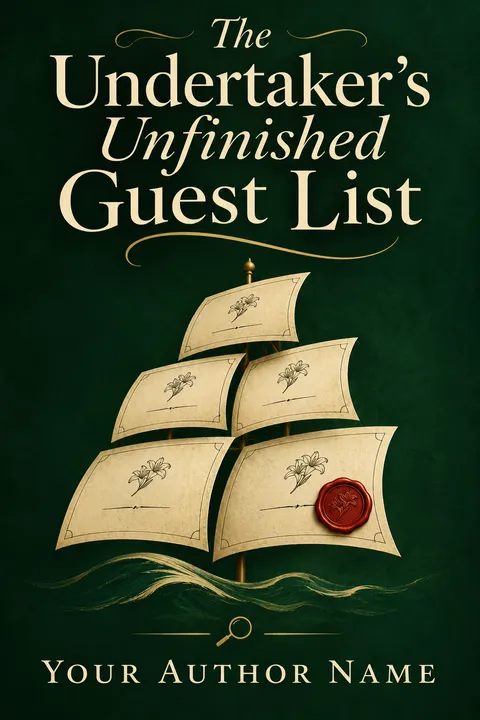
In a fictional 1904 port, an undertaker receives five advance funeral bookings from passengers on a ship that arrived with no deaths. Her assistant recognizes every signature.

In an invented 1930s city where every public room must broadcast state radio, a piano tuner smuggles pockets of silence inside instruments.
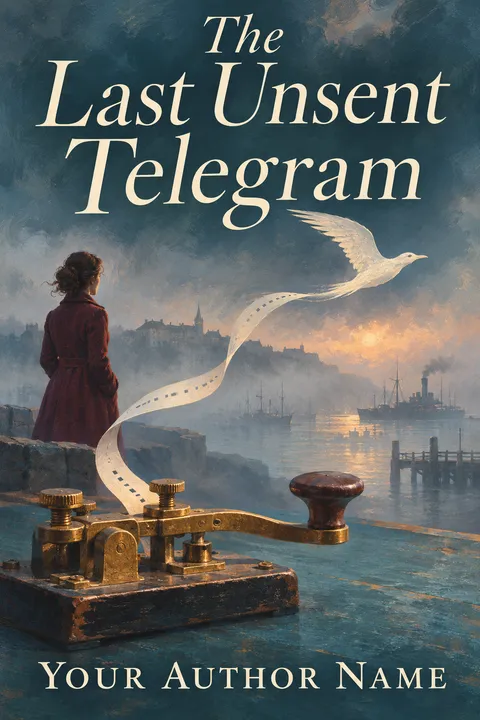
In a fictional 1946 port, a telegraph operator is paid to destroy one undelivered message.
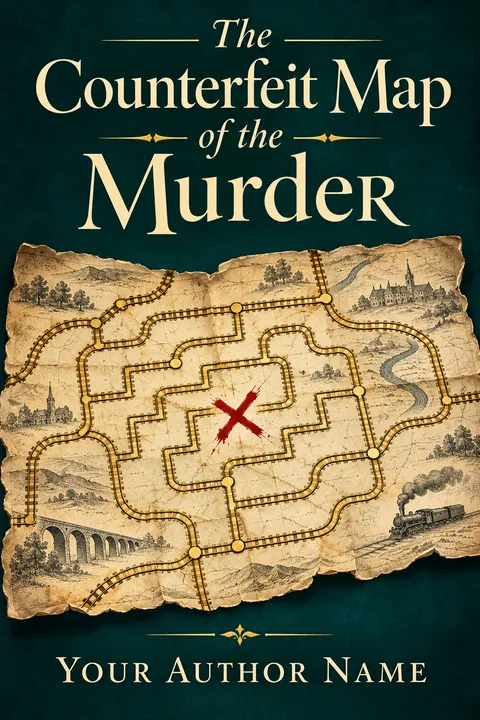
In 1904, a railway draftsman finds a murder marked on a map of streets not yet built. Proving the map false could erase the only route to a witness hiding inside the construction works.
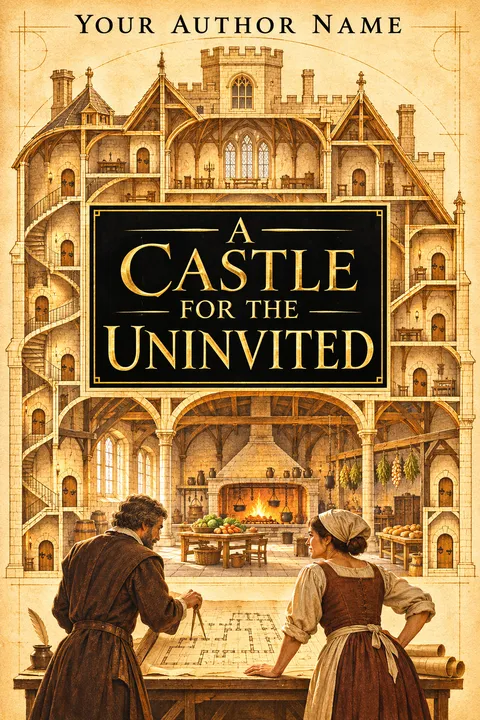
In 1620, a widowed surveyor is paid to design a grand house with no guest entrance. The woman responsible for feeding its construction workers proposes an inconvenient alternative, and their growing alliance turns an architectural commission into a battle over who deserves shelter.
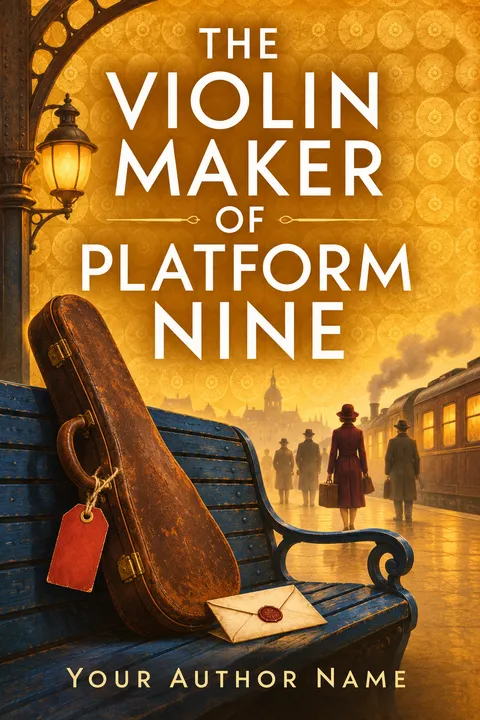
In 1939, an instrument repairer at a European border station begins recognizing travelers by the damage to their cases. One violin arrives without its owner and carries a request she cannot safely forward.

In 1940, an English railway clerk keeps letters stranded by a canceled evacuation route. Delivering one message draws her into a network of ordinary people protecting a family the official passenger lists omitted.
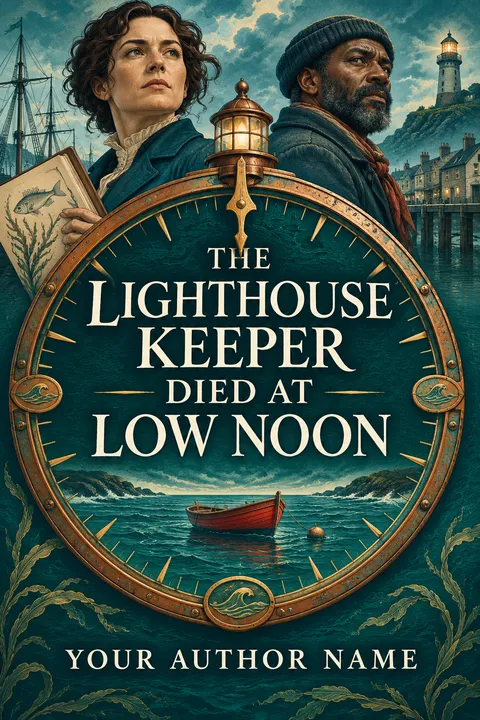
In a fictional port in 1875, a marine illustrator discovers a death assigned to an hour the local tide-clock cannot show. A wrongly accused boatman needs her to establish whose version of the harbor everyone has agreed to believe.

In an invented farming district in 1934, a fruit grower discovers neighbors have buried apology letters beneath her trees for decades. A flood brings them up unfinished, forcing a family to decide which old debts deserve repair rather than another harvest of silence.
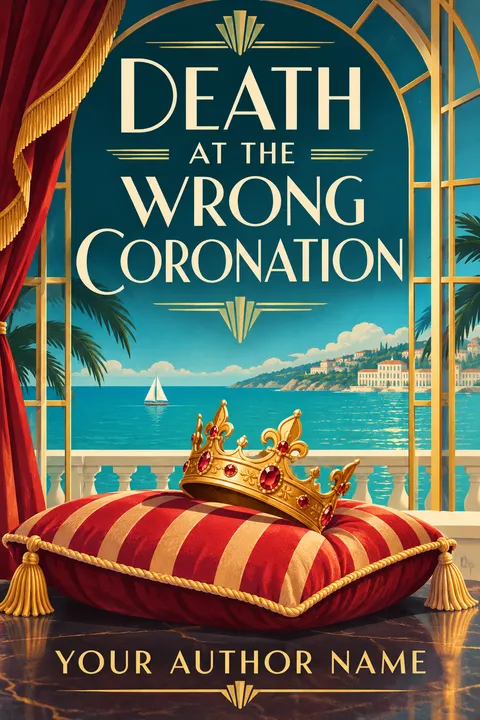
In 1923, a seaside hotel's theatrical coronation ends with a real corpse wearing the wrong crown. A wardrobe mistress must identify which guest came expecting a king to die.
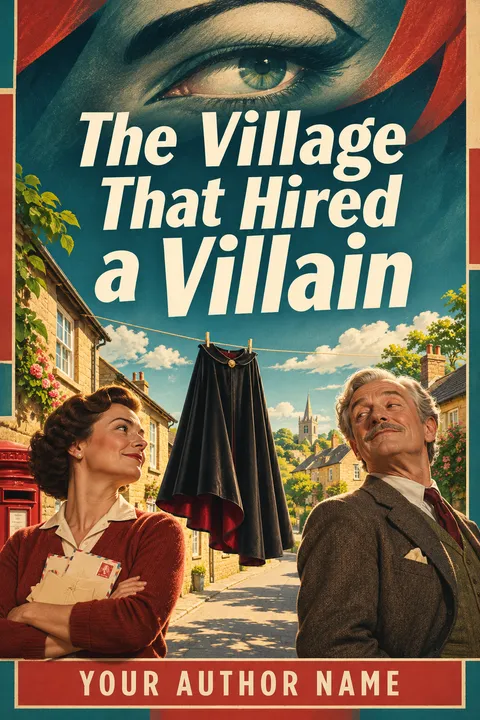
An overlooked village in 1952 pays a retired stage villain to give it a scandal worth visiting. The postmistress who invents his crimes and the actor who performs them must change their script when genuine wrongdoing threatens their increasingly devoted audience.
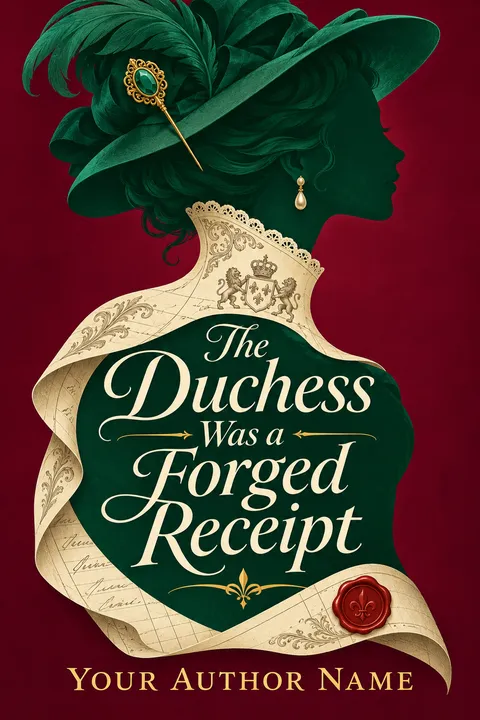
In 1894, a department-store auditor learns that a celebrated duchess exists only as a series of fraudulent returns. A murdered clerk has signed the final receipt.

Night workers in an invented town in 1947 wake to find their shift omitted from the official celebration of rebuilding. A canteen cook and a repairman organize a daylight gathering, discovering how many people have mistaken being essential for being seen.
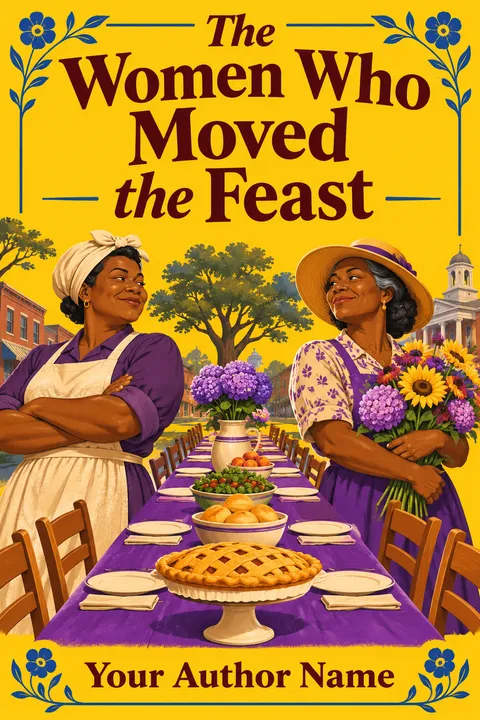
In 1946, women who cook a town's annual feast move their tables outside after being excluded from the speeches. A baker and a flower grower discover that changing who sits where can be more disruptive than canceling dinner, especially when hungry officials start negotiating.

In 1919, a temporary library archivist catalogs speeches celebrating a peace that has not improved the lives outside her window. A veteran's unfinished address makes her question who is permitted to describe what victory cost.
No saved stories yet. Find your first.