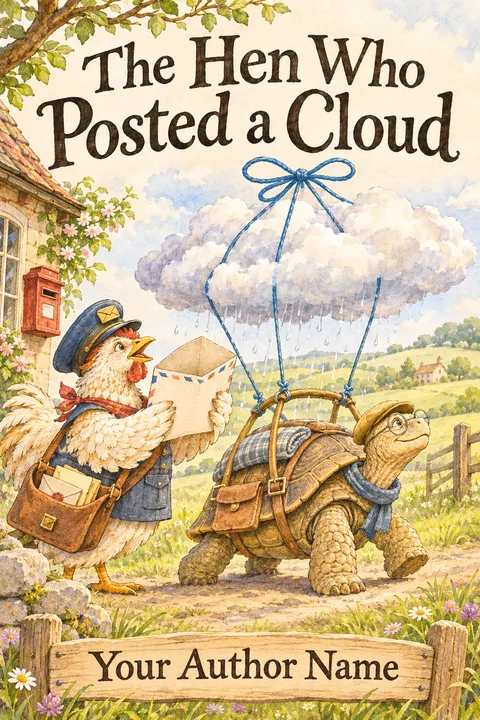
A hen postmaster accepts a cloud as a parcel and cannot persuade it to stay inside the envelope. A tortoise courier helps deliver it without squeezing out the rain, discovering that a good delivery sometimes means changing the package instead of blaming the parcel.
After a city bans animals to achieve perfect cleanliness, a sanitation inspector finds one elderly dog. A former bus driver helps her shelter it in a disused waiting room, where a growing circle of strangers discovers the one activity their efficiency system cannot value: keeping an ordinary creature company.
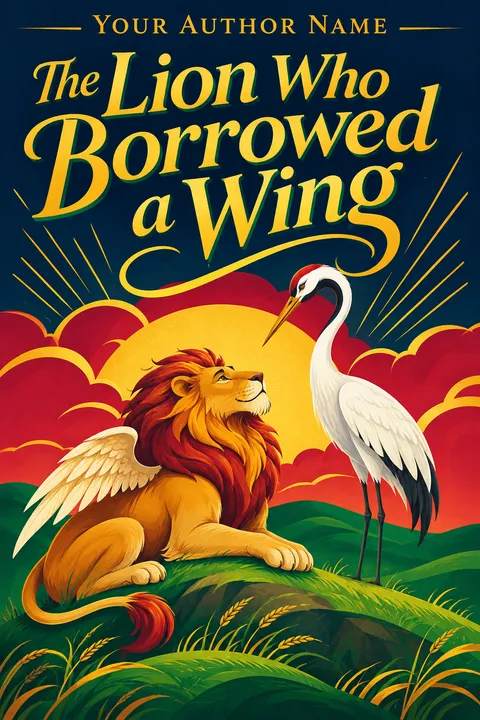
A lion borrows one wing to see what lies beyond his familiar hill. A patient crane teaches him that flying with one borrowed thing requires more listening than courage, especially when everyone below expects him to bring back a piece of the sky.
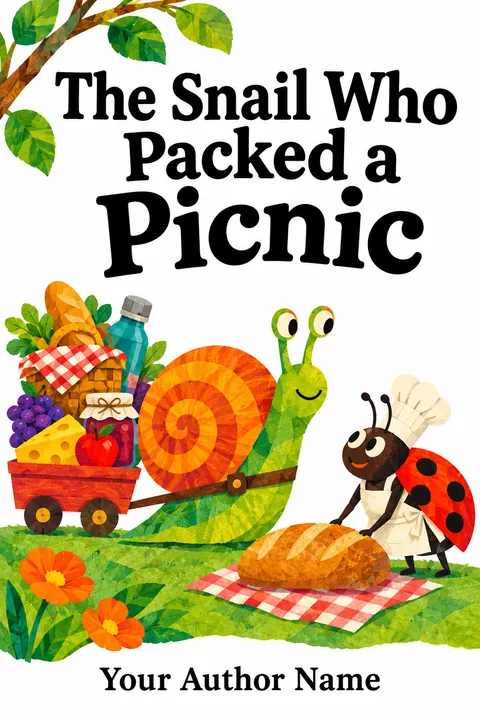
A snail packs such a magnificent picnic that he forgets to leave space for a friend. A ladybird baker helps him choose what to carry, and a very short journey becomes a cheerful lesson in having enough without needing everything.
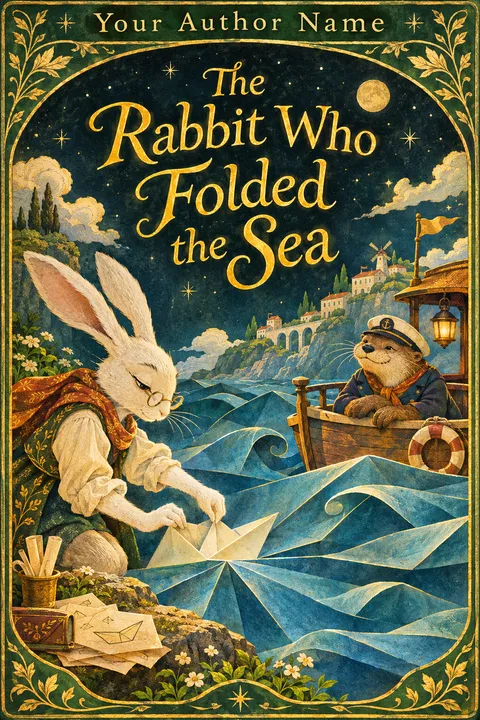
A rabbit folds a paper boat so perfectly that the sea folds with it. A patient otter ferry captain helps her unfold the waves, learning that a clever shortcut can become a much better invention when everyone who uses the water gets a say.
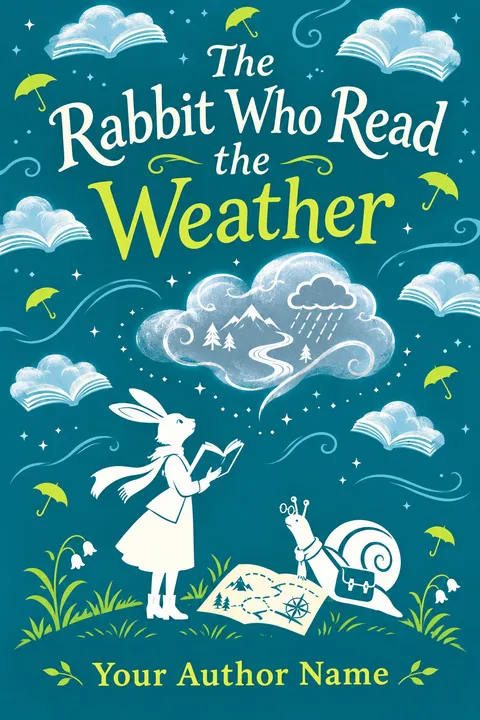
A rabbit reads cloud shapes as if they were library books, but one morning the sky prints a story she does not understand. A snail mapmaker helps her follow its pictures, discovering a lost raincloud that needs directions rather than a reader who knows every answer.
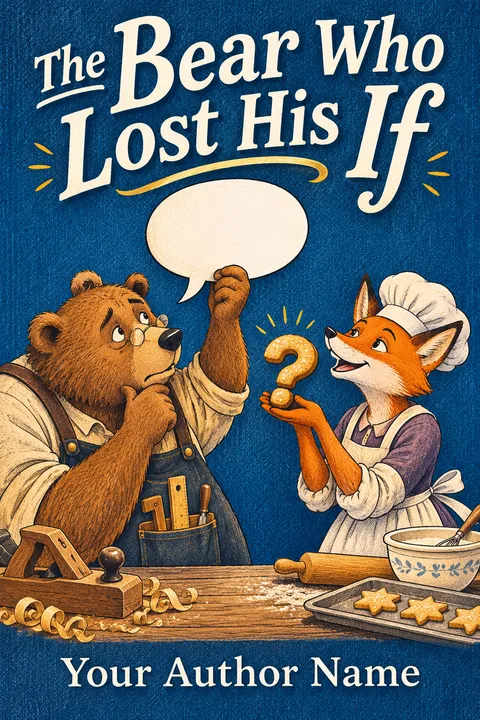
A bear loses the word if and finds he can no longer imagine anything that is not already true. A fox baker helps him search through possibilities, discovering that some of the best adventures begin with a question nobody can answer yet.
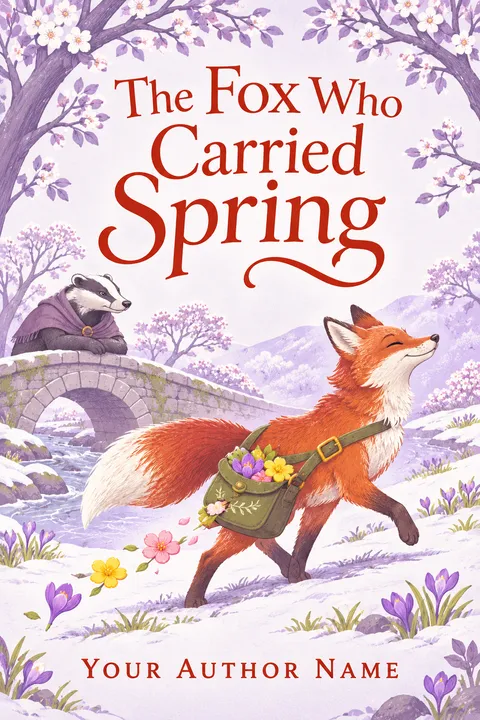
A fox carries spring in a leaky satchel and keeps stopping to help everyone she meets. An impatient badger must choose between delivering the season on time and discovering why the smallest kindnesses make flowers grow in the wrong places.
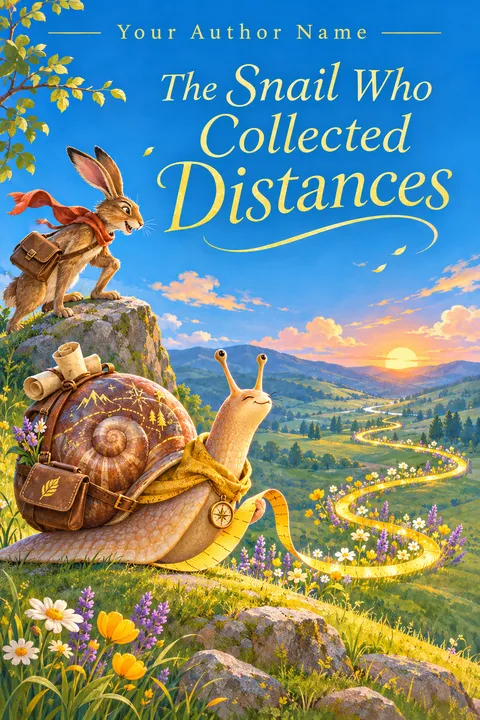
A snail measures journeys in wonderful things noticed along the way. A hare challenges her to cross the valley before sunset, but her growing collection of distances reveals that arriving quickly and having traveled far are very different kinds of achievement.
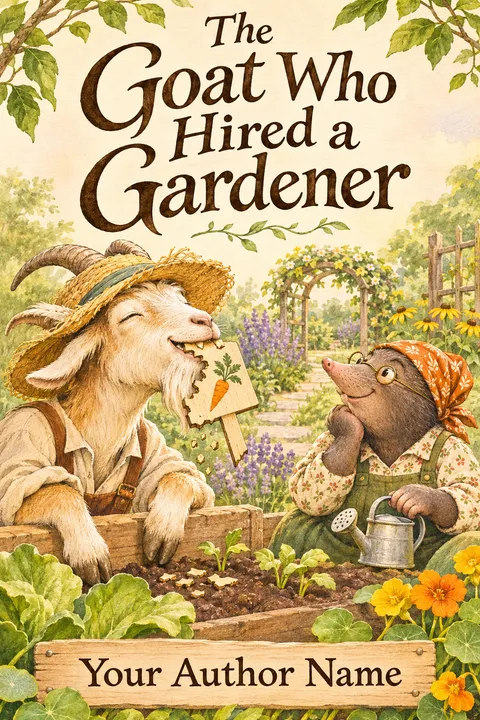
A goat opens a garden but keeps eating every sign explaining what should grow there. A mole gardener helps him find a way to enjoy his appetite without swallowing the work, turning a comic disagreement into a friendship with room for different talents.
Decide what being an animal changes in your story. A snail experiences distance differently from a fox; a nocturnal owl notices another part of the day. Useful physical traits can shape obstacles, humor and cooperation without making every character a walking lesson about their species. Give each one a want, a skill and a blind spot.
Choose the reading experience before the plot grows. A picture book may follow one small problem through a few visual attempts. A chapter book can build a journey with recurring friends. An older-reader animal adventure can explore territory, leadership or belonging through a more complex society. Talking animals do not automatically make a story suitable for young children.
Let relationships develop through action. Friends may need different kinds of space, solve the same problem in different ways or discover that helping means asking first. Keep realistic animal-care facts separate from openly fantastical behavior. The original concepts below include sample beginnings and outlines. Choose one in ImagineYourBook, then adapt its reader age, cast and world into the animal story you want to tell.