
The Robot Who Baked the Sun
An obsolete bakery robot creates a miniature sun to keep its dough warm. A retired engineer and a night baker must find a safe home for the tiny star, while their cold city asks whether an accident can belong to everyone.
 ImagineYourBook
Create an environmental story with a vivid place, conflicting needs and a change readers can feel.
An obsolete bakery robot creates a miniature sun to keep its dough warm. A retired engineer and a night baker must find a safe home for the tiny star, while their cold city asks whether an accident can belong to everyone.
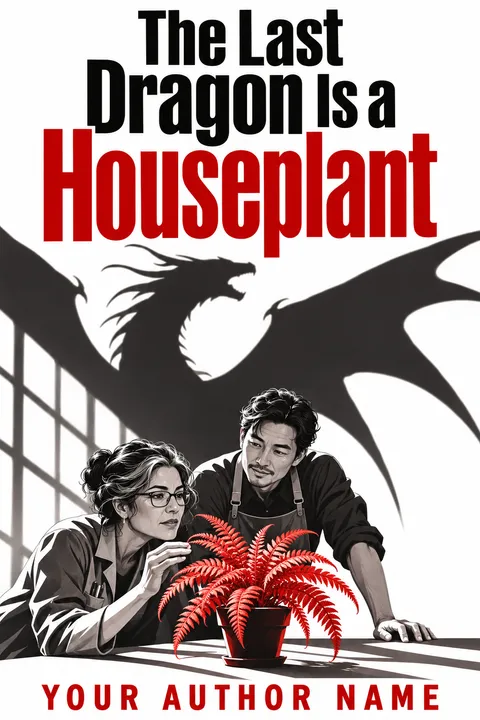
A botanical conservator discovers that a neglected office fern is the final stage of a dragon's life cycle. An indoor gardener helps her keep it alive while developers prepare to replace its building, unaware that flowering would give the city wings.
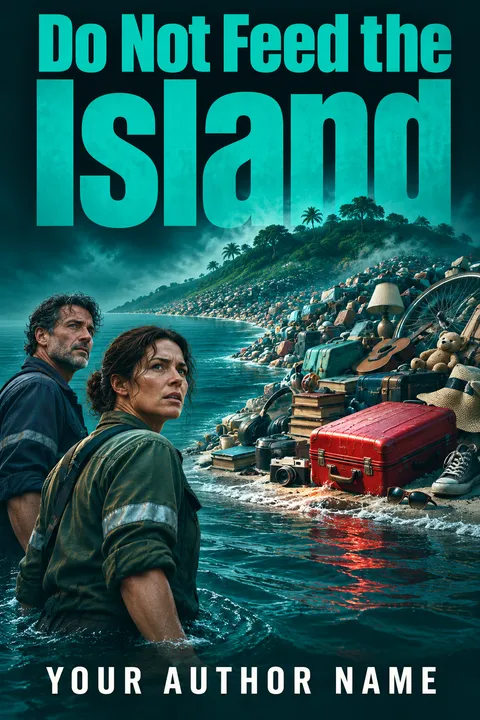
A tourist island grows a little larger every time visitors leave something behind. Its waste manager and a ferry engineer discover that the new shoreline is made of perfectly preserved possessions, and the island's appetite is beginning to include things people never meant to discard.
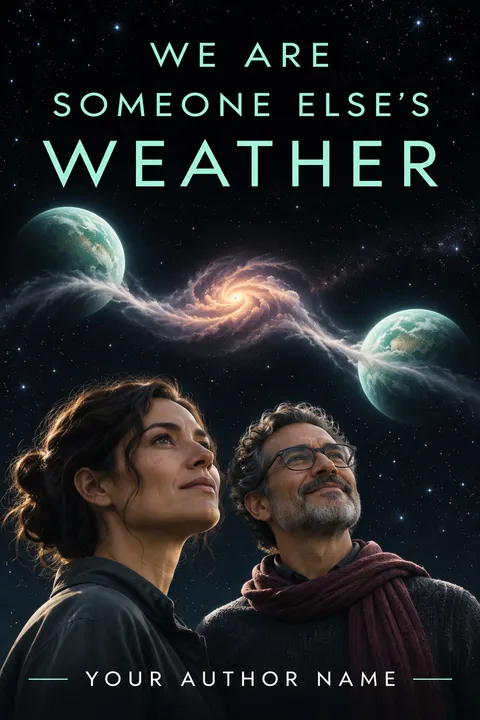
A climate modeler discovers human moods create weather on a distant inhabited world. Its first ambassador requests less anxiety. A community choir director helps her design an answer that protects both civilizations without turning Earth's emotional life into another managed resource.
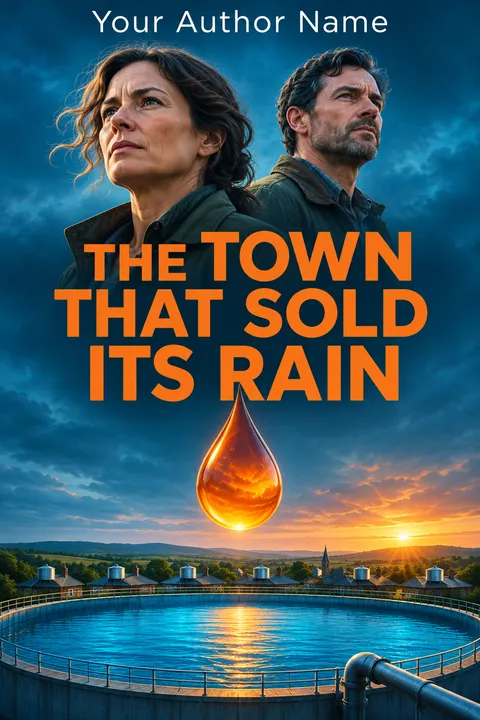
A rural council signs a contract selling the rights to its rainfall as a publicity stunt. When collection tanks appear on every roof, a school administrator and an agricultural engineer discover that an absurd agreement has become a real threat to the people who never consented.
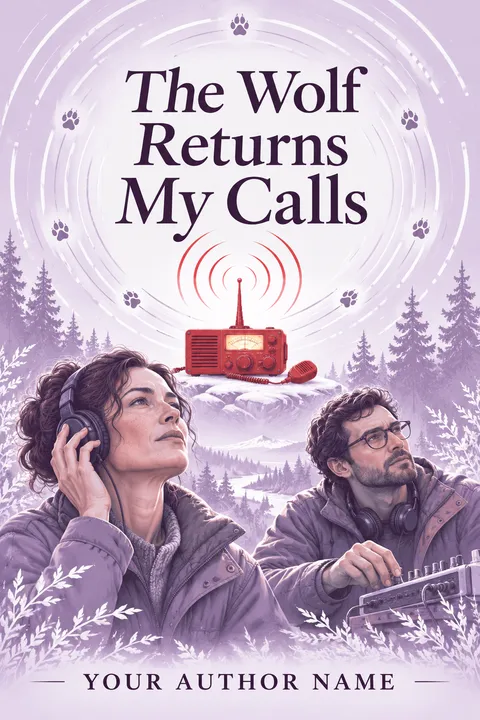
A wildlife radio operator receives a complaint about her father's obituary from a wolf wearing his old tracking collar. A sound engineer helps her hear an unfamiliar account of their shared past, but correcting the human record may cost her the only reassuring story she has left about her father.
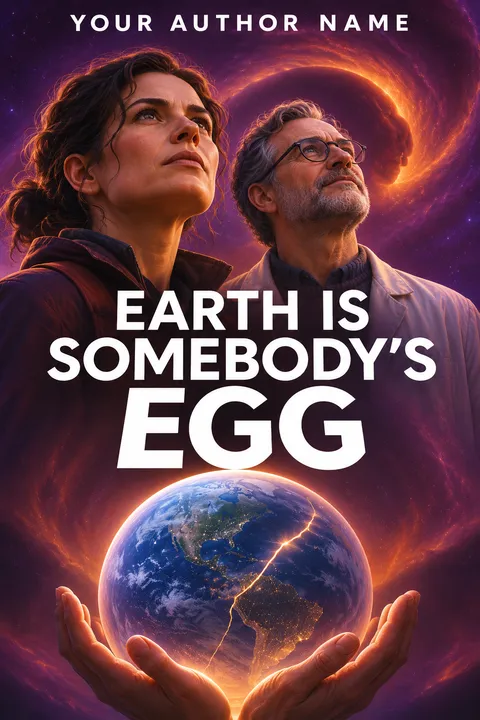
A seismologist discovers Earth's tremors are the movements of an unhatched creature. A midwife joins the scientific team because the creature responds to her voice. Saving humanity may depend on persuading a cosmic parent that nobody living on the shell is a parasite.
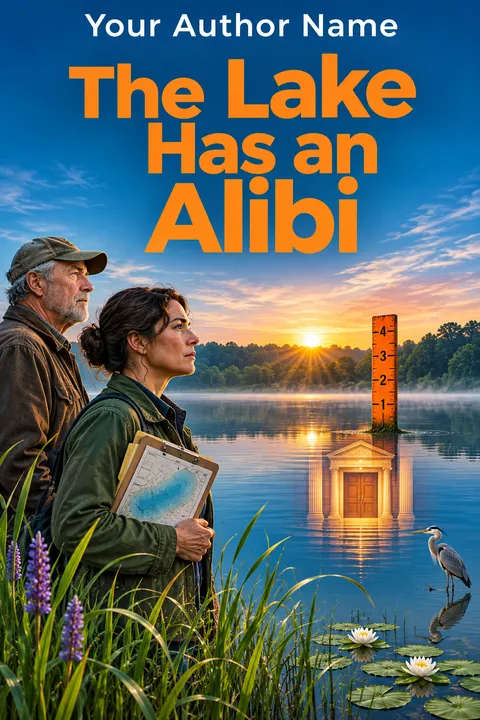
A water survey contradicts a corporation's claim that a lake caused a town's supply failure. An environmental clerk and a retired boat mechanic discover the lake has been blamed for decisions made miles away, and must build a case before the drained shoreline erases the evidence.

A pigment conservator discovers a new color that makes viewers remember an ocean humanity has never visited. A marine biologist helps her trace its origin, while the city moves to classify the color as a contagious species with no right to enter human vision.
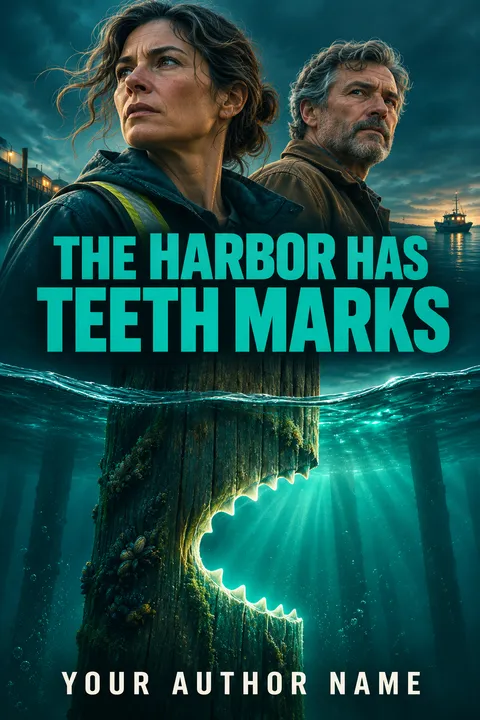
A harbor inspector finds identical bite-shaped gaps in every wooden pier, although no animal could have made them. A marine carpenter notices the missing pieces form a map of developments built over an old tidal channel, and the next high water seems determined to reopen it.

A neural repair patient begins dreaming of a garden whose plants correspond to other people's memories. A rehabilitation botanist helps her cultivate it, while a medical company argues that the flourishing inner landscape is patented tissue and should be harvested before it becomes conscious.
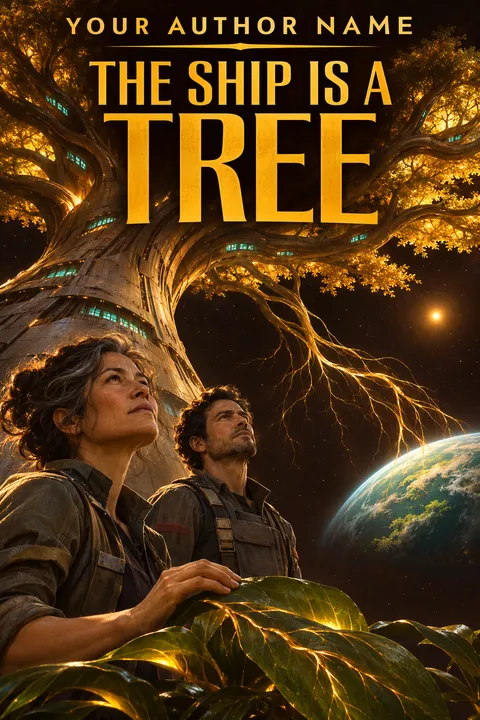
A starship gardener discovers the vessel is growing roots toward a planet absent from its navigation charts. A hull engineer helps her follow an impossible biological memory, while the captain prepares to prune away the only part of the ship that knows where home is.
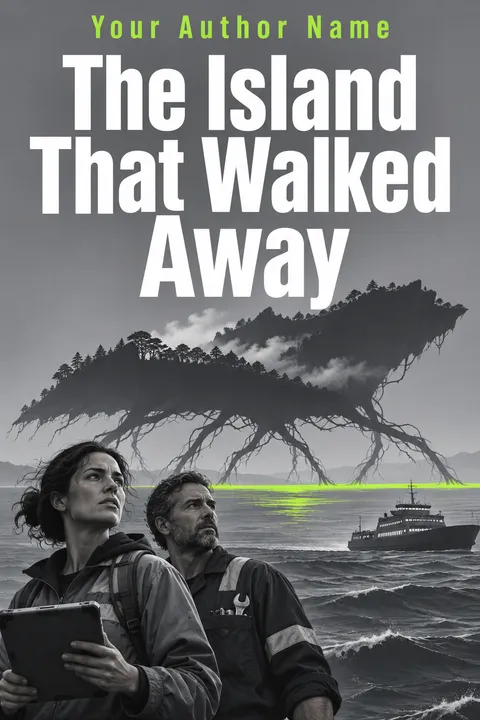
A surveyor returns to an island and finds it moving toward a shipping lane on enormous living roots. A ferry mechanic helps her evacuate its residents, but the island appears to be fleeing something the mainland has already invited home.
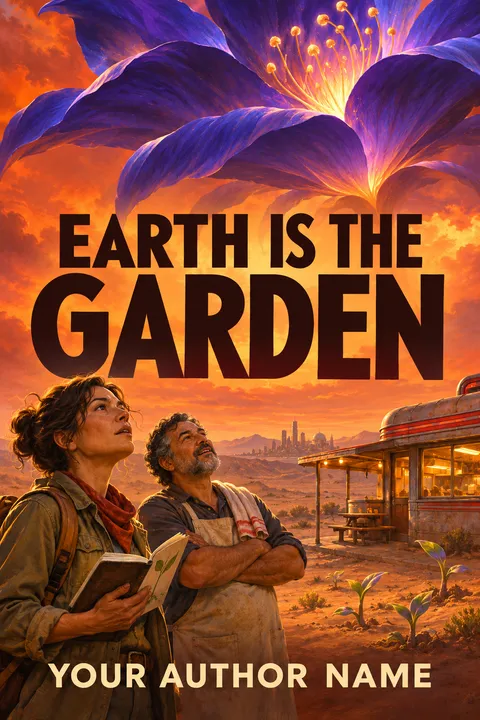
A giant flower opens above a desert city and politely asks the inhabitants to stop eating its seedlings. A botanist and a roadside cook discover humanity has mistaken an interstellar garden for wilderness, and that its returning owner expects an explanation.
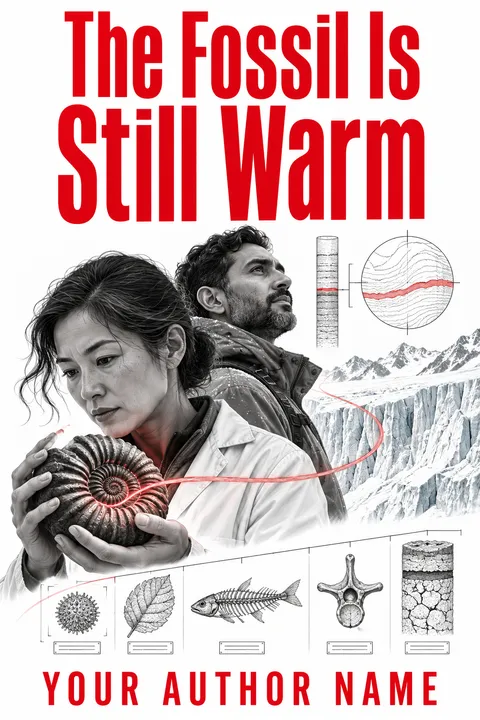
A fossil preparator uncovers a shell that is warm, growing and apparently remembering her voice. A glacier scientist traces it to a layer of future ice, where the next mass extinction has already left a beautifully labeled collection of evidence.
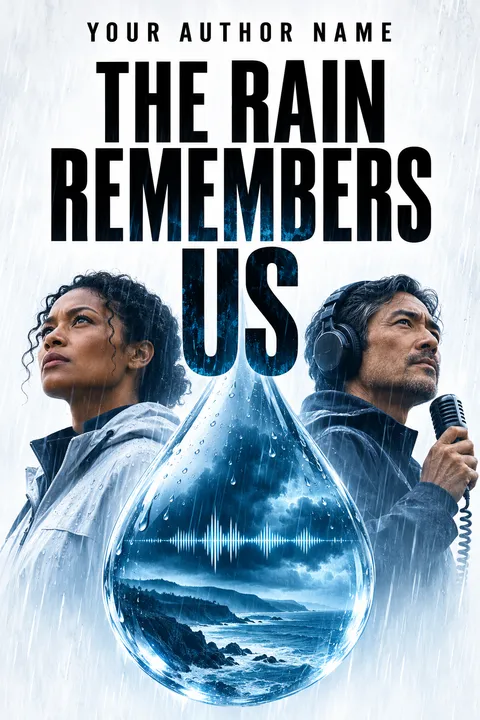
A hydrologist discovers falling rain repeats the last conversations of anyone who touched it. A disaster radio host helps her interpret an approaching storm that remembers an evacuation nobody ordered, and a coastline that has not yet disappeared.
No saved stories yet. Find your first.
Start with a place doing something specific. A reservoir falls, an orchard changes hands, a coast advances or a forest begins behaving differently. Show who notices first and what their daily work lets them understand. The environmental change should alter a practical decision before it becomes a general statement about the planet. Choose your storytelling mode. Realistic fiction needs researched ecology, infrastructure and economics. Speculative fiction can introduce an impossible rule, but that rule still needs observable limits and consequences. A living landscape need not reward good people or punish bad ones. Treat residents as people with different resources, attachments and reasons to disagree about what happens next. Give the protagonist a decision with a cost. Saving a familiar place may require changing how it is used, sharing authority or accepting that restoration cannot mean returning to an imagined perfect past. Let expertise help without making one specialist the voice of an entire community. Each idea below offers an original premise, opening and outline. Develop a direction in ImagineYourBook, adapting the setting and conflict into a book you want to write.