A struggling diner gives customers dated receipts for meals they never ate, hoping to survive a bypass. Its night cook and a delivery driver realize their harmless bookkeeping favor has become a market for alibis, and closing it may implicate everyone who ever helped them stay open.
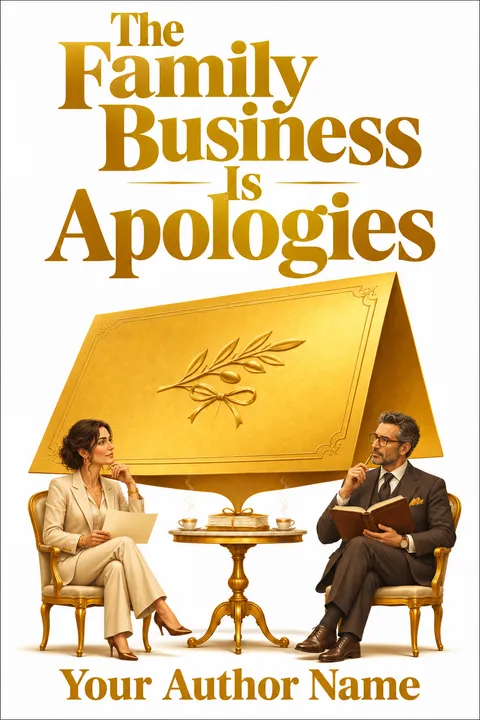
A family of professional apology writers is hired to repair the reputation of a man who refuses to say what he did. The founder's adult daughter and the accountant who knows their clients discover the missing offense may be the first honest thing in their company history.
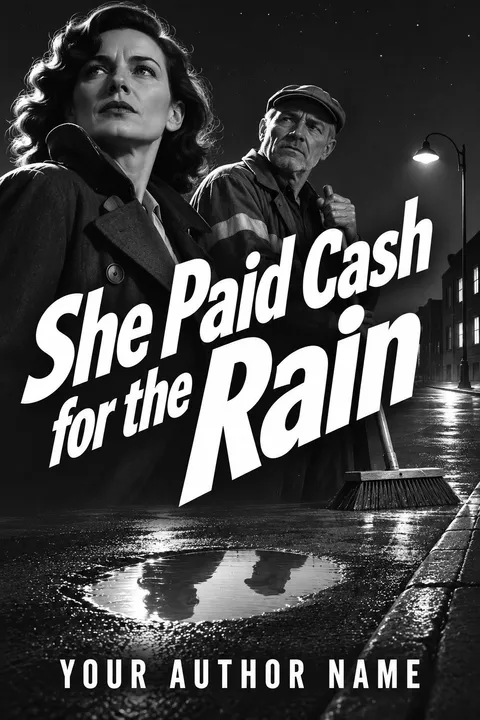
A private investigator accepts a woman's payment to prove it rained on a clear night. A municipal road cleaner remembers wet streets that the weather office denies, and their search uncovers a carefully staged accident whose most useful witness has been washed out of the records.
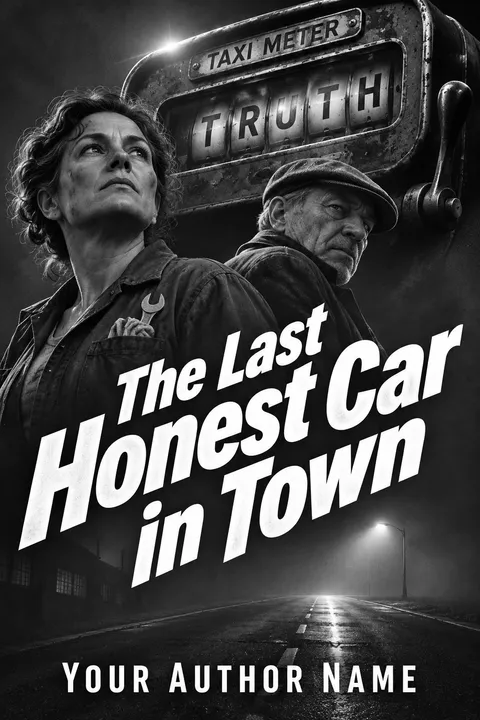
A mechanic restoring an old taxi discovers its fare meter records the truth only when its passengers lie. A former driver wants it destroyed before a collector buys it, but the mechanic sees a chance to expose a profitable fraud without becoming another person selling certainty.
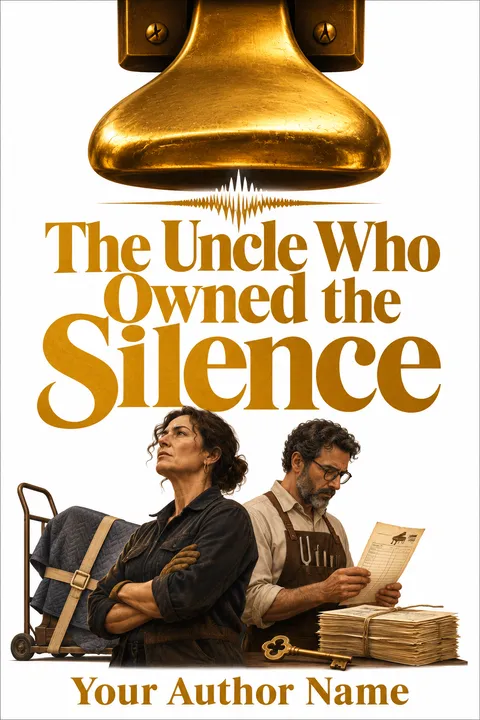
A retiring piano remover discovers her uncle has been paid for decades to keep one instrument silent. A tuning specialist helps investigate a debt recorded in service receipts, forcing her to choose between a comfortable inheritance and the people her family taught itself not to hear.
Choose the wrongdoing before choosing the final twist. A false receipt, a missing object, an altered photograph or a convenient inheritance can generate suspense when you know who benefits and what they risk. Write a private timeline of what actually happened, then decide which pieces each character can observe. That foundation lets clues mislead fairly without becoming arbitrary.
Match the investigation to the person doing it. A florist notices delivery changes; a restorer understands repairs; a professional investigator has different access and obligations. Give each lead limits, and make seeking qualified help a meaningful option. Atmosphere can be cozy, tense or noir, but the crime still needs practical mechanics that survive the ending.
Consider the cost of discovery. A protagonist may expose a lie that protected their own livelihood, or learn that a sympathetic person committed a real wrong. Accountability will feel more satisfying than a confession that tidies every consequence away. The ideas below are original premises with sample openings and outlines. Choose one to develop in ImagineYourBook, then make the motive, setting and solution your own.