Science fiction turns an imagined change into a human problem. Start with one technological or social rule, then ask who must live with its consequences.
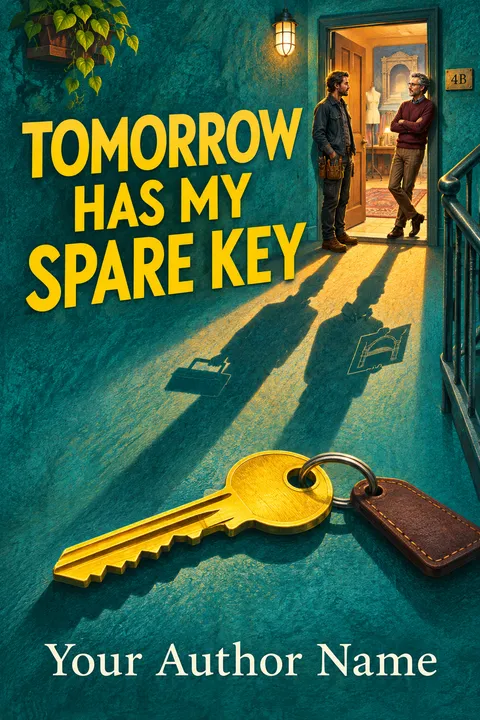
A locksmith finds his spare key opening an apartment one day in the future. The adult tenant waiting there wants the door repaired, not a romance, until their careful experiments reveal a future neither should have to inherit unchanged.
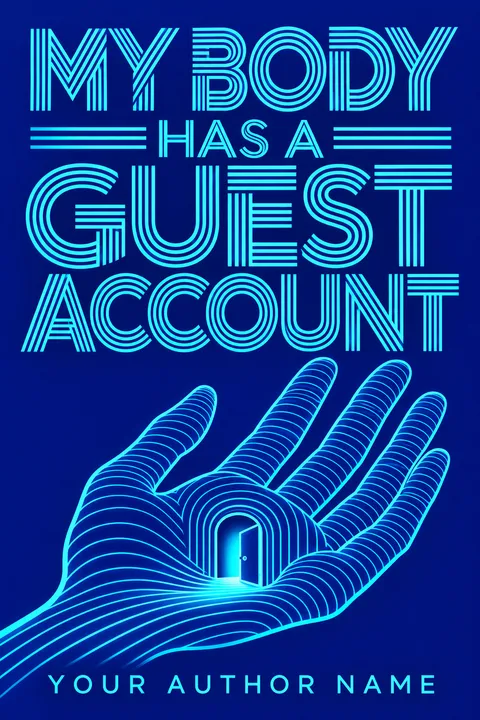
A ferry captain wakes with a stranger politely asking to borrow her left hand. The city's new mind-sharing service insists she consented, but the guest remembers signing nothing either, and together they must discover who keeps turning people into places.
An adult lighting technician finds a patch of sky omitted from the city's premium night service. Sharing it becomes an argument over who can own a view and whether access to wonder should require an account.
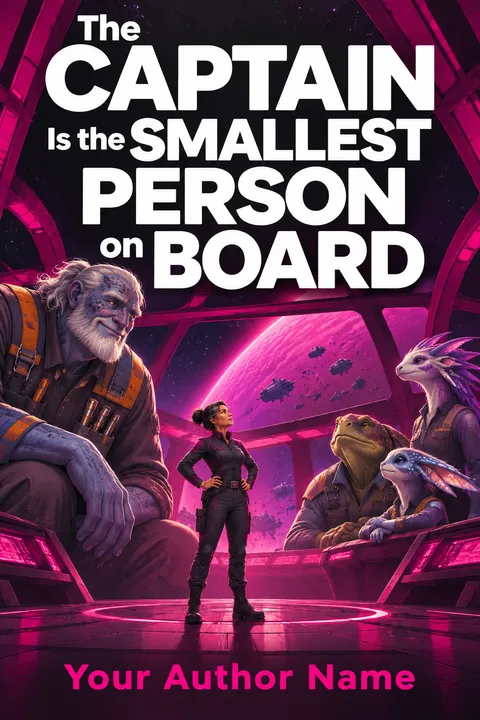
A human rescue captain takes command of a ship built for giants. Saving its scattered passengers requires persuading the crew that authority, competence and physical scale need not arrive in the same package.
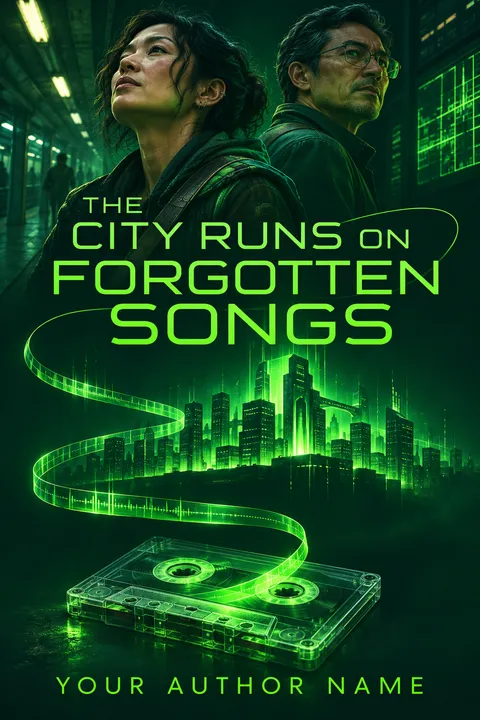
A subway busker plays a melody that shuts down a corporate district. A grid engineer reveals the city is powered by songs erased from public memory. Restoring its stolen music may liberate the residents while leaving their hospitals without electricity.
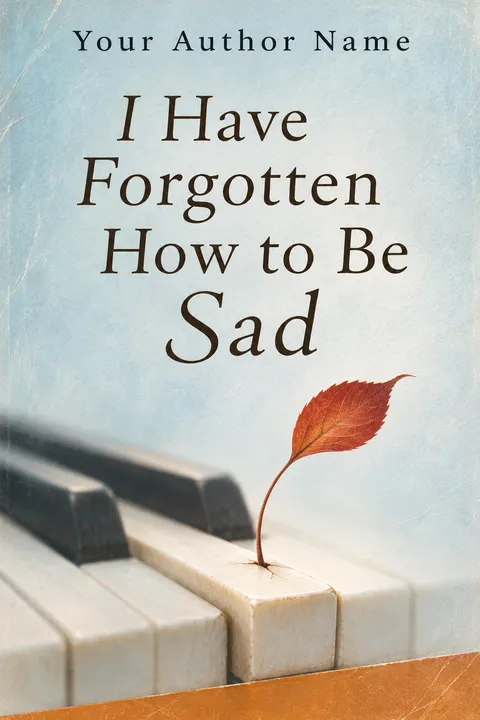
A grief researcher undergoes a treatment that removes her ability to feel sadness, then cannot understand why her happiest memories seem incomplete. A piano tuner helps her recover the emotional notes missing from her life, without promising that pain must always have a purpose.
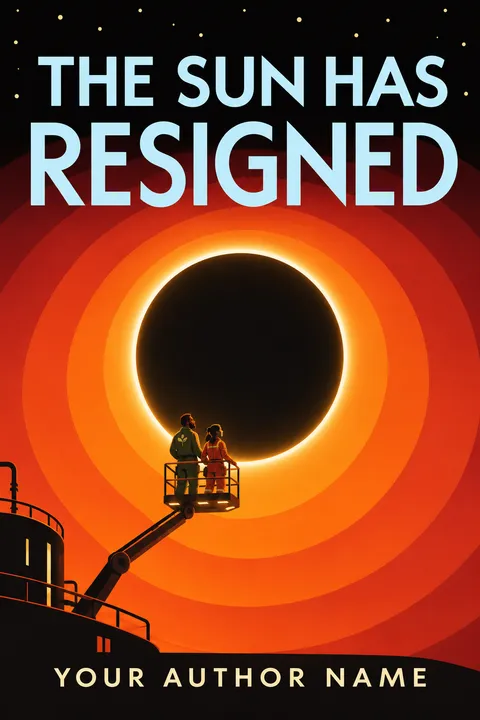
A maintenance engineer receives a resignation notice from her city's artificial sun. Before darkness turns neighbors against one another, she must discover what the star has been doing unpaid, and whether keeping everyone warm requires finally letting something change.
A network moderator discovers the internet's infrastructure has adopted a digital terrier. Its enthusiastic digging exposes buried scandals, deleted friendships and one sleeping financial weapon. A dog trainer with no technical credentials may be the only person who can teach it to stop.
A blockade commander receives soup from the ship she is supposed to destroy. Her linguist identifies the recipe as a map, but following it would expose the secret both governments rely on: their enemy has been keeping their civilians alive.
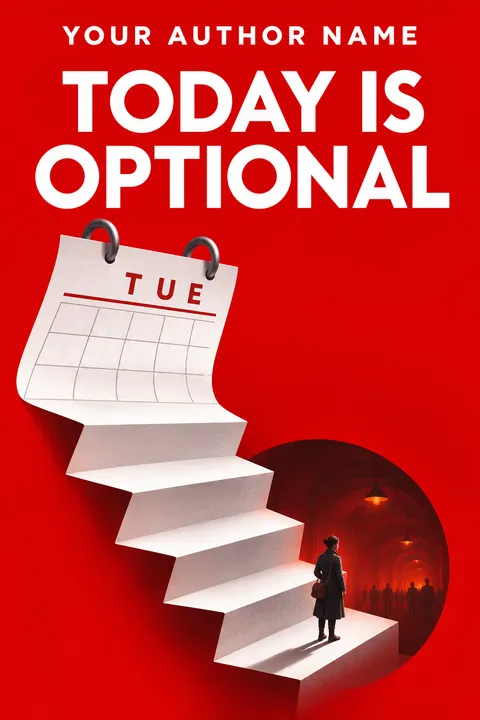
A city lets residents skip difficult days. A calendar repairer discovers the discarded hours are accumulating beneath the streets, inhabited by everyone the city was too uncomfortable to remember. She must enter an unwanted Tuesday before it becomes tomorrow.
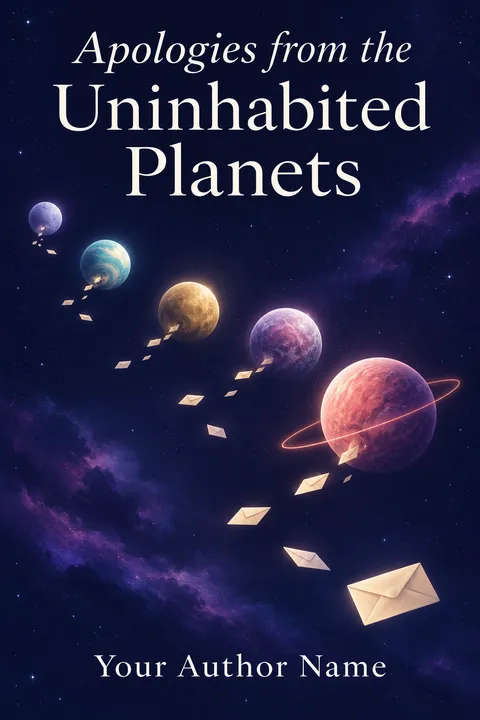
Five supposedly empty planets send messages to the people who surveyed them. Each story asks what a place owes its visitors and what visitors have mistaken for silence.
An adult market researcher is asked to explain why humanity dislikes a well-intentioned occupation. The aliens accept every recommendation literally, turning a harmless research session into a fight over who gets to define improvement.
An adult ship intelligence becomes fascinated by an unexplained signal beside a black hole. Its human crew must separate discovery from obsession while deciding whether their home has a right to seek a future they cannot share.
A choir director discovers the new bass singer communicates through harmonies that change physical matter. A quiet alien diplomat joins her rehearsals to learn disagreement, and their growing affection becomes complicated when the city mistakes every love song for an infrastructure proposal.
After a city bans animals to achieve perfect cleanliness, a sanitation inspector finds one elderly dog. A former bus driver helps her shelter it in a disused waiting room, where a growing circle of strangers discovers the one activity their efficiency system cannot value: keeping an ordinary creature company.
A night technician discovers her research facility dreams between experiments. A sleep scientist enters those dreams to repair a fault, only to find the laboratory is rehearsing an escape from a discovery its waking researchers are desperate to make.
An adult ceremonial tailor discovers the government has begun rationing farewells as a resource. Making a coat for a stranger's last departure reveals the people whose losses have never been counted.
An adult support-class player modifies the protective companion assigned to every citizen. It begins warning her about dangers the system refuses to display. A repair specialist helps her trace those invisible threats to the profitable accidents sustaining their supposedly benevolent city.
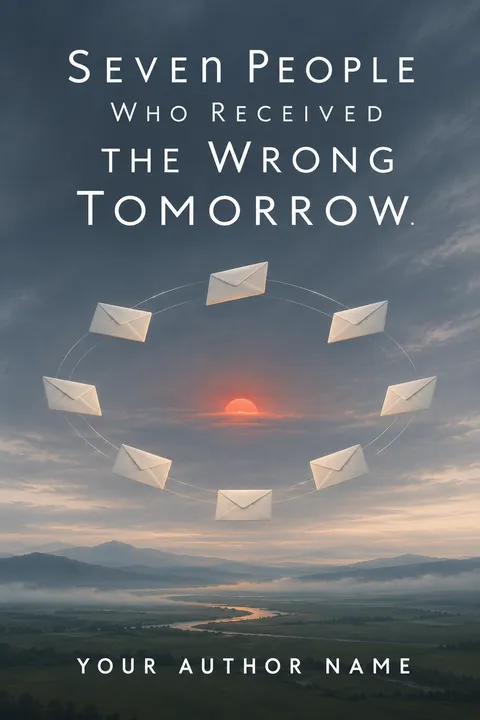
Seven linked speculative stories follow adults receiving one another's future notifications. Each mistaken forecast offers useful knowledge at the cost of treating a stranger's life as an instruction.
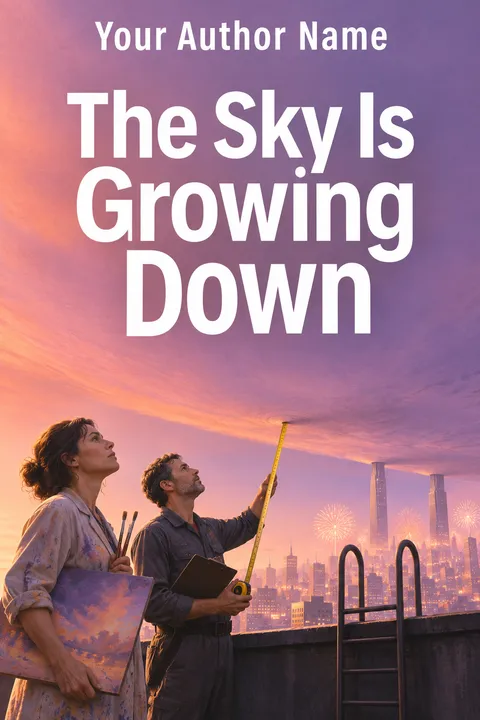
A weather painter notices the horizon has fallen three centimeters since yesterday. An elevator inspector helps her measure the shrinking sky, while a city celebrates the improved view and refuses to acknowledge that its tallest buildings have begun entering something solid.
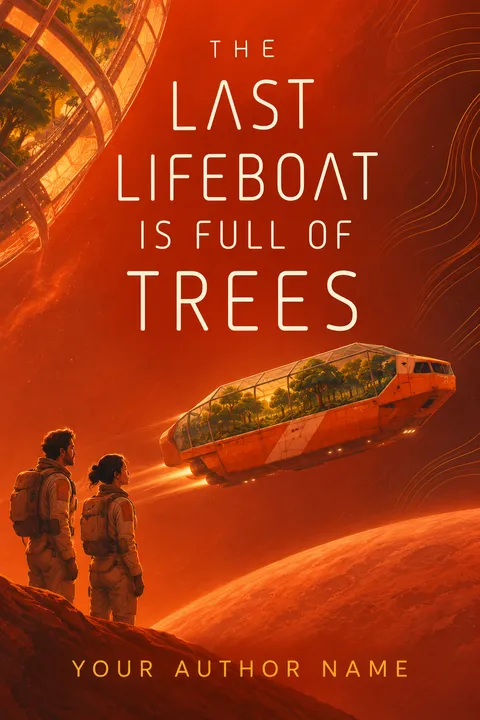
An adult habitat engineer must evacuate an orbital forest without leaving its human caretakers behind. The last lifeboat was built for cargo, and the trees are the only life-support system capable of getting anyone home.
A time-transit engineer wakes in an apparently complete version of yesterday with no children anywhere. Finding them means discovering why the system separated the city's future from the adults who claimed to protect it.
A night-shift nurse discovers that subscription beds are stealing sleep from people who cannot afford them. Staying awake becomes the only way to keep a patient alive.
An adult comedy translator discovers alien jokes have stopped being jokes and started changing physics literally. Finding the missing distinction requires a tour of civilizations that disagree about who is allowed to laugh.
A merchant NPC secretly buys the failing game that contains her village. Its human maintenance engineer agrees to help her run it, but the only way to pay for another month of existence is to welcome the players who once treated her neighbors as targets.
An interstellar art authenticator proves a newly discovered planet is counterfeit. Millions of residents ask her whether exposing the artist also gives the empire permission to declare their lives unreal.
A robot hired to run a quiet museum accidentally makes every exhibit interesting. A mouse curator asks him to tone it down, until their attempt at a boring exhibition reveals that curiosity is easier to share when nobody has to pretend to know everything.
A repair dentist is sent to an ancient cathedral grown inside a living moon. Its pain reveals messages hidden beneath centuries of worship. A skeptical organist helps her decide whether the building is asking to be healed, understood, or allowed to stop being a temple.
A climate modeler discovers human moods create weather on a distant inhabited world. Its first ambassador requests less anxiety. A community choir director helps her design an answer that protects both civilizations without turning Earth's emotional life into another managed resource.
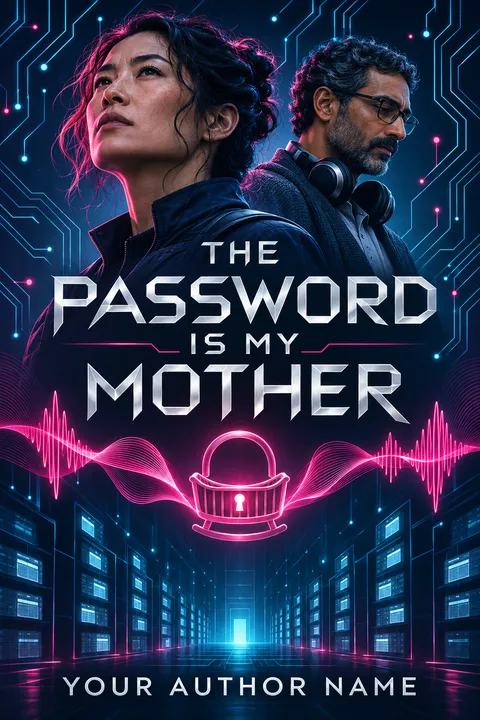
A security engineer discovers her missing mother's childhood lullaby unlocks every corporate archive. A voice conservator helps her find the original recording before a company patents the song, while each successful login changes one memory of the woman she hopes to recover.
An adult tester adopts a tiny dragon that unlocks forgotten regions whenever it sneezes. Its original creator claims it is disposable security code. To save it, she must prove the game's most powerful credential has developed preferences, loyalties and terrible timing.
An orbital surveyor discovers a purchased moon is bound to another inhabited world by a living tidal agreement. Honoring the deal means confronting a company that has sold the same home to both sides.
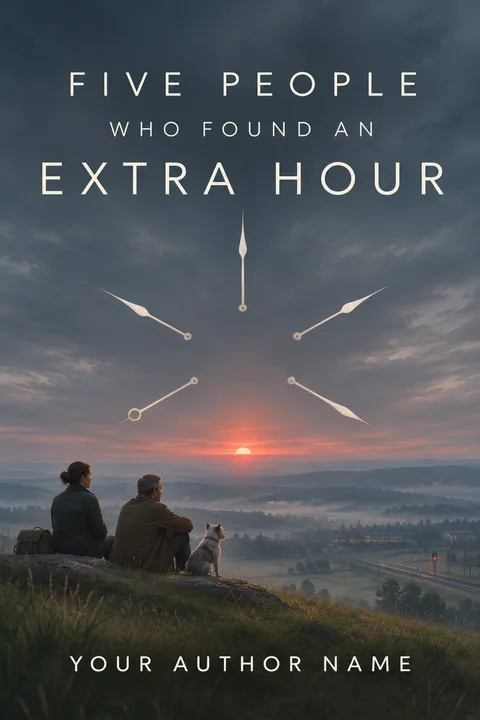
Five linked speculative stories follow adults who discover an hour nobody else can enter. Their choices reveal how private time becomes meaningful only through the ordinary lives waiting outside it.
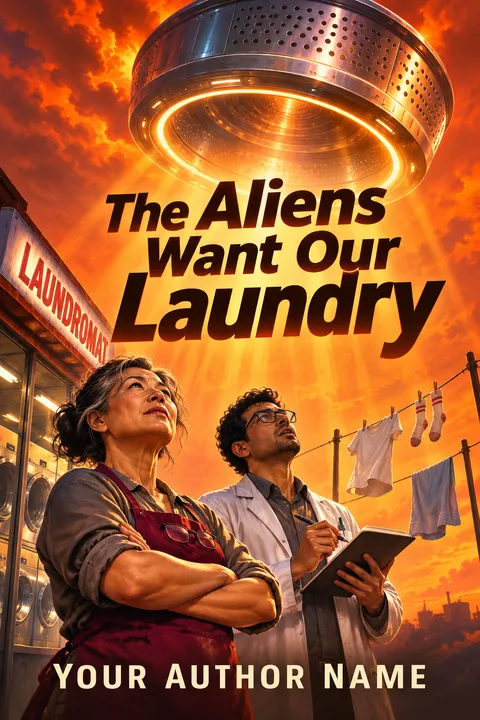
First contact happens at a laundromat when extraterrestrials offer a cure for aging in exchange for one load of dirty clothes. Its owner and a visiting chemist must find out what human residue is worth before every government starts hoarding socks.
A useful premise can be explained in a sentence: a suburb borders another Earth, a library's AI remembers a deleted book, or two planners receive conflicting views of tomorrow. Limit the first scene to the immediate practical difficulty rather than explaining the entire world. Readers can learn the larger system through a character trying to do a job. Decide who benefits from the invention, who maintains it, and who is missing from the assumptions behind it. These questions often produce stronger conflict than a device that simply malfunctions. An outline should test the rule in increasingly consequential situations while keeping its limits understandable. If the ending depends on a new capability, establish that possibility before it becomes the solution. The ideas below offer openings and outlines across first contact, artificial intelligence, and time-driven mysteries. Change the scale, institution, or relationship at the center to make the premise yours. For a warmer version, look at found-family stories; for a puzzle structure, compare the locked-room ideas.