The Actress Who Fired Her Happy Ending
In 1965, an aging film star refuses the flattering final scene written for her comeback. The editor asked to rescue the production discovers how many ordinary lives have been trimmed to preserve her legend.
 ImagineYourBook
Begin with an ordinary object or difficult relationship that asks a person to reconsider the story they tell about themselves.
In 1965, an aging film star refuses the flattering final scene written for her comeback. The editor asked to rescue the production discovers how many ordinary lives have been trimmed to preserve her legend.
A grief researcher undergoes a treatment that removes her ability to feel sadness, then cannot understand why her happiest memories seem incomplete. A piano tuner helps her recover the emotional notes missing from her life, without promising that pain must always have a purpose.

Two adult composers reunite to finish the work that made one famous and the other leave music. A young orchestra has its own ideas about what the piece should become, including who deserves to be heard.

An observatory janitor notices stars flickering in the rhythm of names she has never spoken aloud. A linguist helps her answer a civilization that is learning humanity one person at a time, beginning with the people our own records leave out.
A railway lost-property worker quietly witnesses strangers' partings. The linked stories reveal how a person can be present at someone else's turning point without becoming its hero.

A cleaner who once trained as a dancer finds dust moving through the routines she abandoned. Following its small performances reveals a neighbor's hidden history and a chance to return to movement without pretending her body or life has stood still.
A retired couple sell their house to travel, then discover they want to leave in opposite directions. One borrowed summer cottage becomes a place to decide whether a long marriage can make room for two different kinds of freedom.

In 1938, an alpine dressmaker begins repairing coats for travelers who cannot safely explain their journeys. An unfinished wedding dress forces her to choose between the village's profitable silence and a person waiting beyond the pass.

A curator exhibits choices visitors never made. When her safest decision becomes the museum's most dangerous object, she and a night cleaner must return unwanted possibilities to their owners before a flawless city forgets how to choose anything at all.
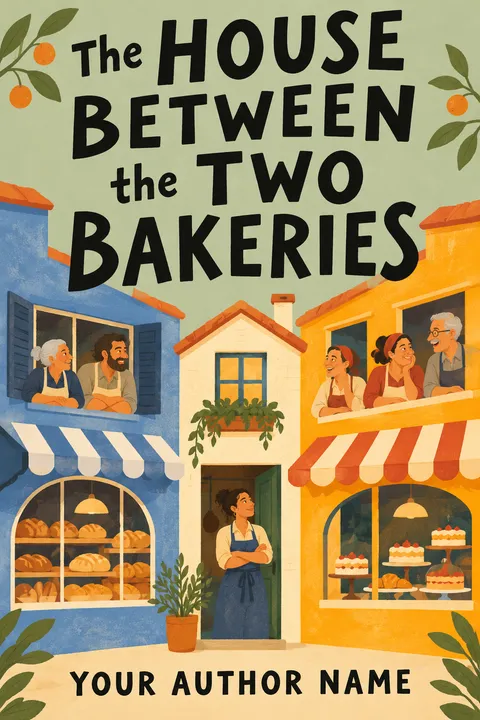
An adult caretaker inherits the narrow house between two rival family bakeries. Offering it as a shared kitchen forces three generations to distinguish the feud they enjoy telling from the work they have avoided doing.
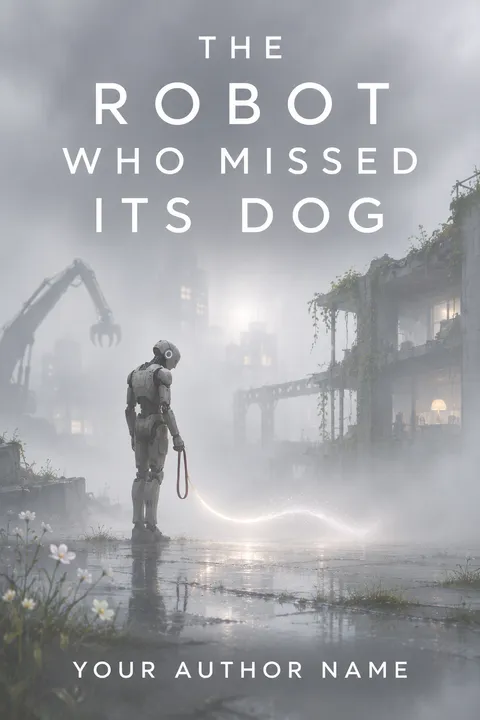
A maintenance robot begins missing a dog it has never owned. A memory auditor follows the impossible grief to a neighborhood scheduled for demolition, where abandoned machines have quietly preserved the emotional lives their human owners paid to erase.
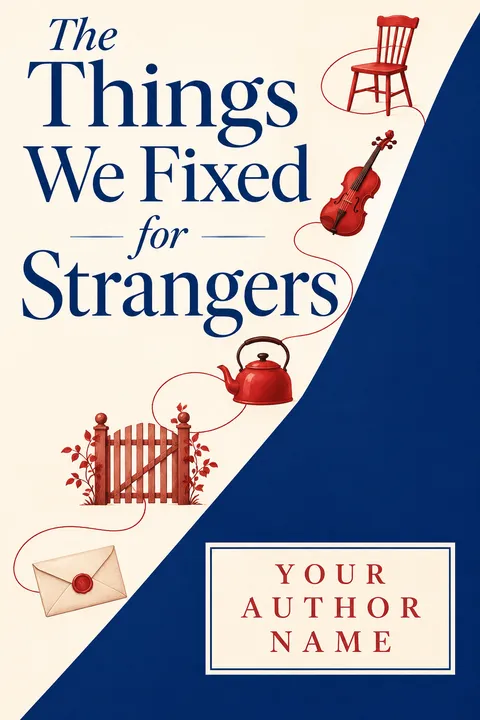
Five linked stories follow adult repair workers whose small jobs expose larger choices. A chair, a violin, a kettle, a garden gate and a broken promise connect people who will never hear the whole of one another's lives.

A wildlife radio operator receives a complaint about her father's obituary from a wolf wearing his old tracking collar. A sound engineer helps her hear an unfamiliar account of their shared past, but correcting the human record may cost her the only reassuring story she has left about her father.

Three adult siblings sorting their mother's photographs discover strangers carefully labeled as family. They invite the strangers to dinner and find each was excluded from a different home.

In 1962, a retired stunt performer attends the premiere of a film built from her most dangerous work. An old colleague asks her to help recover footage proving whose body paid for its celebrated hero.

In a town where every departure is treated as a temporary absence, a bus driver is asked to remove the return lane. A letter carrier helps her investigate the undelivered farewells keeping generations of residents suspended between loyalty and the lives they might still choose.
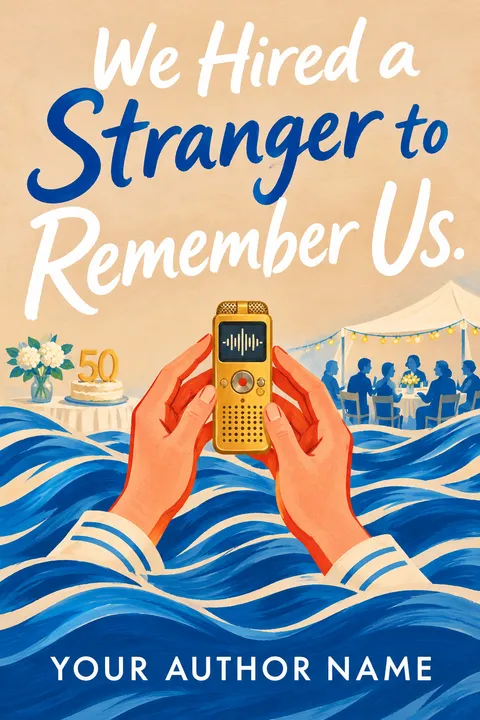
An adult oral-history interviewer is hired to record a family's fiftieth anniversary. Everyone wants a different version saved, and the quietest guest has come to return a favor nobody remembers offering.

A neural repair patient begins dreaming of a garden whose plants correspond to other people's memories. A rehabilitation botanist helps her cultivate it, while a medical company argues that the flourishing inner landscape is patented tissue and should be harvested before it becomes conscious.

In 1946, a projectionist opens her damaged cinema even when the power fails. The stories audiences tell in place of the missing films expose the futures her town is willing to imagine for some people and not others.

A hotel room begins traveling while its exhausted cleaner tries to finish a shift. The long-stay guest has been waiting decades for this journey. Together they must decide which objects to leave behind before the room reaches a place neither can return from.
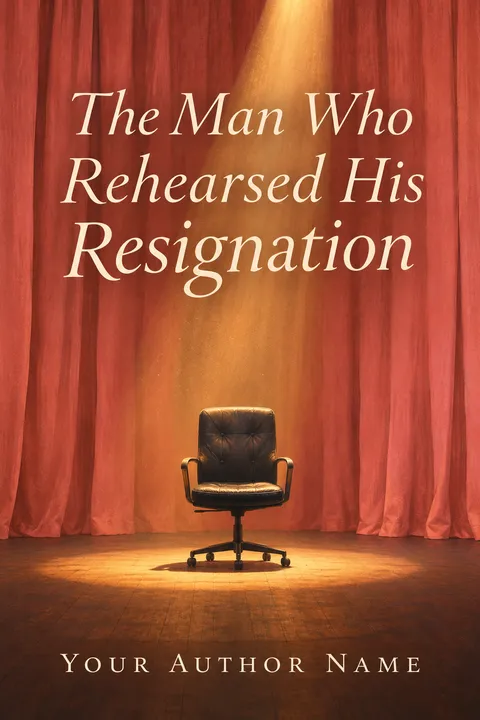
A municipal actor rehearses quitting his job for twenty years. Hired to play himself in a local history film, he finally has to say what he wants without borrowing somebody else's lines.

In 1939, an instrument repairer at a European border station begins recognizing travelers by the damage to their cases. One violin arrives without its owner and carries a request she cannot safely forward.

A traffic engineer recognizes her dead father's voice in a newly built roundabout.

A public transit machine demands an apology before reopening a station. A maintenance inspector and a retired conductor investigate the minor insult it remembers, discovering that its grievance is a precise record of the people a successful city decided were expendable.

Six linked stories follow adults during the few minutes before a kettle boils. Small choices about a call, a visitor or a door left open connect lives whose consequences unfold far beyond the kitchen.

In 1940, an English railway clerk keeps letters stranded by a canceled evacuation route. Delivering one message draws her into a network of ordinary people protecting a family the official passenger lists omitted.

A clock restorer repairs a factory timepiece that runs on leisure. The more efficiently the town works, the more its weekends vanish. Recovering them requires her to ally with the least productive man in town, whose apparently wasted afternoons hide a remarkable achievement.

An adult factory designer inherits shares in the umbrella business she left behind. Selling would fund her daughter's future, while staying would mean acknowledging the workers who kept her own choices possible.
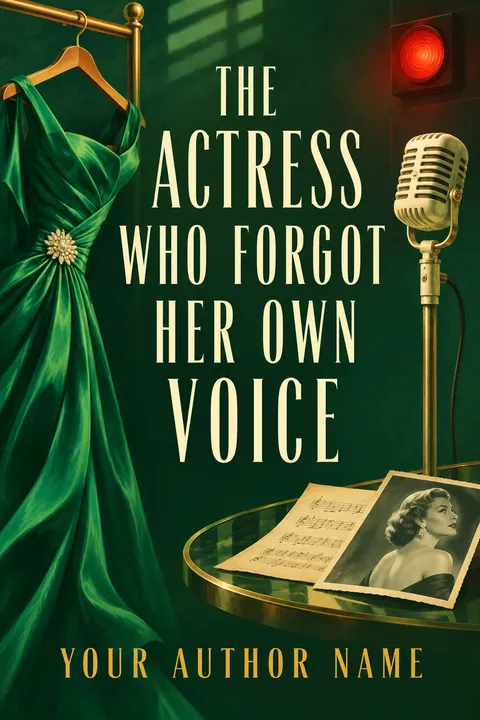
In 1958, a celebrated film actress loses the singing voice the public believes is hers. The uncredited performer asked to replace it must decide whether success means inheriting a lie or finally speaking under her own name.

A daughter helping her mother move discovers farewell gifts from men the family assumed were forgotten mistakes. Returning them becomes an argument about who gets to describe a woman's life, and why an apparently quiet future can still contain a startling choice.

A florist finds bouquets wilting in the order their recipients will experience grief. A hospice gardener helps her care for the impossible plants without turning every delivery into a warning, until a flower addressed to her begins blooming backward toward a joy she has forgotten.

A radio host collects callers' private ends of the world: a closed bakery, a lost dialect, an empty spare room. The final caller knows which ending the host has refused to tell.

A quiet commuter invents a more adventurous self for conversations with strangers. When a conductor recognizes that invented woman in a missing-person notice, she must explain a story that somehow belongs to someone else, and decide which parts of herself she has been hiding.

In 1919, a temporary library archivist catalogs speeches celebrating a peace that has not improved the lives outside her window. A veteran's unfinished address makes her question who is permitted to describe what victory cost.

Two adult siblings follow the tour their father claimed changed his life and discover he never visited most of it. The guide remembers a far smaller journey he refused to describe at home.

In a fictional town in 1932, a hotel pianist accidentally plays the anthem nobody is meant to remember. The guests' reactions force her to choose whether her work should soothe the powerful or acknowledge the people outside.
No saved stories yet. Find your first.
A literary-fiction idea does not need a small plot, but it does need a particular way of seeing. An umbrella, a collection of chairs or a piano that cannot leave a flat can create action while holding several meanings at once. Give the protagonist a practical task with a deadline: catalog an inheritance, prepare a house for sale or arrange a family meal. Then let the work expose a relationship they have simplified. Characters become more interesting when their kindness has a cost and their resentment contains some truth. Avoid arranging every conversation to deliver the same lesson. A scene should change what somebody can do, admit or refuse, even when its largest movement is quiet. Think about who controls the account of the past and which detail makes that account incomplete. The original ideas here include openings, casts and ten-beat outlines that can support an emotionally complex novel. Change the object, family arrangement or profession, then rebuild the scenes around consequences that belong to your characters.