
The Family Dog Has Started Knocking
An adult animal behaviorist returns home to find her dog knocking at doors instead of barking. The dog is trying to warn her about the patient visitor who has begun answering from inside locked rooms.
 ImagineYourBook
Establish something ordinary, introduce one precise wrong detail, and let its pattern become increasingly personal.
An adult animal behaviorist returns home to find her dog knocking at doors instead of barking. The dog is trying to warn her about the patient visitor who has begun answering from inside locked rooms.

In 1891, a seamstress is commissioned to make a mourning dress for the sea. Each fitting returns a drowned family's missing possession, including something her grandmother insisted she had burned.
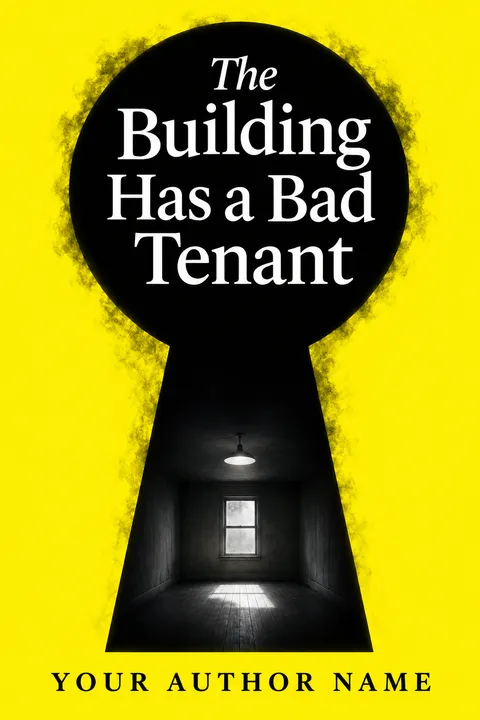
A caretaker receives rent from an apartment erased from the building plans, accompanied by complaints about the living. A housing inspector helps locate the tenant, but every attempt to enter makes the building surrender another ordinary room to something that considers people a temporary inconvenience.

In 1911, a country-house maid is paid to count the echoes in each room. When one room returns an extra voice, she recognizes the woman dismissed before she arrived.
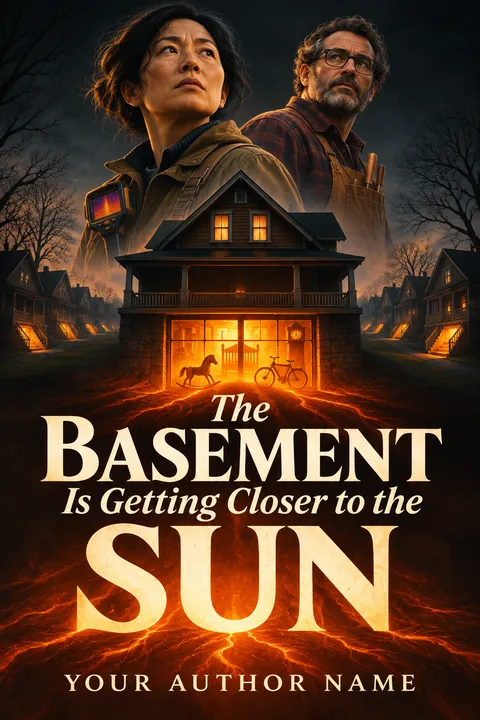
An adult heat engineer investigates a cellar warming from beneath. Its impossible light reveals familiar objects at ages they have not yet reached, and the house is beginning to invite the whole street downstairs.

Residents of a red-brick street receive an offer from the night to buy their daylight hours. A lampshade maker and a former shift planner investigate neighbors who seem delighted with the bargain, until the missing mornings begin erasing the things nobody thought to include in the price.

A tourist island grows a little larger every time visitors leave something behind. Its waste manager and a ferry engineer discover that the new shoreline is made of perfectly preserved possessions, and the island's appetite is beginning to include things people never meant to discard.

A mapmaker attending a quiet-work retreat discovers every walking path returns through a different door of the same building. A maintenance gardener helps test the changing grounds, while the organizers insist that leaving is an unhealthy distraction from becoming the person the retreat promised to create.

A stone conservator finds a chapel whose carved faces complete themselves whenever someone in the village vanishes. The next unfinished face bears the childhood scar she has never shown anyone.

A theater cleaner hears applause after every performance, even on nights the building is empty. A retired understudy recognizes the rhythm as a demand for an encore, and they must discover which forgotten act the theater expects them to repeat before it lets anyone leave.

In 1923, a boarding-house owner receives rent from the sealed attic. The lodger's references are signed by all the people who died rebuilding it.

A fire warden discovers names appearing in the ash before a remote festival. Every name belongs to someone who has promised not to attend, and the fire has begun correcting their plans.

A house sitter discovers the dining room adds a chair after every meal.
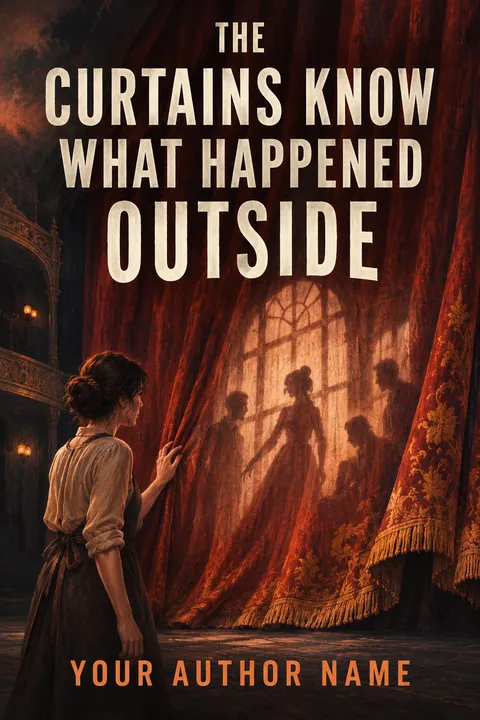
A theater textile restorer finds a set of curtains preserving shadows from a night the town refuses to discuss. Hanging them for a revival lets the shadows begin rehearsing with the living cast.

A building surveyor hears her childhood family knock from beneath a house with no crawlspace. Each reply adds a room to a floor plan she has spent her life trying to forget.

A piano restorer hears a recital in a room that measures less than an inch deep. The owner offers her a fortune to tune the instrument without ever opening the door.

A harbor inspector finds identical bite-shaped gaps in every wooden pier, although no animal could have made them. A marine carpenter notices the missing pieces form a map of developments built over an old tidal channel, and the next high water seems determined to reopen it.

A horticulturist restoring an estate's winter garden finds an orchard growing beneath the ballroom floor. Its trees bear the names of people the family insists never lived there.
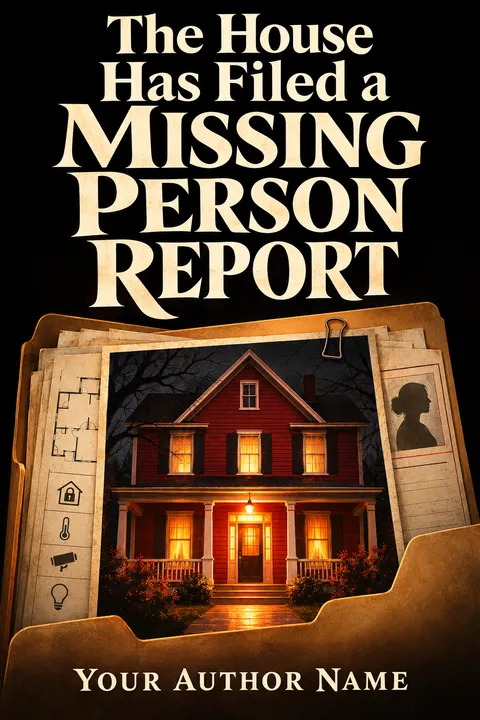
A home-systems inspector enters a house that insists its owner is missing while he stands beside her. Its records suggest the man has spent years teaching the building to recognize someone else.

An inheritance valuer discovers that every weather vane in a coastal house points toward a sealed bedroom, even indoors. The family will sell everything except the direction in which they point.

A wedding photographer notices that every mirror in a rented manor reflects an empty room next door. The guests begin following the reflections out of photographs where they still appear.
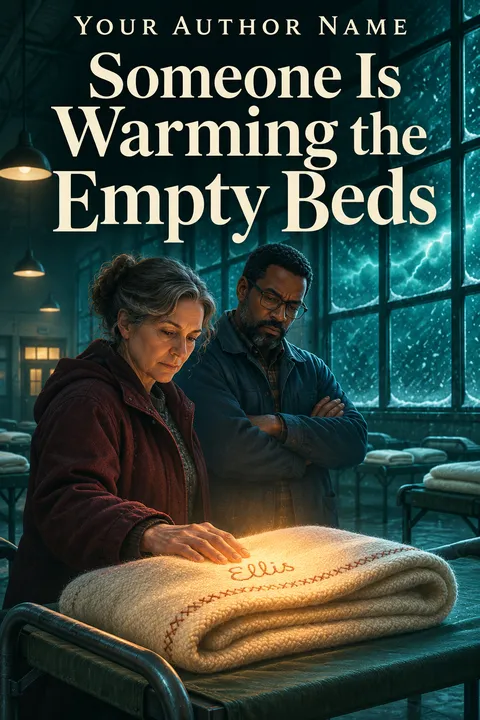
An emergency shelter's overnight manager finds every empty bed warm before a storm's first evacuees arrive. A laundry supervisor notices names stitched into blankets nobody ordered, and the two must learn whether the shelter is preparing to save its guests or refusing to let former ones go.

A nursery owner finds strange flowers blooming wherever she has swallowed an insult. A landscape ecologist helps identify plants that feed on unfinished arguments, but the garden's sudden popularity makes it harder to uproot a beautiful business built from resentment.

In 1896, a portrait painter is hired to paint a living man's funeral portrait. Every sitter she chooses as a reference disappears from the household records.

A documentary recordist follows a hiking group into rain that sounds like an applauding crowd. The sound becomes warmer whenever someone takes a dangerous risk, and the group begins mistaking approval for safety.

A costume restorer repairs a town mascot and discovers the cloth has grown on the inside. The annual parade is tomorrow, and every former wearer has forgotten where they stored their own clothes.

A scent archivist catalogs an abandoned hotel and finds one room recreating the smell of everyone who enters. When it begins preparing for a missing friend, she must decide whether recognition is an invitation or bait.

A dental technician receives dentures assembled from teeth that return to their original houses at night. One tooth keeps appearing inside the locked room where her mother vanished.

A sound engineer restoring a village choir recording hears a new breath added each night.

A lakeside resort installs a joke complaints box facing the water, then receives replies from beneath it. The activities coordinator and a retired diver follow increasingly precise demands, realizing that satisfying the lake's guests may require ending the holiday everyone came to escape into.

A museum cleaner catches a portrait swallowing the faces in visitors' photographs.

An adult gardener notices every rose turning toward a house where nobody has spoken for years. Pruning them releases fragments of an argument the neighborhood has decided was none of its business.
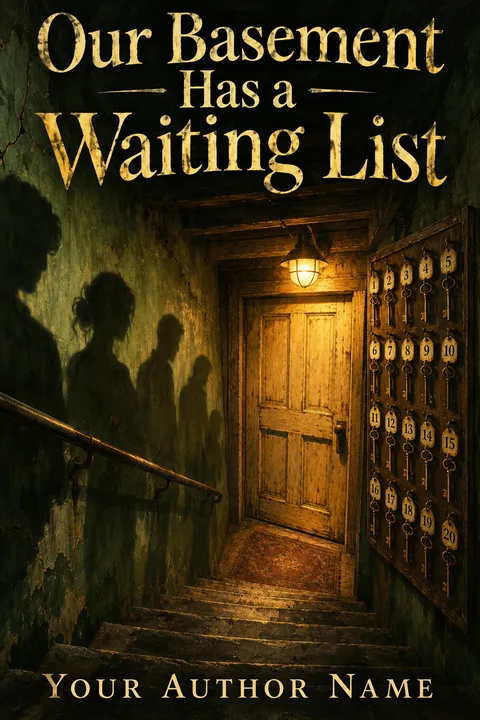
A couple renting out storage space discover a waiting list signed by people who have not been born.

A public-address installer finds a silence that grows louder through every new speaker she connects. A retired radio presenter recognizes the gaps as an abandoned broadcast, and they must stop a town from applauding a voice that becomes real only when everyone agrees to hear it.

A snowplow driver uncovers a perfectly warm front door standing alone on a closed mountain road. A utility inspector finds its meter still drawing power from houses miles away, and the pair must stop an impossible home from welcoming a town that has nowhere else to go.

At an adult workplace reunion, a decorative paper crown begins selecting the person everyone would rather overlook. A former receptionist and a lighting technician must understand its rules before the increasingly desperate guests turn a ridiculous honor into a reason to abandon one another.
No saved stories yet. Find your first.
An unsettling horror premise often starts with a rule the reader can test. Wallpaper falls in a particular shape, an object returns to one house, or a knock changes a floor plan. Establish the ordinary room and the protagonist's reason for being there before breaking its logic. A profession such as surveying, decorating or laboratory work can make the first observations credible and the later contradictions harder to dismiss. Escalation does not require graphic violence. It can mean that a pattern begins recognizing the protagonist, entering a safe place or changing something the reader has already seen. Decide which part of the threat has a human cause and which part can remain unexplained. A final revelation should deepen the personal stakes rather than erase them with a technical answer. These original starters offer casts, sample openings and ten-beat outlines. Change the recurring object, the rule governing it and the history it brings into the present to create a clean, distinctive horror story.