Imagine it.
A simple prompt becomes your complete manuscript.
Start with an idea →
Your next bookFrom first idea to next volume Fiction, romance, memoir & nonfiction
Shape the idea, characters and ending. Create your manuscript, describe the edits you want, and read or line-edit online. Download in Word and EPUB. Bring your world into the next volume. Shape the idea, characters and ending. Create your manuscript, describe the edits you want, and read or line-edit online. Download in Word and EPUB. Bring your world into the next volume. Your idea becomes a book. Edit by prompt, read online, download in Word & EPUB. Then write the next volume.
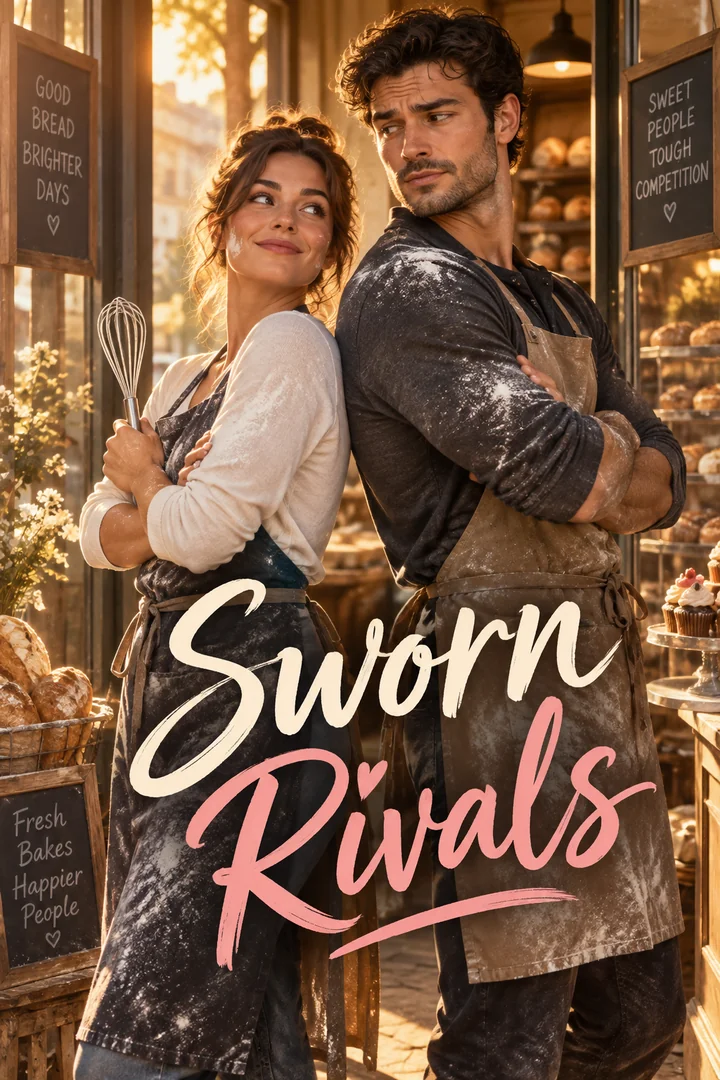
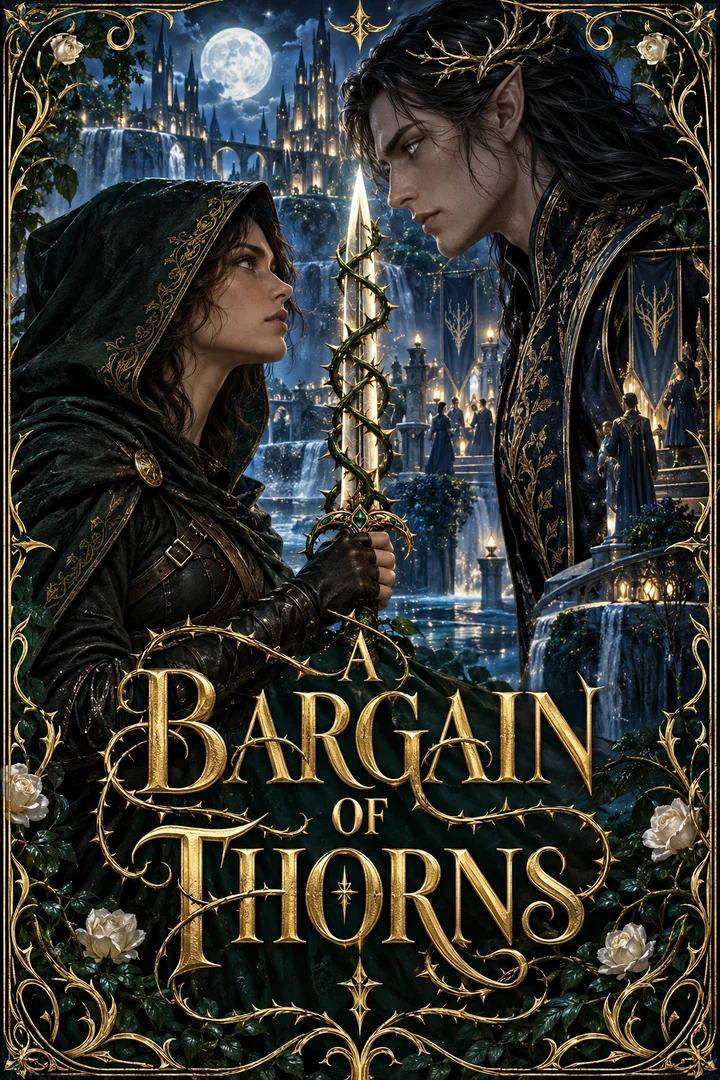
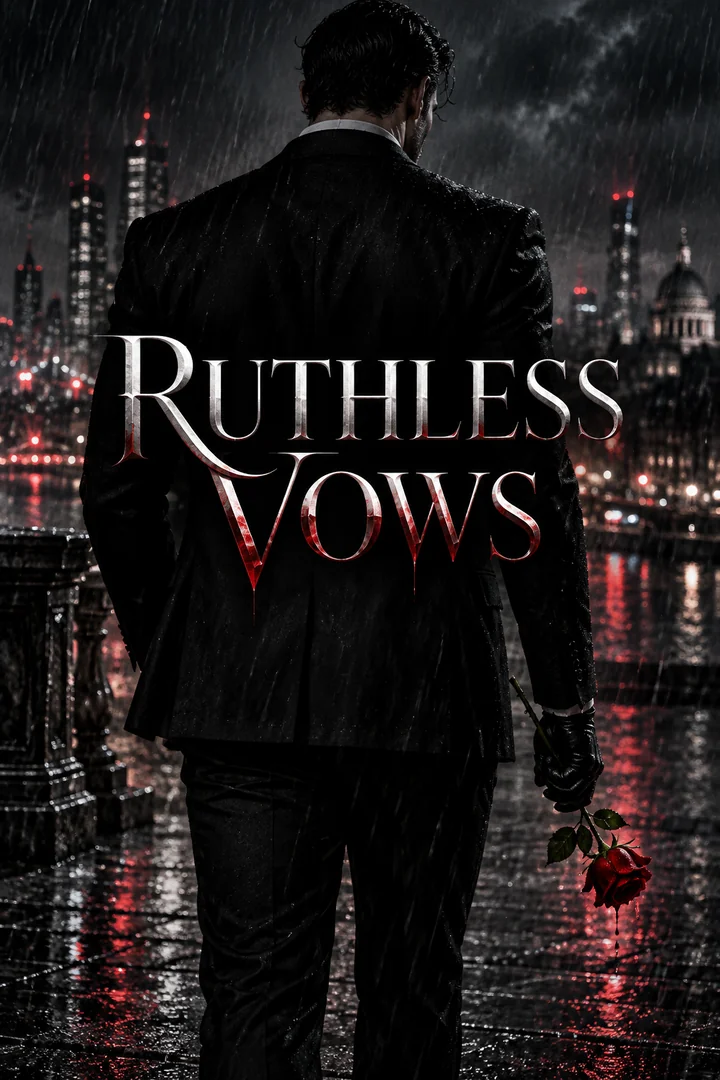
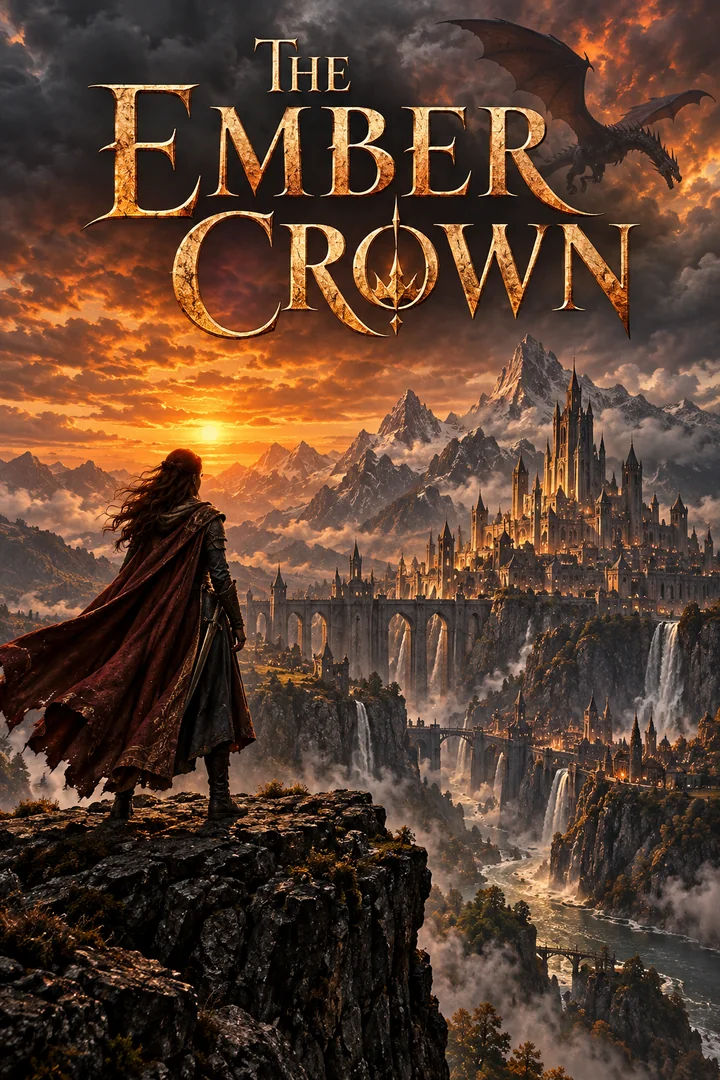
Find your next idea
Tap a cover to drop its idea into your brief, then make it unmistakably yours.
One idea. Every next step.
A simple prompt becomes your complete manuscript.
Start with an idea →“Change her name.” “Expand chapter five.” Describe the edit and keep creating.
Shape your manuscript →Read and line-edit online. Take your book with you in Word and EPUB.
Open the bookshelf →Your characters, story Bible and previous ending are ready for the next volume.
Start the next chapter →Your romance contract
You already know the exact emotional contract. He can be a billionaire without becoming a bully. She must not lose her backbone just because he enters the room. The first kiss belongs after trust, not on page three. Then set the heat, from sweet to open door, and how many spicy scenes you want.
Dr. Christian Mayer, founder
Your version might sound like this “Dual POV. No cheating. No surprise pregnancy. She initiates the first kiss. He says ‘I love you’ first. Give me a real grovel and a happy ending that feels earned.”
Two walkthroughs · AI Tool Corner

Florian WaltherCreator of Coding in Flow · AI Tool Corner
Fiction walkthrough
Follow Florian as he creates a sci-fi novel, revises his draft, and walks through publishing on Amazon KDP.
Full fiction walkthrough ↗ · 15:06
Nonfiction walkthrough
Watch Florian turn his fitness notes into a book and check the manuscript against his original ideas.
Full nonfiction walkthrough ↗ · 21:53
The videos show the offers and interface available when recorded. Book length, rewriting, and series access depend on your plan. See current trial terms.
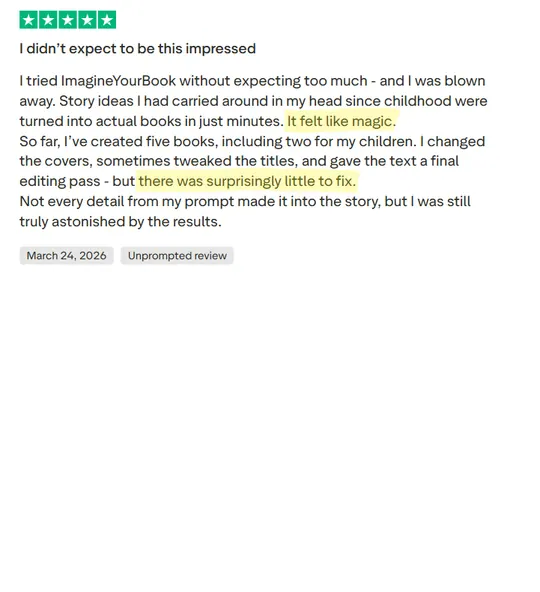
Start with my own idea →I researched every single book writing platform out there. You are on Facebook, Instagram, YouTube, you have full contact info, you replied to me as a person, and you are the real deal.
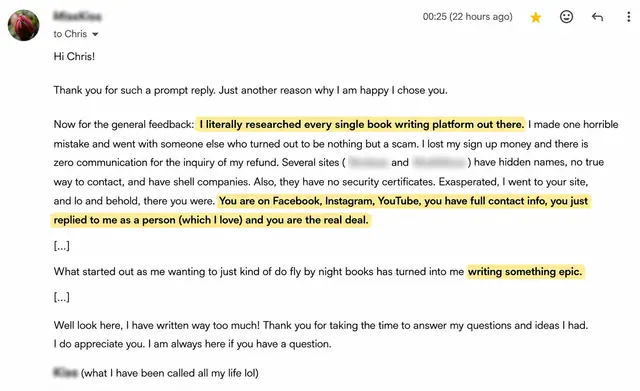 See the email on the Proof Wall →
How it works
Begin with one sentence or bring your complete outline. Either way, your choices travel with the whole book.
Give it one idea, your favorite tropes, or a full chapter outline. Name the POV, the slow burn, the heat level, your dealbreakers and the ending you want guaranteed. Your brief is saved through signup.
Create your account and confirm your email. Your idea is already saved, so you pick up right where you left off.
Most 10k-word Small Books finish in about 10 minutes. Watch the complete manuscript take shape, chapter by chapter.
![Email excerpt from Mark P.: Honestly I think the service is great and I was enjoying using it. [...] I recall there was a few different options but yours seemed the most user friendly / simple. [...] Anyway again, great service and I plan to re-subscribe when I have time to use it.](/assets/testimonials/mark-p-email-excerpt.webp)
What you can make
Slow burn that earns the payoff. A morally grey hero who stays grey. A fae court whose rules hold for three books. Or a mystery, a thriller, a memoir: whatever you love to read. Each arrives as a complete book with a cover, ready for your Kindle.
Whatever formula you used to come up with a design for my book was spectacular and really pulled from the premise of the book.
Series & sequels
Carry your characters, canon, voice, and every open thread into the next volume. Your series stays yours; Lyra keeps the continuity close.
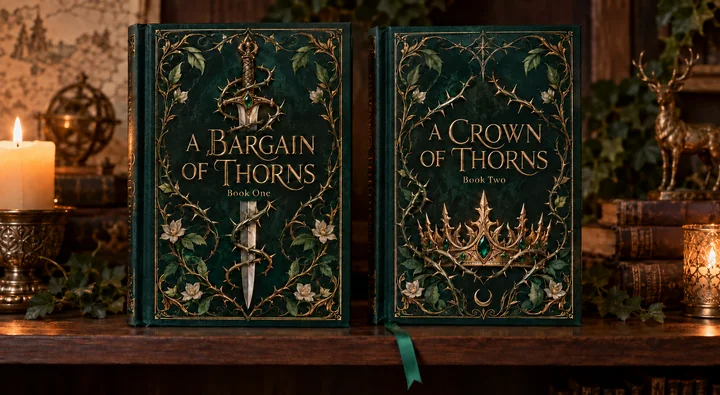
When a book finishes, its story bible can preserve characters, arcs, world rules, open plot threads, and invented terms for the next volume.
Each new volume starts with the series canon and the previous book’s ending, so the next draft remembers how the last one felt.
Turn a completed book into book one, then brief the next volume with new stakes, notes, or reader promises while keeping the same world memory.
New · Manuscript Rewrite
Already have book text? Upload a Word, Markdown, text, or HTML manuscript of 1,000–200,000 words and tell Lyra what should change. For an idea, outline, or brief of up to 20,000 words, choose New Book. Add a missing chapter, modernize old material, shift the voice or audience, localize the book, or create a shorter or expanded edition—without rebuilding everything from scratch.
“Keep my voice, update the old examples, and add a practical chapter before the afterword.”
Add, remove, move, merge, split, or replace chapters. Lyra maps the source first so a requested addition does not silently replace existing material.
Ask Lyra to leave selected chapters untouched while revising the rest. Original formatting such as headings, emphasis, lists, and tables carries through the workflow.
Keep the source length or enter any finished target from 1,000 to 200,000 words. Rewrite credits scale with the requested output, not the uploaded file size.
Real opening lines
The first lines of two romances from our public gallery, each written from a single prompt. Not edited, not cherry-picked sentences from the middle.
By the time Nadia Reyes reached the Aspen Lodge, the snow had erased the driveway, the parking lot, and most of her patience. Her rental SUV sat at an angle beneath a drift.
Her voice, from line one
Prompt: a witty, dialogue-rich enemies-to-lovers romance about rival architects trapped for five days in a snowbound lodge with one room and one bed.
Rain turned the private terminal windows into sheets of mercury, swallowing the lights of Le Bourget one by one. Beyond the glass, the runway gleamed black and empty.
Cinematic, not generic
Prompt: a slow-burn romance rich in dialogue between a Manhattan tech billionaire and a famous K-pop star, much of it aboard their private jet.
Book gallery
No Chapter One teaser. Open any cover to read the complete PDF, including books now selling on Amazon.
If you publish, too
Most people write to read. Some also publish under a pen name, with the KDP listing kit and print covers built in. Real, anonymized results; they vary, and these are examples, not promises.
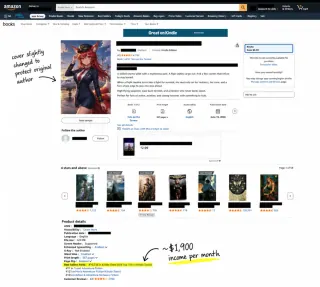
Kindle Store rank
The published proof shows roughly $1,900 in monthly income at the time captured.
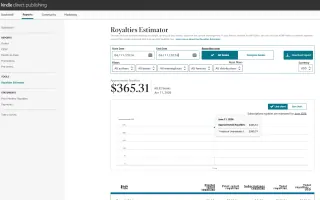
KDP royalties
An anonymized KDP dashboard from a self-help title drafted on ImagineYourBook.
ImagineYourBook on YouTube
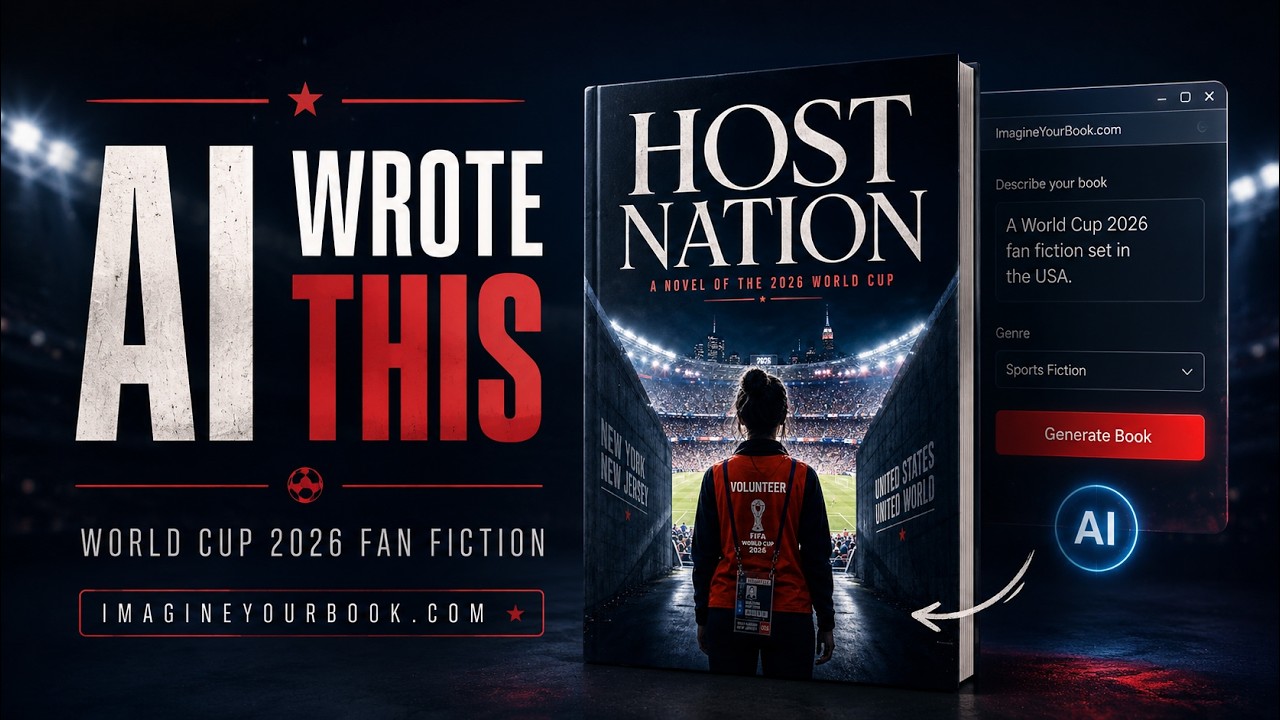
Watch complete ideas become romances, fiction, personalized gifts and printed books.
Choose your direction
Start with the tropes you love, or browse thrillers, keepsakes, learning and nonfiction. Tap one, make it unmistakably yours, and watch the first pages take shape.
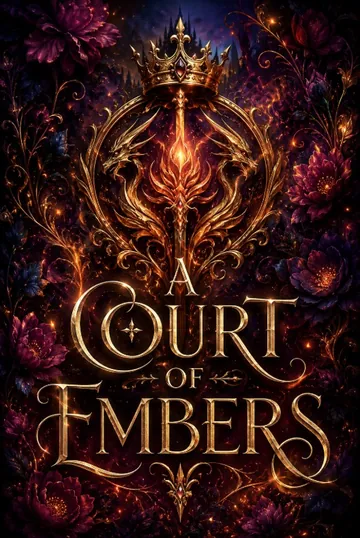
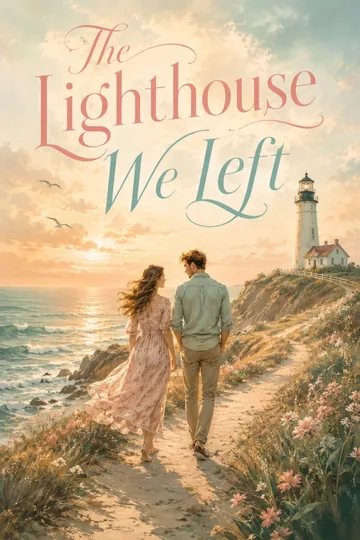
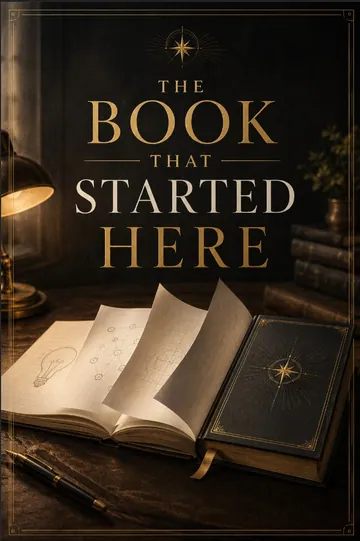
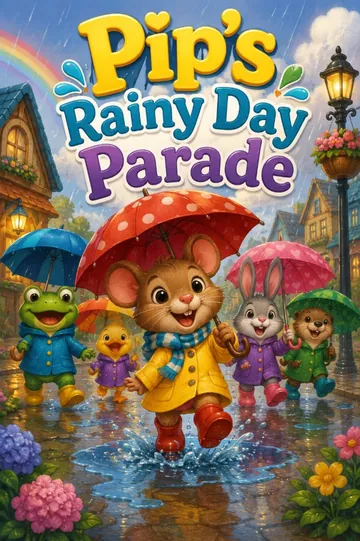

Meet Lyra. Built for complete books.
We evaluate premium AI models and update our engines as better options prove themselves in book writing. Your characters, structure, voice, and creative direction guide the work.
High reasoning for planning and every chapter. One engine carries your book from its initial structure through the complete draft.
Choose our existing premium route for your next book. Available alongside Lyra on every plan, with the same complete-book workflow.
You choose the direction. We keep developing the engine behind it. Technical model details are in the FAQ.
The whole book journey
Create it. Shape it. Read it. Continue it.
| Your book workflow | ImagineYourBookThe complete journey | Sudowrite | Novelcrafter | AIWriteBook | ChatGPT | Claude |
|---|---|---|---|---|---|---|
| One brief → complete manuscript | ✓ | Chapter workflow | Scene workflow | Chapter workflow | Chat workflow | Document workflow |
| Book-wide edits by instruction | ✓ | Scene & chapter edits | Editor & prompts | Editorial workflow | ✓ | ✓ |
| Reusable book & series context | ✓ | ✓ | ✓ | ✓ | ✓ | ✓ |
| Built-in EPUB book export | ✓ | × | × | ✓ | Custom file workflow | Custom file workflow |
| Book cover + paperback wrap | ✓ | × | × | ✓ | Custom design | × |
| Read & edit in your browser | ✓ | ✓ | ✓ | ✓ | ✓ | ✓ |
| AI included · no separate API bill | ✓ | ✓ | × | ✓ | ✓ | ✓ |
Make room for your next book
What you get, what it costs, and what still belongs to you.
You pay $0 today and get one 10,000-word Small Book. The first $29.99 monthly charge happens after 7 days. Cancel anytime before day 8 and pay nothing.
Yes. A $0 card check starts the trial. Nothing is charged today; cancel anytime before day 8 and pay nothing.
Yes. Use Manuscript Rewrite and describe the result you want: rename a character, expand a chapter, change the tone or create a longer edition. Your original stays available.
Yes. Open your book in the online viewer and use its line-editing tools. For bigger changes, describe them in Manuscript Rewrite.
Most people write romance and romantasy series. You can also make fantasy, thrillers, mysteries, memoirs, practical guides, family storybooks and other structured books from your prompt, notes, or outline. Books are text with a designed cover; there are no illustrations inside.
Yes. Choose Kindle on your book's page. On a phone, pick the Kindle app in the share sheet. On a computer, we save the EPUB and open Amazon's Send to Kindle page, so it lands in your Kindle library in a few minutes. EPUB also works in Apple Books and Kobo.
You set two dials. Heat: sweet and closed-door, fade to black, or open door, where intimacy stays on the page, written with feeling rather than graphic detail. Spicy scenes: one, a couple or a few. Fully explicit scenes are currently not available. Your tropes, boundaries and dealbreakers carry through every chapter. Characters in intimate scenes are always adults, and books with open-door scenes are for readers 18+.
No. Start with a rough idea, a favorite trope, or the story you have been carrying around. You can add as much direction as you like.
Generation time depends on your chosen target book size:
Choose New Book to write a new book from an idea, outline, research notes, or detailed brief. Choose Manuscript Rewrite to edit existing book text: polish, translate, shorten, expand, or change selected chapters. Both use our writing engine, but Rewrite preserves the source content and structure unless you request changes. The same document can therefore produce different results in the two modes.
New Book accepts up to 20,000 words total across your typed prompt and attached document. Manuscript Rewrite accepts an existing manuscript of 1,000–200,000 words, with up to 64 source sections and 3 MB of extracted text; describe the changes separately in the instruction box (up to 20,000 words). Both support Word (.docx), text, Markdown, and HTML. Word uploads can be up to 20 MB; other New Book attachments can be up to 1 MB. These are input limits, separate from your chosen finished book length.
Yes. Use the document attachment in New Book for a long brief, outline, character descriptions, or research notes. A 15,000-word Word document fits within the 20,000-word combined input limit, leaving room for additional typed direction. Use Manuscript Rewrite when the uploaded text is existing book content you want edited. Rewrite treats the upload as source material, so put editing instructions in the separate instruction box.
Both engines are available on every plan and the free trial, selectable per book. Lyra is the default and uses standard credits, with high reasoning for planning and every chapter. Lyra Max keeps our alternative premium engine at 3x credits. We evaluate premium models and update the engines as better options prove themselves in book writing.
Lyra currently uses OpenAI GPT-6.1 Sol with high reasoning for core planning and chapter writing. Lyra Max uses GPT-6 Astra, with high reasoning for planning and the opening chapter and medium reasoning for later chapters, at 3x credits. Short formatting tasks, safety checks, and cover images use settings and models suited to their jobs. Existing books retain their original engine configuration.
Yes. Upload a Word, Markdown, text, or HTML manuscript and describe what should change. Lyra can add or replace chapters, update old facts and examples, change the voice or audience, localize the book, or create a shorter or expanded edition while leaving your original source untouched.
Yes. Paid plans include a monthly bonus gift of cover recreations: 4 on Author, scaling with each higher plan, without spending book credits. You can spend several on one book, switch among the retained versions, and download whichever cover is currently selected. Only successful recreations count.
Yes. Paste samples of your writing and add specific direction for tone, pacing, vocabulary, POV, and words to avoid. You can ask for combinations writers actually use, such as “dark but tender,” “gritty but soft,” or “cozy but suspenseful.” ImagineYourBook carries those guidelines across the manuscript.
Generally yes. We have tested English and German most, and major languages should generally work as well, though results can vary by language and topic.
Yes. ImagineYourBook is built to expand a single idea or prompt into a structured, full-length book draft — chapters, flow, and a cover — that you can then read, edit, and publish.
Yes. Instead of chatting paragraph by paragraph, ImagineYourBook plans the whole book, writes it chapter by chapter for continuity, designs a cover, and hands you a finished book as both a Word file and an EPUB — ready to edit, read on any e-reader, or publish.
Yes. You keep the rights to what you generate.
Yes. Commercial use is allowed, including selling books, as long as you do your own final review.
Yes. You own what you generate and can self-publish on Amazon KDP or elsewhere. Use the Word manuscript (or the EPUB edition) and JPG cover, and do your own final review before publishing.
Yes. Mark a book as part of a series and every next volume starts from continuity context compiled from the books before it: characters, world rules, open plot threads, invented terms, and the final scenes of the previous book so the voice carries over.
Because you get to stay in the world you love: the same characters, their history and the thread you left open, picked up exactly where Book One ended. If you publish, a series also gives readers a next book to buy when they already trust the characters, so sales repeat instead of starting from zero.
Yes. Many people use it to create personalized book gifts — a proposal book, anniversary keepsake, family storybook, or birthday surprise — built from your own names, memories, and details.
Yes, as text: gentle, age-appropriate stories to read aloud, built from your child's names and details. Books are text-only, so there are no picture-book illustrations.
$0 today for one included 10k-word Small Book. The first charge happens after 7 days. Cancel anytime before day 8.

About $7.50 per 10k-word Small Book on Author. Cancel anytime in secure billing.