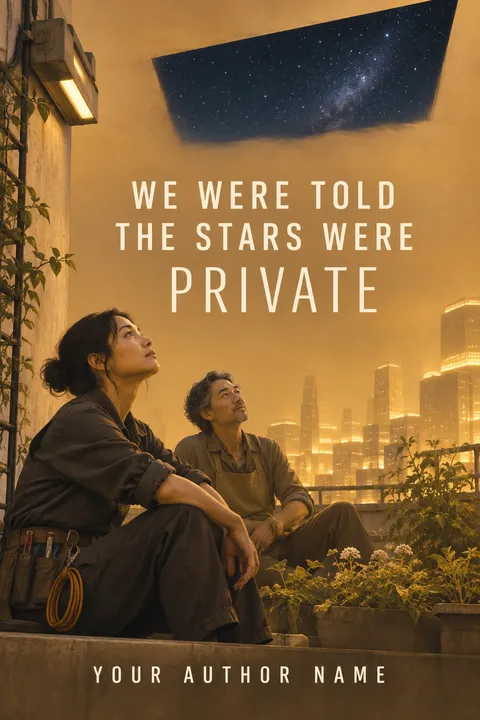
We Were Told the Stars Were Private
An adult lighting technician finds a patch of sky omitted from the city's premium night service. Sharing it becomes an argument over who can own a view and whether access to wonder should require an account.
 ImagineYourBook
Make one ordinary need depend on a rule that reveals who has power and who pays for it.
An adult lighting technician finds a patch of sky omitted from the city's premium night service. Sharing it becomes an argument over who can own a view and whether access to wonder should require an account.
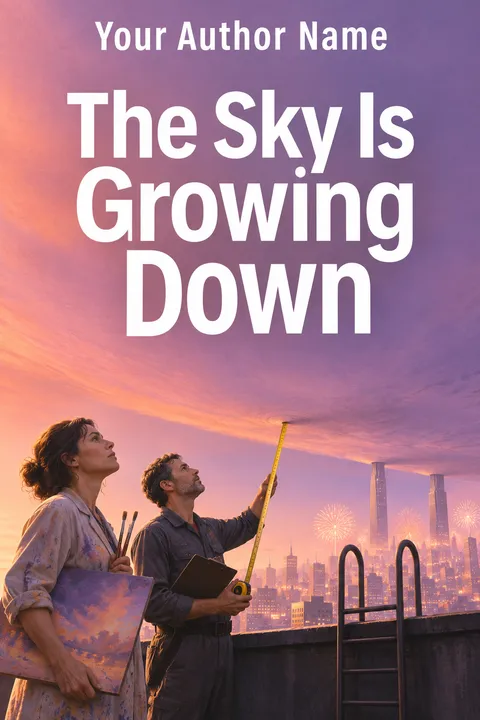
A weather painter notices the horizon has fallen three centimeters since yesterday. An elevator inspector helps her measure the shrinking sky, while a city celebrates the improved view and refuses to acknowledge that its tallest buildings have begun entering something solid.
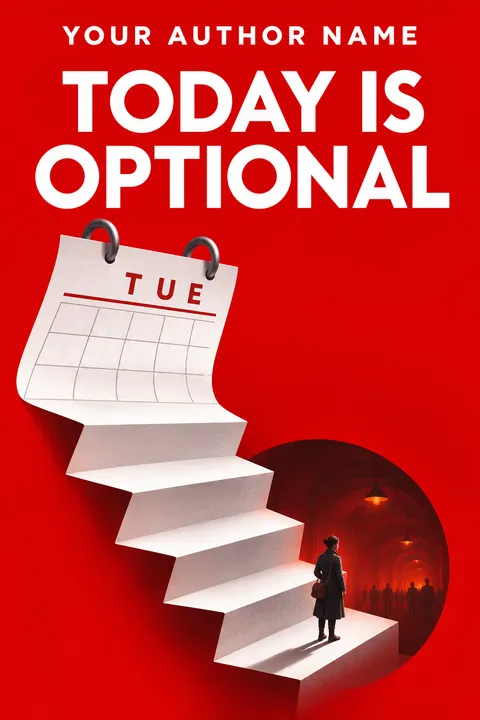
A city lets residents skip difficult days. A calendar repairer discovers the discarded hours are accumulating beneath the streets, inhabited by everyone the city was too uncomfortable to remember. She must enter an unwanted Tuesday before it becomes tomorrow.

After a city bans animals to achieve perfect cleanliness, a sanitation inspector finds one elderly dog. A former bus driver helps her shelter it in a disused waiting room, where a growing circle of strangers discovers the one activity their efficiency system cannot value: keeping an ordinary creature company.

A bicycle courier loses her rented strength skill in the middle of a mountain delivery. Learning to progress without subscriptions exposes a city where every impressive ability belongs to somebody else, and the most dangerous upgrade is keeping what you earn.
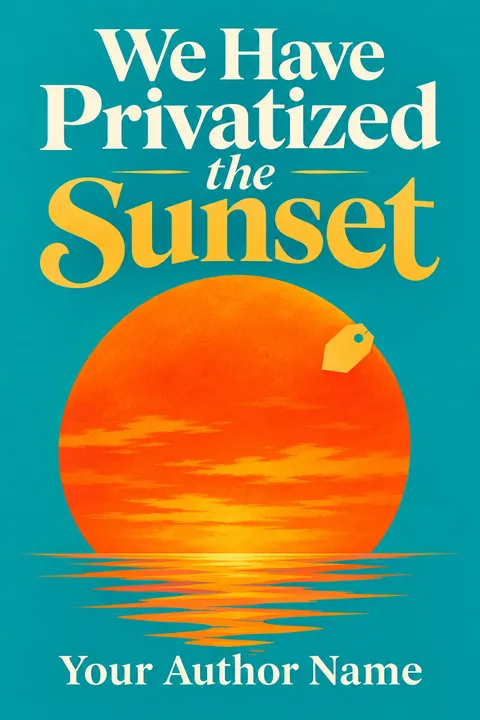
A municipal photographer discovers that a company has bought the right to photograph sunset. She organizes a spectacularly inconvenient sunrise instead.
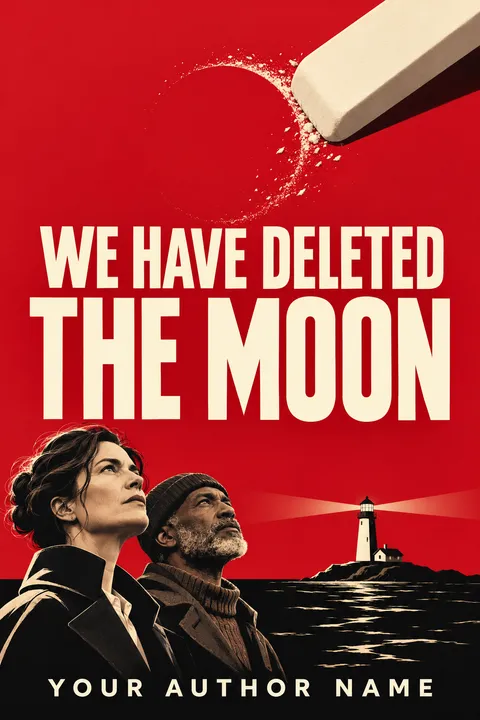
A municipal editor removes the moon from a public astronomy archive as a minor correction. It disappears from the sky. To restore it, she needs a lighthouse keeper who remembers a different moon and refuses to approve the city's preferred replacement.
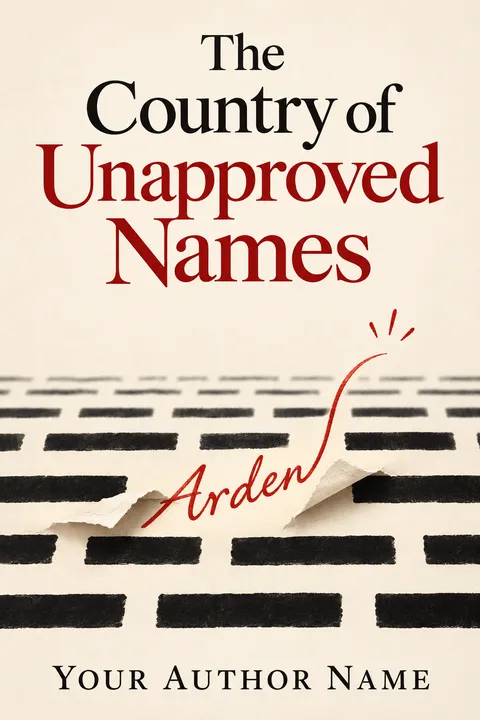
A naming officer gives a newborn an illegal name as a clerical favor. By morning, everyone with that name has become invisible to the state.

A pigment conservator discovers a new color that makes viewers remember an ocean humanity has never visited. A marine biologist helps her trace its origin, while the city moves to classify the color as a contagious species with no right to enter human vision.
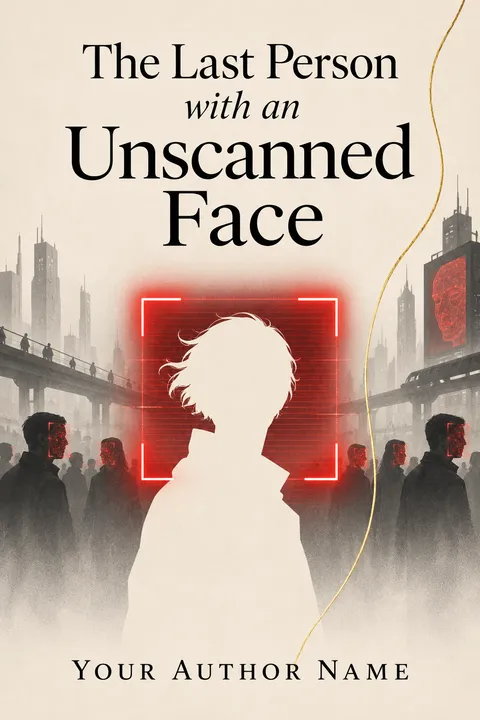
A portrait artist is hired to draw a woman the city's scanners cannot register. Each finished portrait gives the woman a legal right and gives the authorities a better way to find her.

A top-ranked queen abandons the world's competitive strategy game after realizing every reset restores conquered towns but not their memories. Surviving outside the leaderboard means building a party that can progress without making somebody else's defeat its only measure of success.
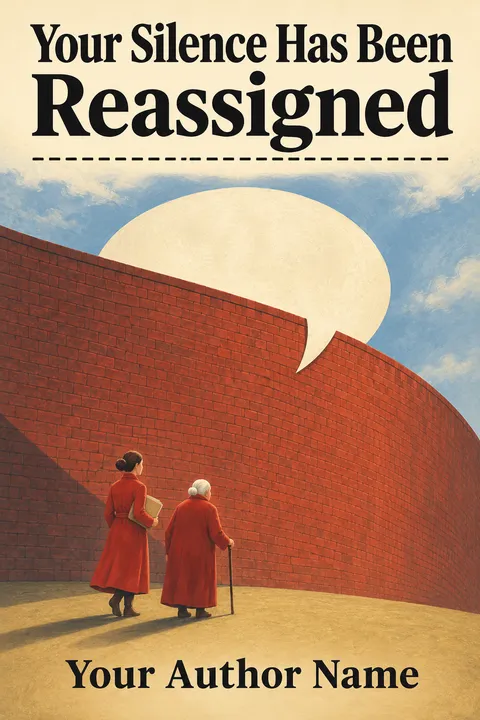
A public transcript editor discovers citizens' unused speaking time is being sold to political sponsors. Restoring an elderly neighbor's voice means challenging a system that has learned to call coercion representation.
A designer creates a synthetic citizen who satisfies every public preference. When the model disappears, its human movement coach finds a trail of deliberately disappointing choices. Solving the mystery means proving that a person is allowed to become less convenient.
An adult ceremonial tailor discovers the government has begun rationing farewells as a resource. Making a coat for a stranger's last departure reveals the people whose losses have never been counted.
In a city where every level grants power but removes a memory, a champion deliberately resets to zero. A statistician helps her find a progression path that rewards remembering, while the leaderboard insists her forgotten victories belong to someone else.
A public mind-reader discovers one woman whose thoughts cannot be taxed.
A festival electrician learns the city's final shared day off has been sold as a premium event. Keeping a neighborhood celebration alive becomes an argument over whether time together can belong to anyone.

A night-shift nurse discovers that subscription beds are stealing sleep from people who cannot afford them. Staying awake becomes the only way to keep a patient alive.
A careers adviser discovers her own future has been leased to a company that has never employed her. Every opportunity she declines is quietly removed from someone else's life.
A municipal engineer learns the city converts unsolicited advice into electricity. A district of newly quiet residents is accused of sabotaging the grid, and she is ordered to make them speak.
A nightclub doorman discovers the government is admitting citizens to tomorrow according to what they can pay. He starts letting people through the kitchen.
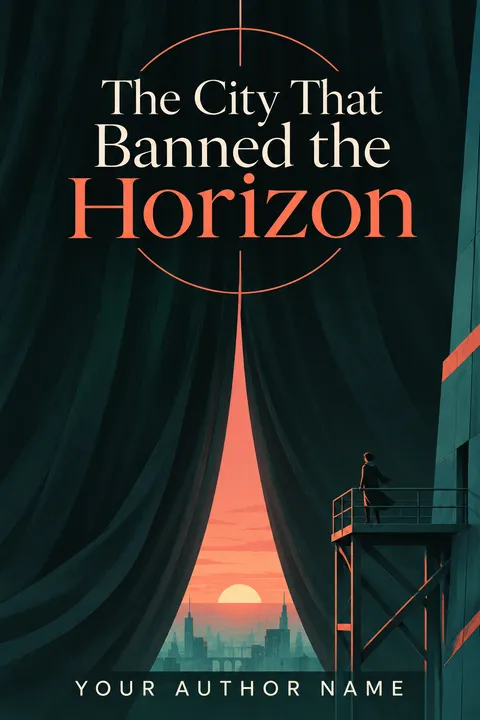
A scaffold builder is hired to cover the final strip of open sky in a vertical city. Beyond the screen she finds people who have never learned the word outside.
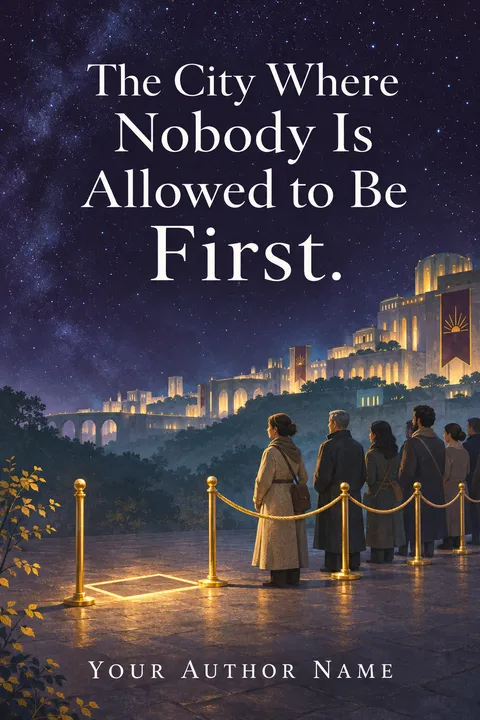
A safety evaluator lives in a city that requires every action to have an approved precedent. When an unexplained illness demands a new response, she discovers who has been quietly taking the risks that make everyone else seem safe.
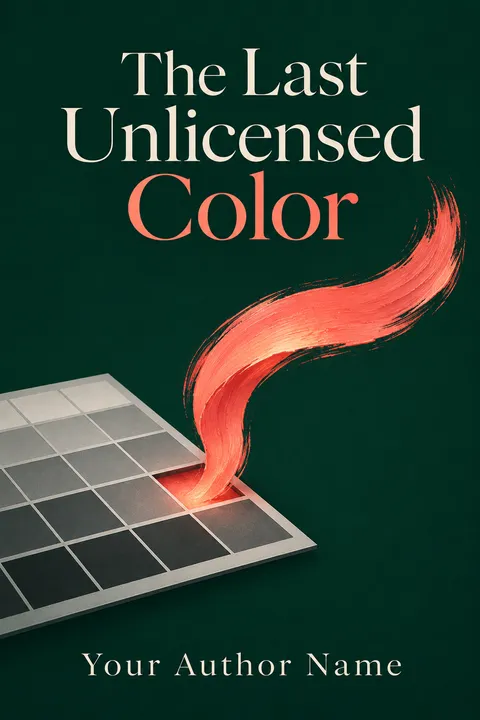
A restoration painter finds a shade that cannot be scanned by the city's color registry. Hiding it could protect a neighborhood whose homes are about to become legally invisible.
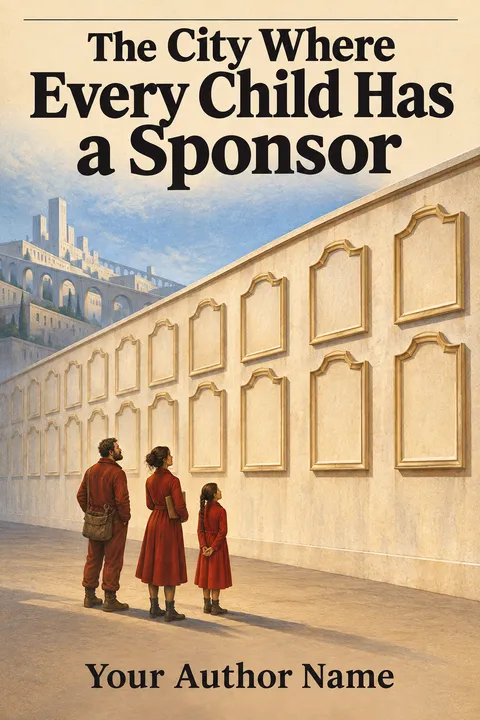
An adult teacher learns that her city's sponsors now own the future career choices of the children they support. Protecting a pupil's ordinary wish to change her mind exposes how gratitude has replaced permission.
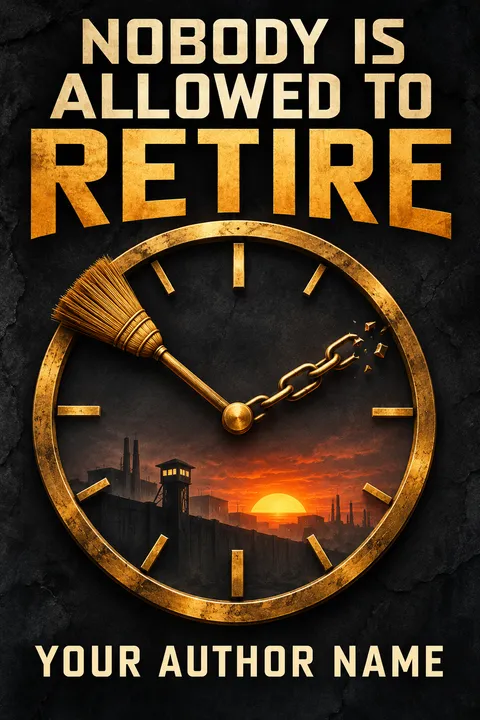
In a city where jobs are inherited, a sanitation worker turns sixty and refuses to pass her position to her daughter.
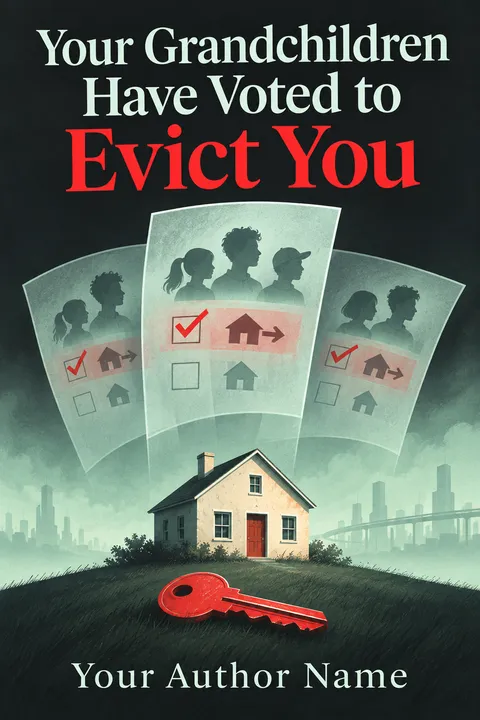
A housing mediator receives an eviction notice signed by descendants who do not yet exist. Challenging it means exposing who has been selling votes in the name of the unborn.
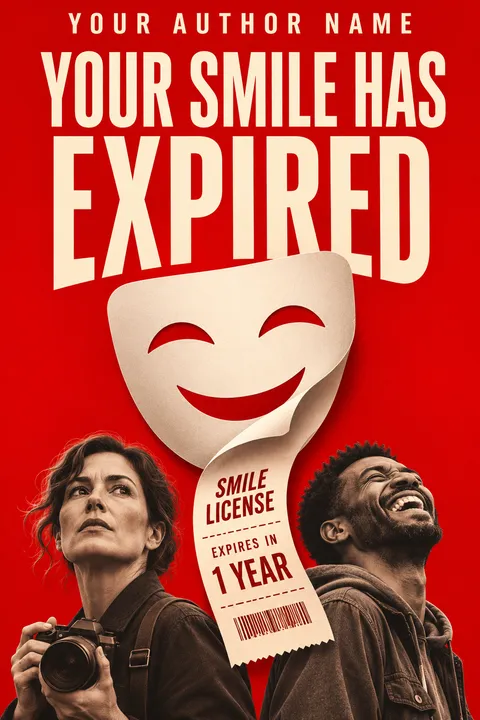
A public photographer discovers citizens' licensed smiles expire after one year. When a stranger laughs without renewing, she photographs an expression the government cannot categorize, then must decide whether making it famous would save him or give the authorities his face.
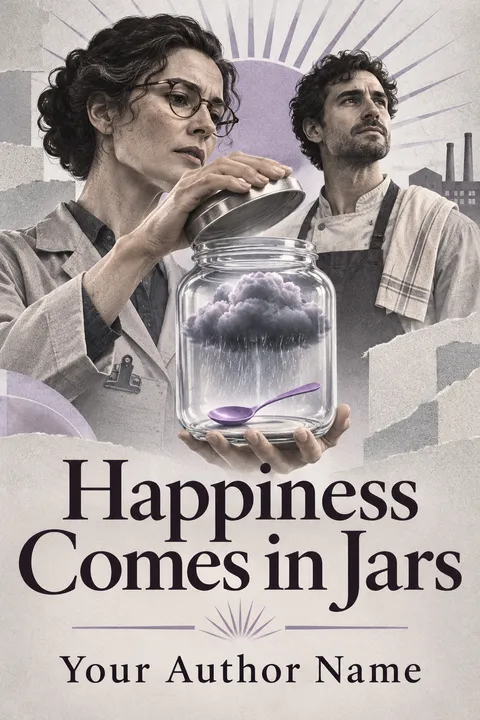
A factory quality inspector opens a jar of manufactured happiness and finds someone else's grief inside. Tracking the mislabeled batch leads her to a cook who believes the world's sadness has been stolen, and that people might want it back.
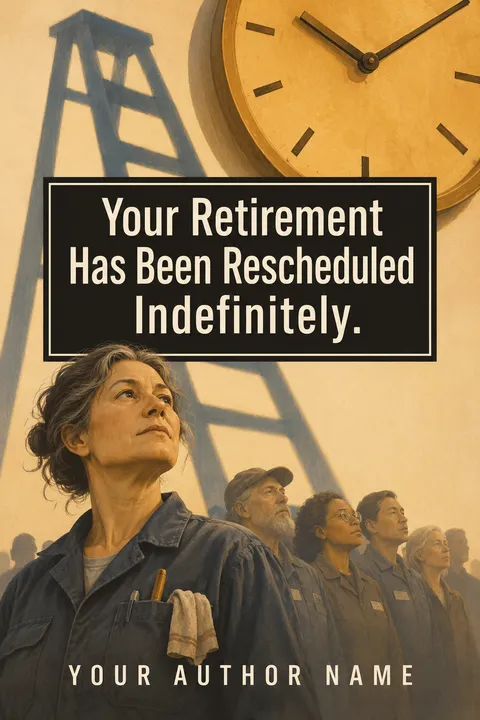
An adult maintenance worker reaches retirement age and finds the city has sold her remaining rest years. An appeal brings her together with people whose lives are being extended on paper solely to keep them employed.
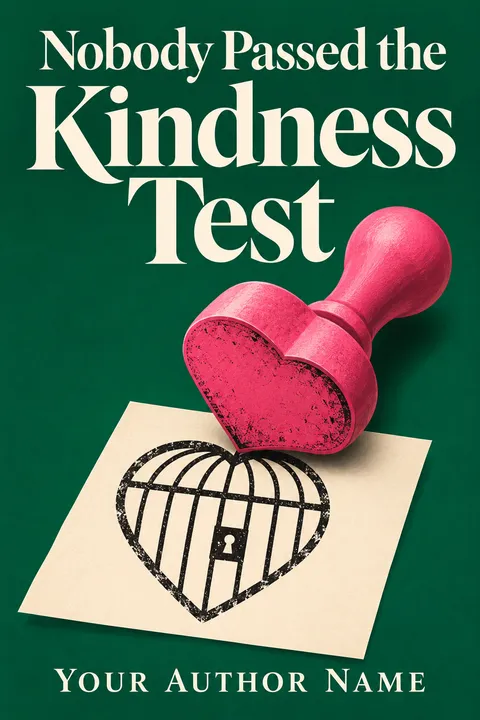
A city allocates housing by recorded acts of kindness. A cleaner discovers the test rewards people who manufacture emergencies and begins helping without being seen.
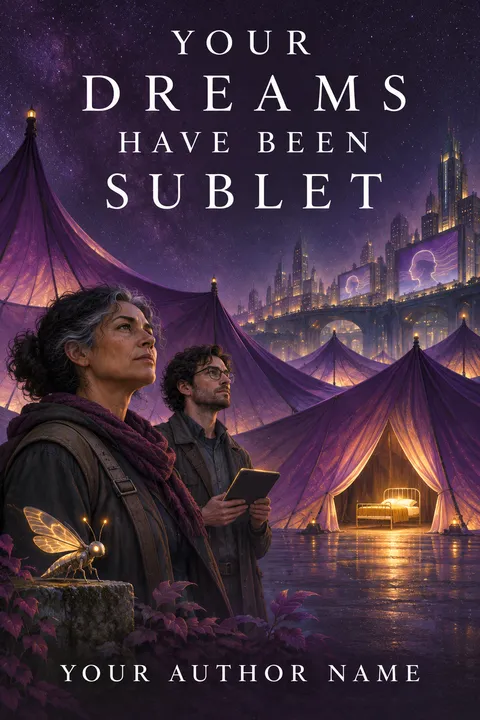
An adult night worker discovers that her sleeping hours are being rented to wealthy people who want more time to think. Recovering her dreams means confronting a city that calls unconscious labor a voluntary benefit.
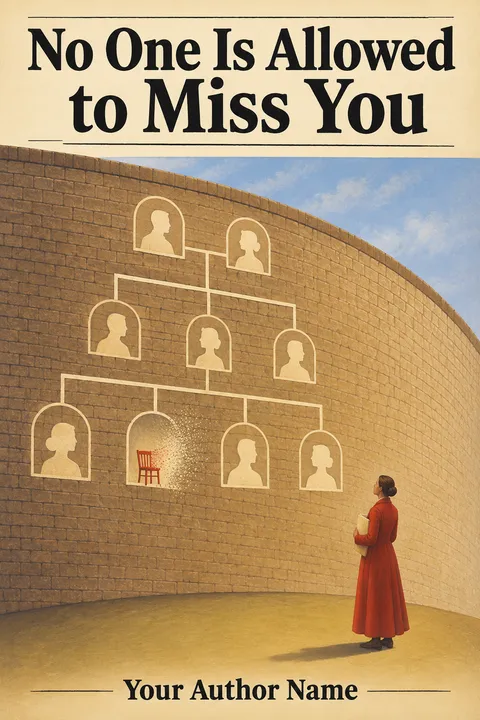
A municipal grief registrar removes unproductive attachments from citizens' records. When her own sister is declared unnecessary to remember, she must preserve a relationship without turning private love into public evidence.
A memory archivist loses access to her childhood when her subscription expires. Her estranged brother offers his memories of her, but he remembers a different sister.
A debt negotiator loses her name after missing a payment. When someone buys it at auction, the buyer begins inheriting the consequences of her old promises.
In a city where every thought must fit a public timetable, a traffic planner experiences eleven unapproved seconds and uses them to hide a stranger.
No saved stories yet. Find your first.
A dystopian idea becomes frightening when readers can picture a normal day inside it. Start with a necessary activity such as sleeping, finding housing, using a name or crossing a street. Design one rule that makes that activity unequal, then identify who benefits and how the protagonist has learned to comply. A convincing system offers something useful as well as causing harm. That benefit explains why people defend it, tolerate it or fear changing it. Show the first contradiction through work, a household routine or an appeal form before explaining the whole political structure. Give resistance material costs and let different people disagree about the remedy. Avoid solving a social problem with one unexplained technical trick. The strongest final choice changes a relationship of power the story has made concrete, while leaving the wider future open to argument. These original starters include openings and ten-beat outlines. Change the controlled resource, the apparent benefit and the protagonist's former role in the system to develop your own dystopian novel.