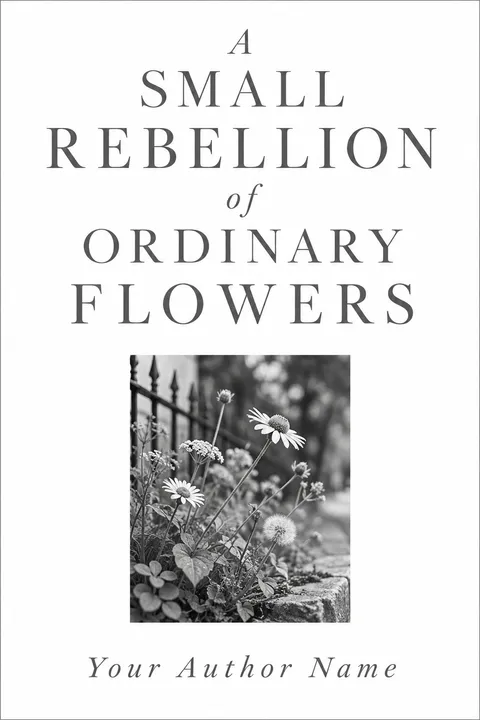
A Small Rebellion of Ordinary Flowers
An original poetry sequence follows adults tending small public gardens that refuse to look impressive. Flowers, weeds and neighbors complicate the wish to make every ordinary life prove its worth.
 ImagineYourBook
Choose an image, place or practice that can hold different emotions without making every poem repeat the same conclusion.
An original poetry sequence follows adults tending small public gardens that refuse to look impressive. Flowers, weeds and neighbors complicate the wish to make every ordinary life prove its worth.
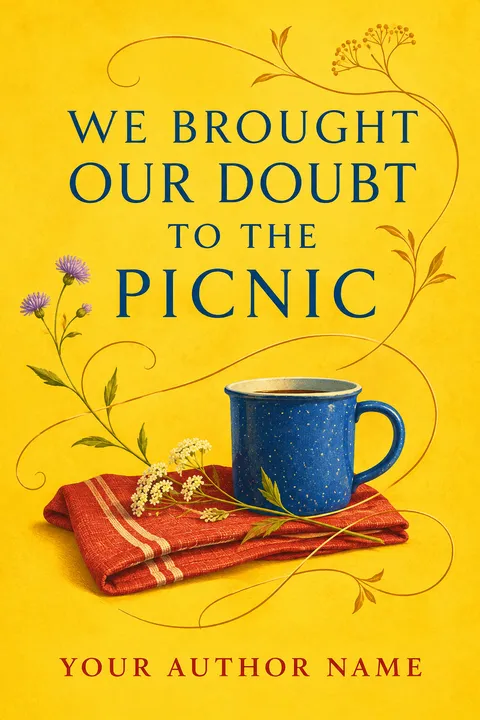
An original poetry collection follows adult friends making room for uncertainty during an imperfect summer. Shared food and interrupted plans reveal the difference between company and the pressure to be cheerful.

A linked poetry sequence explores pronunciation, ancestry and belonging through a speaker returning to a river town where everyone remembers her name differently.

A collection of original poems follows an adult speaker adapting daily rituals as her energy changes. The work finds wit and companionship in imperfect mornings without promising that attention can cure a body.

A coat-check attendant and an adult dancer exchange poems about the strangers whose coats seem to carry whole seasons. The final collection asks who gets to keep the warmth.

A cycle of poems follows a night bus driver who carries home the weather her passengers cannot name, then learns which storms belong to her.
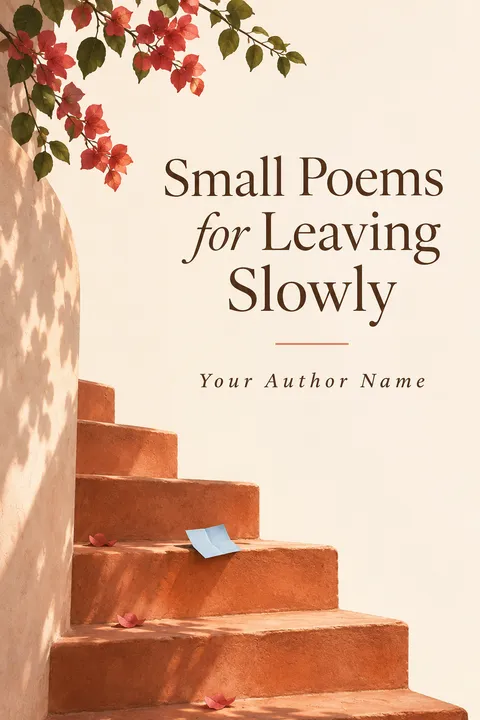
A night cleaner and a retired dance teacher exchange short poems on the noticeboard of a building scheduled for demolition.
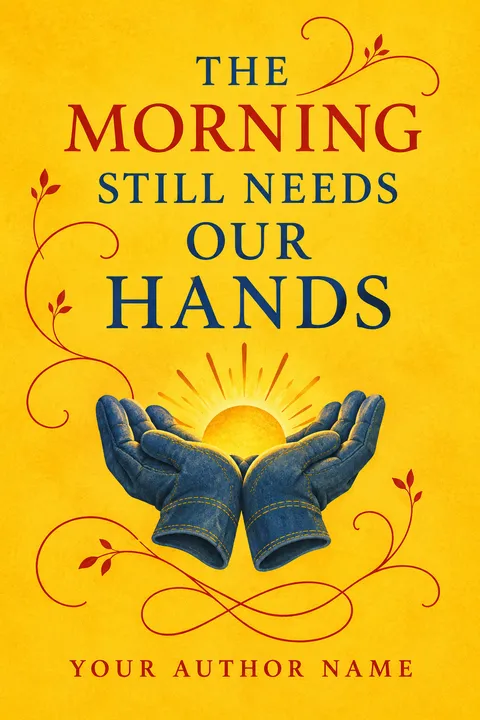
An original poetry collection follows the adult workers who prepare a city before it wakes. The poems attend to tiredness, private humor and the difference between being thanked and being helped.
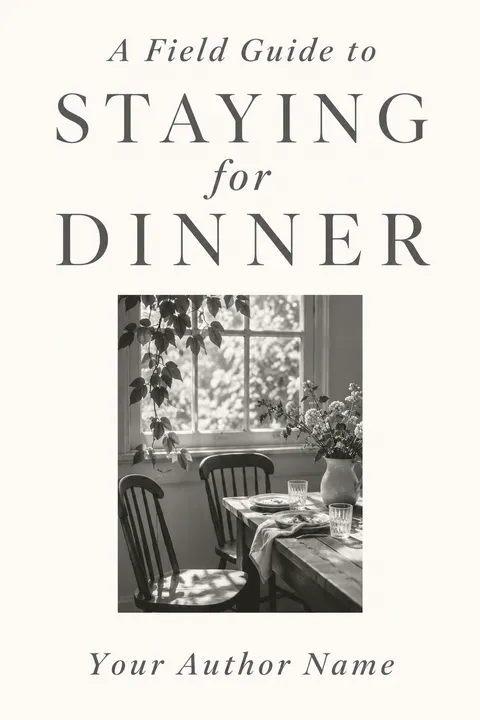
An original collection of poems follows adult friends learning to receive hospitality after years of being useful. Meals become occasions for awkward joy, unequal effort and the courage to leave some things unsolved.
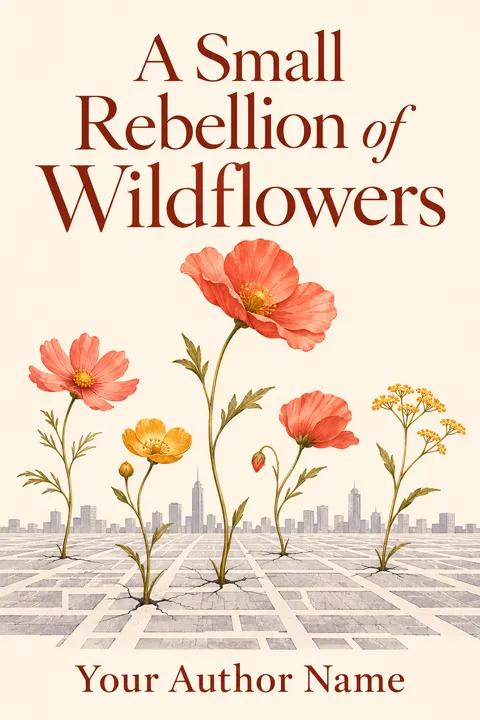
Poems move through an abandoned city plot as neighbors turn a place marked for erasure into a garden that refuses to behave like a tidy symbol of hope.

A sequence of poems follows two adult siblings cooking in different countries, measuring love through meals that cool before a call connects.
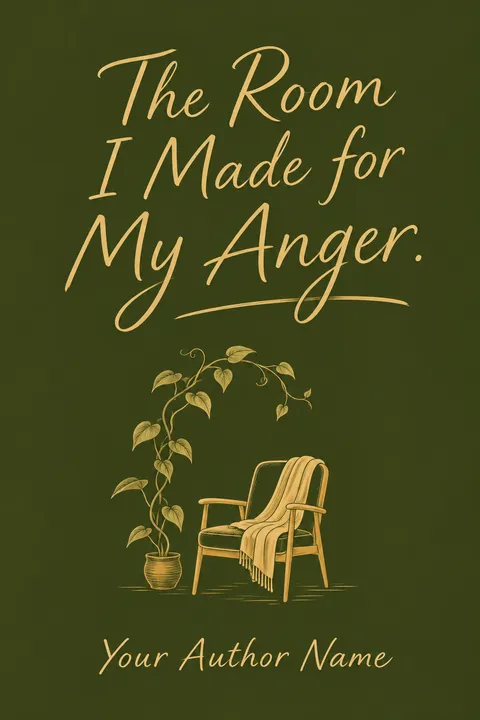
An original poetry sequence follows an adult speaker furnishing a room after a separation. Anger gets a chair, affection keeps a key, and the poems refuse to make recovery behave like a tidy renovation.

A sequence of original poems visits public meetings, kitchens and bus stops where adults make room for a person who has not yet decided what to say. Hope appears as work with incomplete instructions.
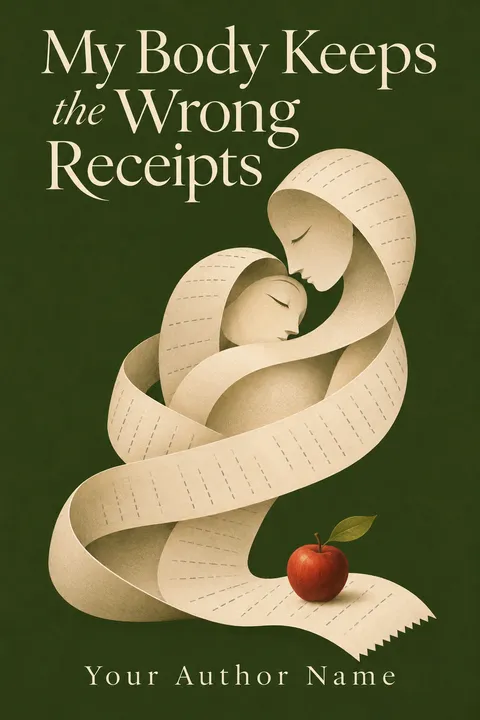
A book of poems uses ordinary receipts to question what a body records, refunds or refuses after illness, with tenderness and occasional inconvenient laughter.
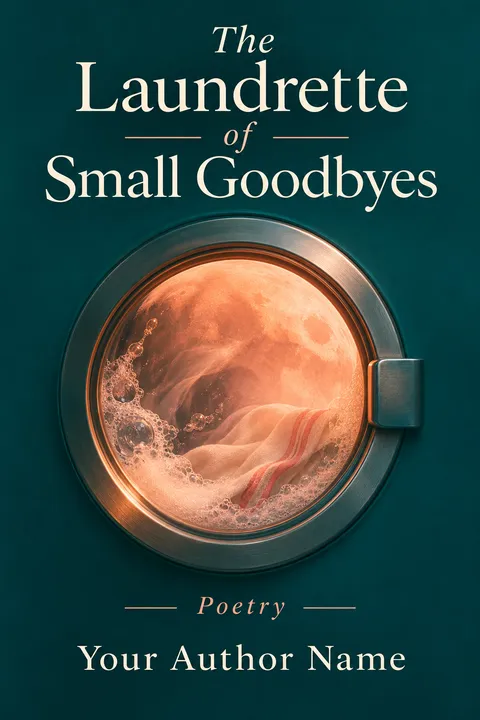
Linked poems trace a night laundrette where customers wash the clothes they cannot yet give away. A retired tailor begins leaving mending instead of advice.
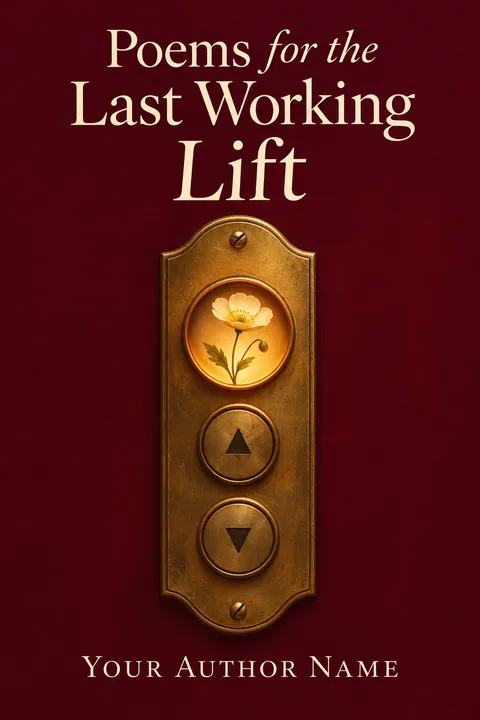
A lift attendant's linked poems trace the lives of residents who share a failing elevator but disagree about what it means to rise.
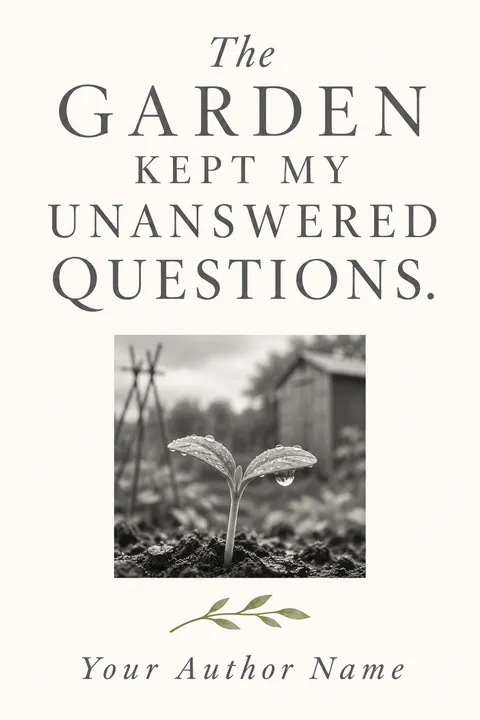
An original poetry sequence follows an adult allotment keeper through one difficult year, letting weather, small failures and neighbors complicate the wish for nature to provide a clear answer.

A divorced gardener writes poems about the small creatures that arrive when she stops waiting for one particular person, making room for anger, attention and unimportant joy.
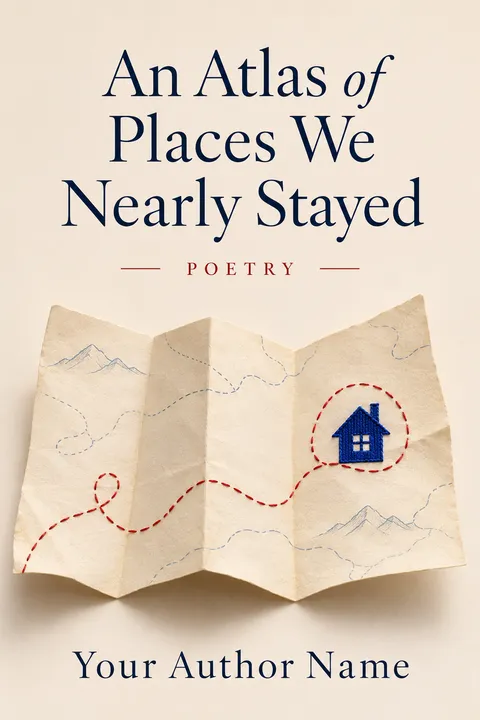
A lyric travel collection maps the homes two adult sisters almost chose, from a ferry terminal to a borrowed kitchen, while they decide where to scatter their father's ashes.

A laundrette owner builds a playful sequence of poems from abandoned socks, using their mismatches to explore migration, love, grief and the right to remain odd.
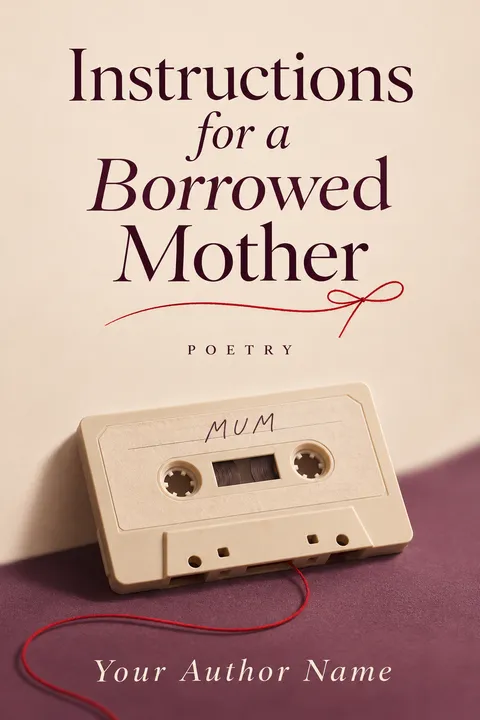
A narrative poetry collection follows two adult siblings as they use an imperfect voice recording to ask their late mother ordinary questions. The silences begin answering differently.
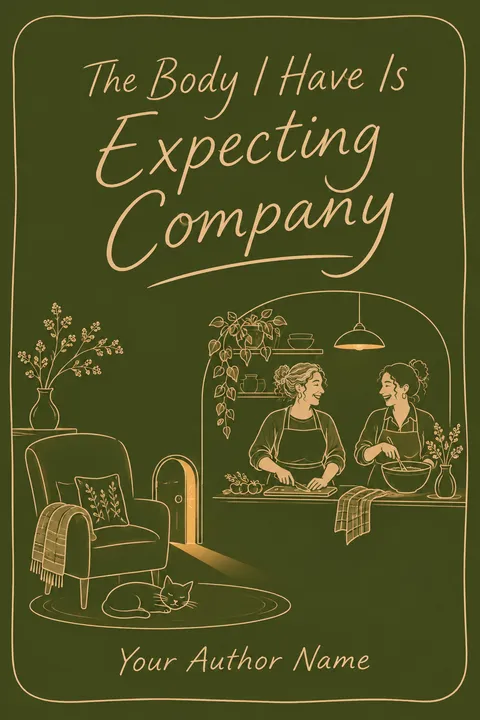
An original sequence follows an adult speaker preparing to host friends while her body and confidence change. The poems find wit in ordinary preparations without making appearance or energy a price of welcome.

A book of poems traces a migrant family's recipes through jars, journeys and altered tastes, asking what can be preserved without making the past a prison.
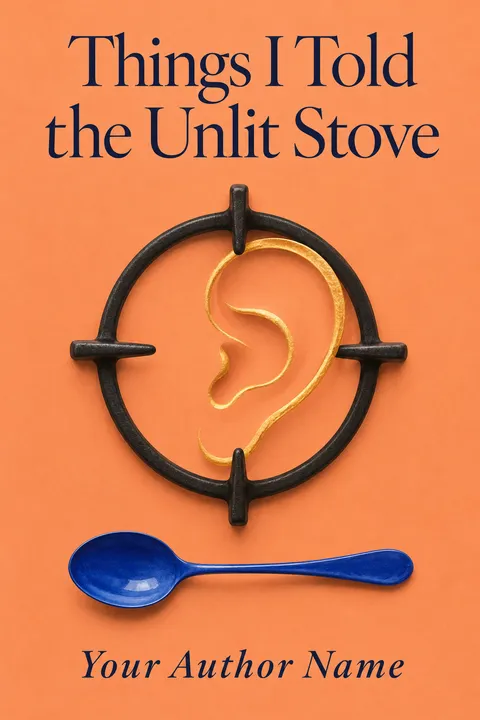
A chef who has lost her sense of smell writes poems to an unlit stove while learning how memory, appetite and care survive an altered body.
No saved stories yet. Find your first.
A poetry collection can begin with an ordinary source of attention: a night bus, an elevator, a kitchen, a laundrette or the receipts left in a coat. The recurring image gives the book coherence, but each poem still needs its own movement. Vary distance, rhythm, form and tone. One poem might tell a small story; another might address an object, list an absence or leave a question unanswered. Concrete details usually create more room for feeling than naming the feeling repeatedly. If the collection concerns grief or recovery, allow annoyance, humor and pleasure alongside pain without demanding that suffering produce wisdom. Think about the sequence as a changing relationship with the central image rather than a pile of pieces sharing a topic. The original concepts here include sample poems and a possible ten-part emotional structure. Develop your own collection by choosing a practice you can describe precisely, then write beyond its most obvious symbolism and let some images remain simply themselves.