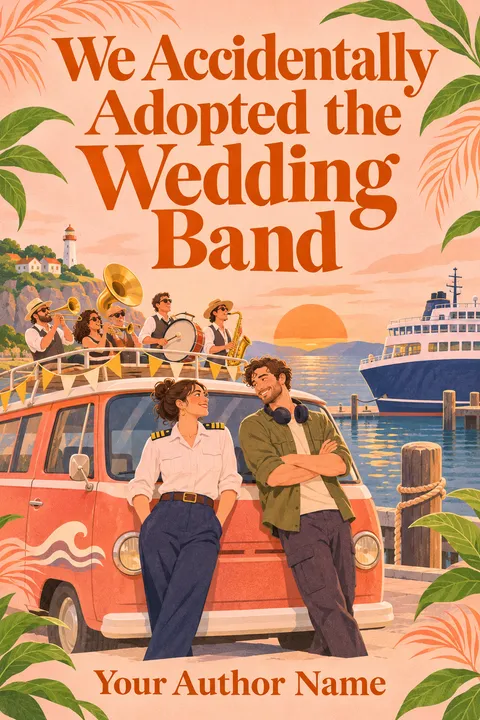
We Accidentally Adopted the Wedding Band
A ferry captain and a stranded sound engineer take an abandoned wedding band on a coastal tour. Every concert sells their imaginary love story better than the music.
 ImagineYourBook
Fake dating begins with a relationship performed for an outside audience. The emotional story starts when the performance creates private consequences neither person expected.
A ferry captain and a stranded sound engineer take an abandoned wedding band on a coastal tour. Every concert sells their imaginary love story better than the music.
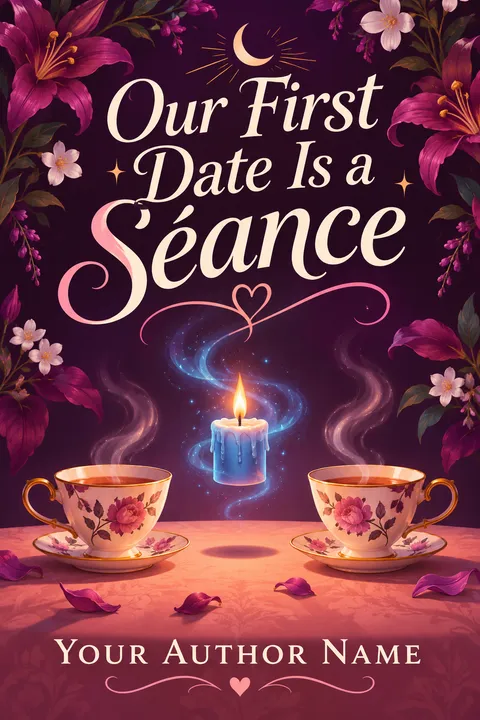
A skeptical event planner and an adult medium agree to one fake date at a disastrously sincere séance. The ghost has a request; their growing attraction has no useful script.
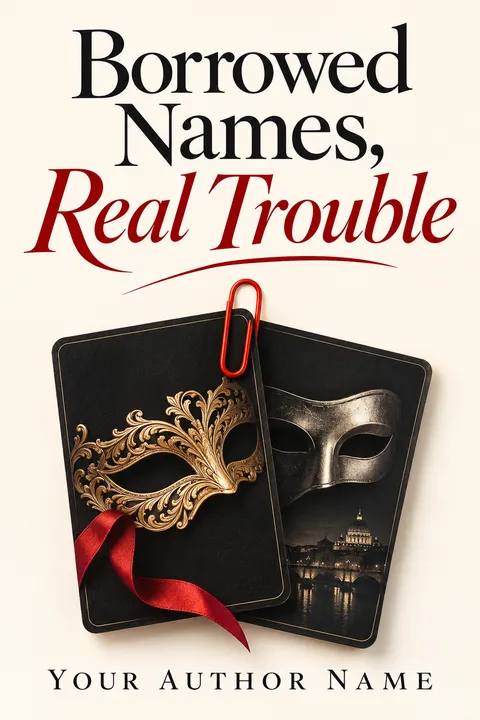
Two fraud investigators invent a relationship to infiltrate a matchmaking scam, unaware their false identities were already matched years ago.
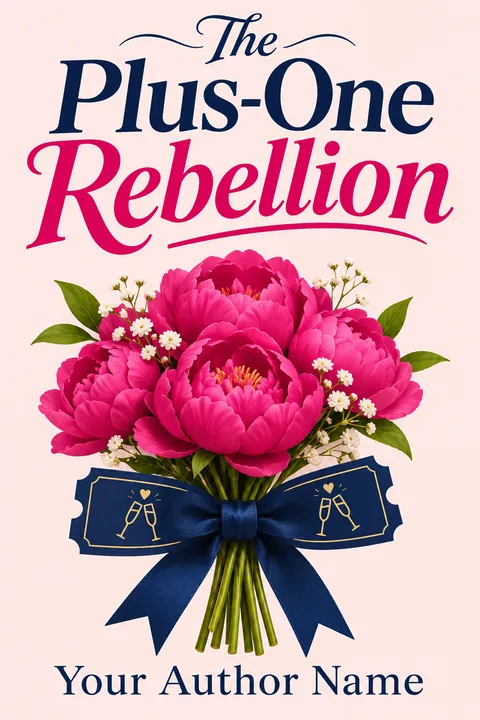
Two strangers rent themselves as a package deal to weddings, until the woman booking them turns out to be investigating marriage fraud.
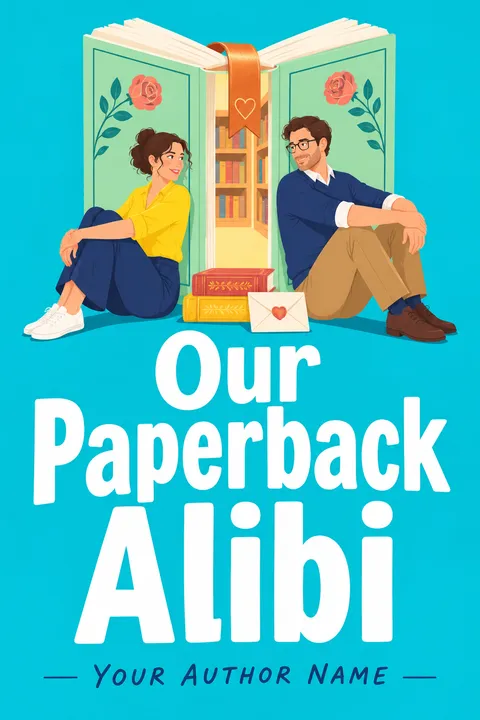
A prison-library volunteer and a rare-book conservator pretend to be a couple to recover a donated romance containing a letter that could reunite two estranged friends.
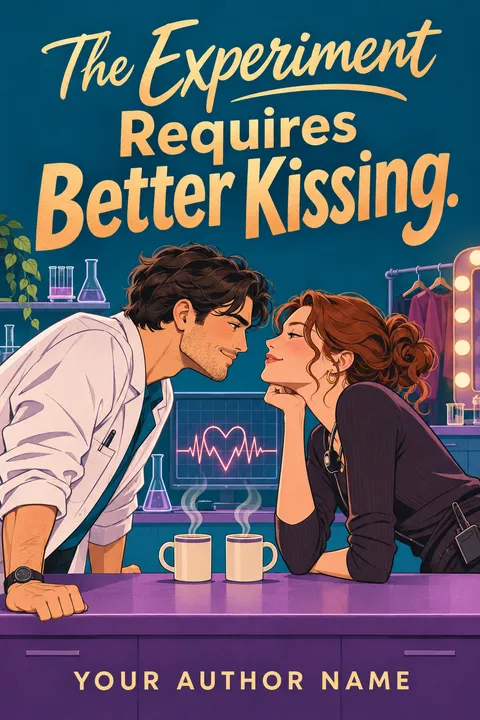
A sensory scientist and a theater intimacy coordinator test a device meant to measure comfort. When a sponsor demands chemistry on camera, they must separate what can be measured from what can be chosen.
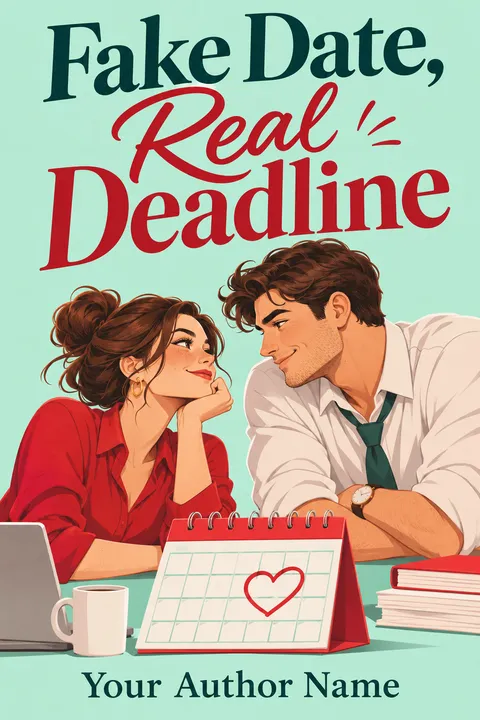
A newspaper's bankruptcy reporter and its anonymous advice columnist pretend to date to investigate a couples-only housing lottery.
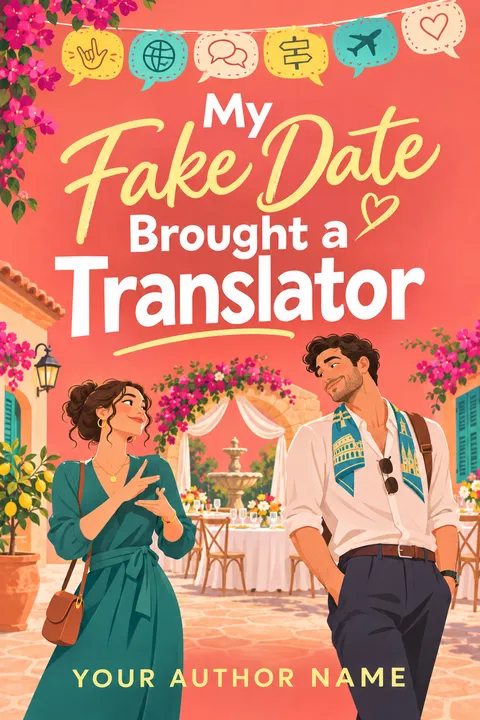
A sign-language interpreter recruits a bilingual tour guide as her plus-one at a family wedding. Their invented history becomes a comic problem when every relative knows a different language and asks a better question.
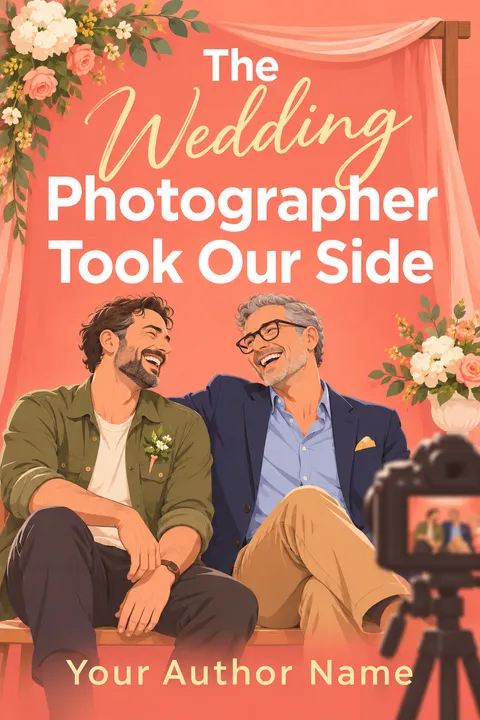
Two adult men seated together at an ex's wedding discover the photographer keeps mistaking them for a couple. Agreeing to one harmless portrait leads to a day of honest conversations neither planned to have.
No saved stories yet. Find your first.
Give the arrangement a practical reason, a clear audience, and a point at which it is supposed to end. A housing event, an investigation, or a wedding can supply the pressure, but both participants need independent reasons to agree. Establish boundaries before the performance becomes intimate. Those boundaries create useful scenes when the characters discover that a gesture meant for observers matters more when nobody is watching. Avoid relying entirely on a secret overheard sentence to separate them. The strongest crisis asks whether they will tell the truth when honesty costs the benefit that made the bargain attractive. For your outline, track the difference between what the audience believes, what each lead believes, and what their actions reveal. The ideas below include original openings and ten-beat structures you can adapt. Change the audience or the deadline to alter the tone. For a related premise with legal or social obligations, compare marriage of convenience; for a slower emotional transition, explore friends to lovers or slow burn.