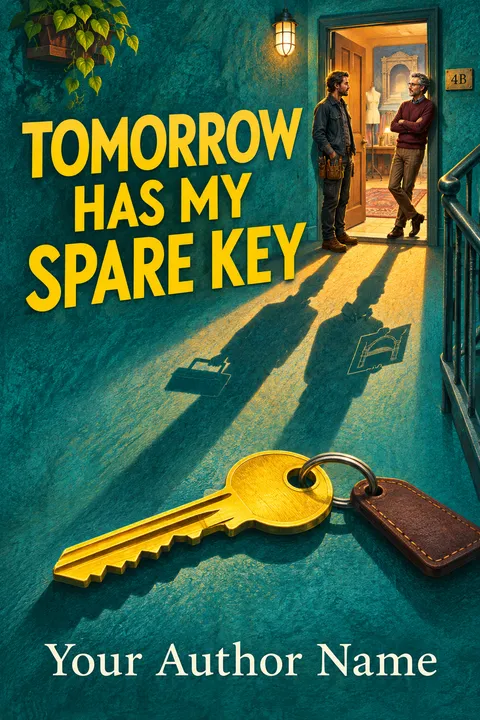
A locksmith finds his spare key opening an apartment one day in the future. The adult tenant waiting there wants the door repaired, not a romance, until their careful experiments reveal a future neither should have to inherit unchanged.
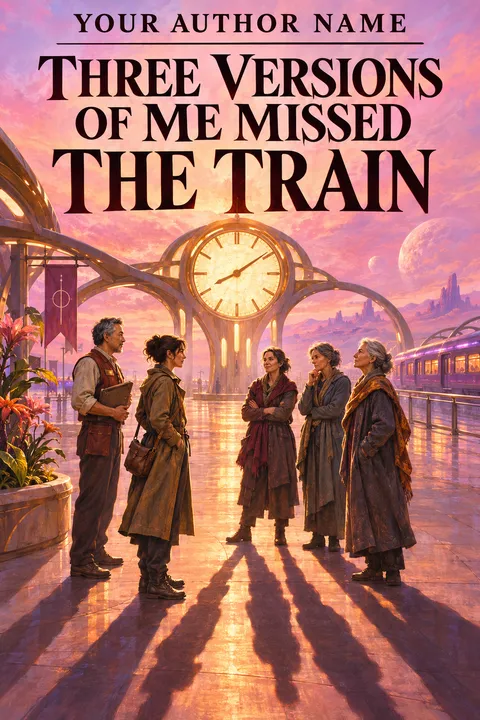
A transit investigator finds three older versions of herself stranded at the same interplanetary station. A porter helps her reconstruct the departure each deliberately missed, and the person they all claim they were saving, whose identity changes with every timetable announcement.
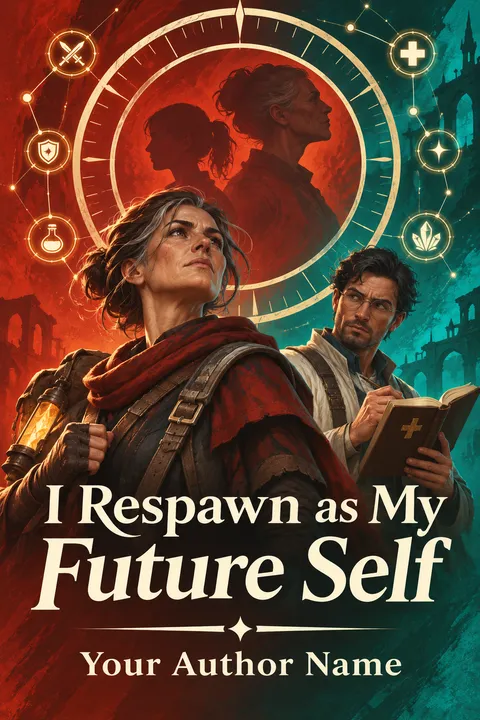
A novice dungeon diver respawns twenty years older with all her future skills and none of their memories. Her skeptical medic must help her distinguish earned wisdom from a terrible build, before the missing years arrive demanding she keep promises she cannot recall.
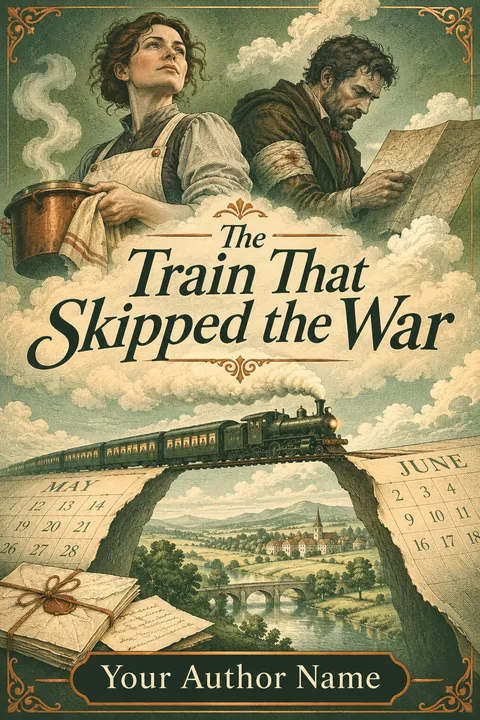
A railway cook discovers her train has bypassed an entire war and arrived in a peaceful version of the country. A wounded cartographer begs her not to correct the timetable, but passengers begin receiving letters from lives that peace has made impossible.
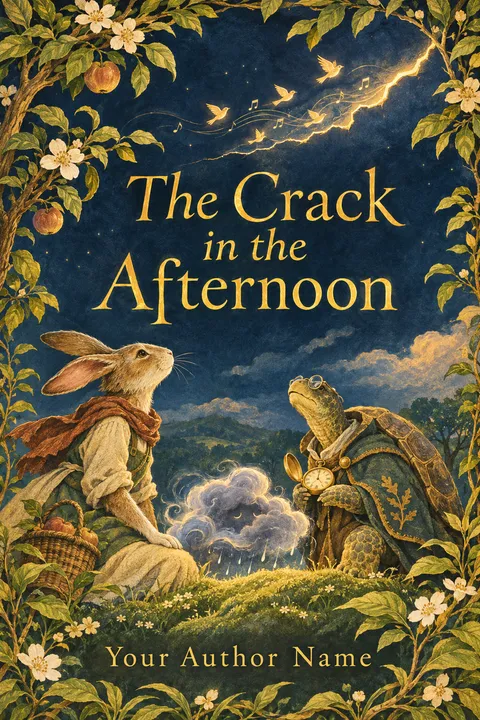
A rabbit notices a crack in the afternoon leaking tomorrow's birdsong. A turtle clock keeper helps her mend it, but a frightened little storm has slipped through first and needs a safe place to become the weather it was meant to be.
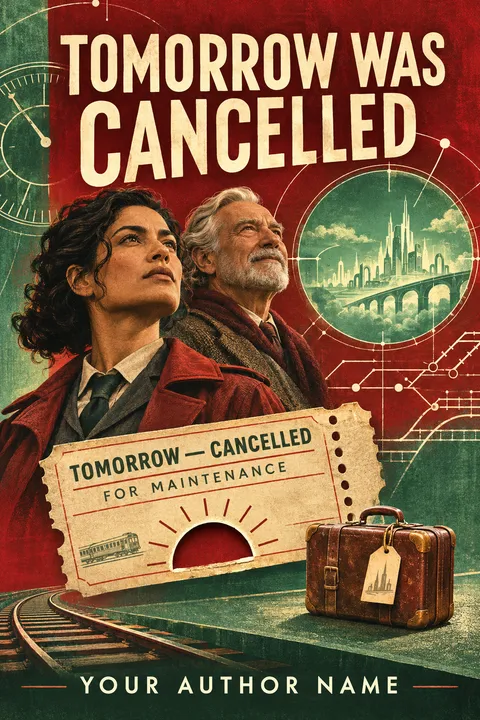
A rail dispatcher receives notice that tomorrow has been cancelled for maintenance. Everyone else accepts the delay. She and a retired station announcer investigate a replacement day that arrives carrying luggage, an apology and memories of a city nobody has built yet.
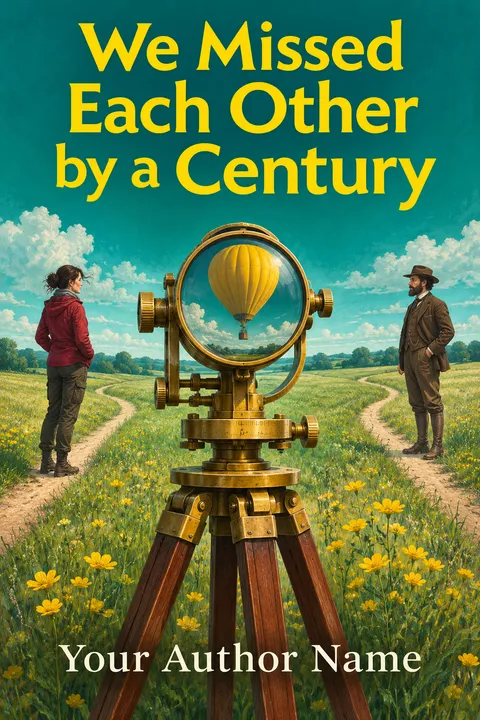
A modern balloon pilot lands in the same field as an adult surveyor from 1897. Their repeated meetings last only minutes, and a growing attachment forces them to ask what a shared life would cost the people waiting in their separate worlds.
Begin with a rule readers can grasp: a door opens one day ahead, a meeting lasts six minutes or a journey returns to the same afternoon. Decide what travels, what stays behind and what evidence remains afterward. You can preserve mystery around the cause while keeping consequences consistent enough for readers to anticipate a clever decision.
Give every period a life beyond its usefulness to the traveler. People have work, relationships, incomplete information and reasons not to abandon their present. Historical settings need researched detail; invented futures need practical continuity. The emotional stakes become stronger when moving through time changes obligations rather than offering an effortless escape from ordinary difficulty.
Choose the central experience you want to write: a romance across centuries, a repeating-day puzzle, a speculative adventure or a quiet encounter with a possible life. Test the ending against the original rule before adding exceptions. Each concept below is an original starting point with an opening and outline. Develop one in ImagineYourBook, adjusting the time mechanism, cast and destination into a fresh book of your own.