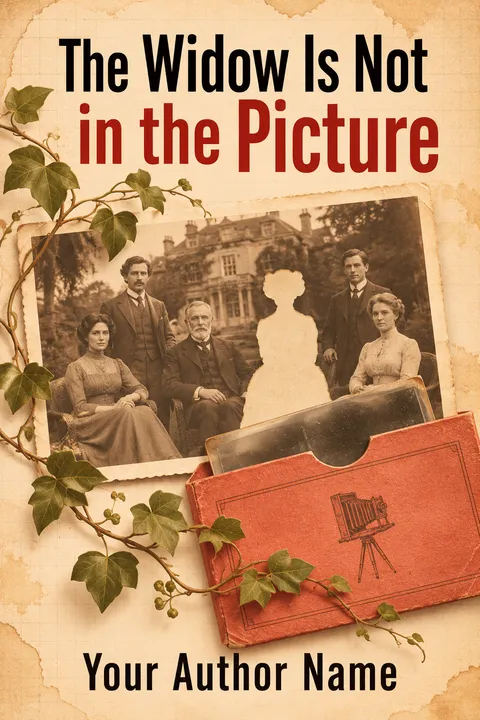
A photographer preparing an estate sale notices that a recent widow is missing from every family portrait she supposedly attended. Examining the plates reveals a practical deception, and the woman everyone calls difficult may be the only witness whose account can hold still.
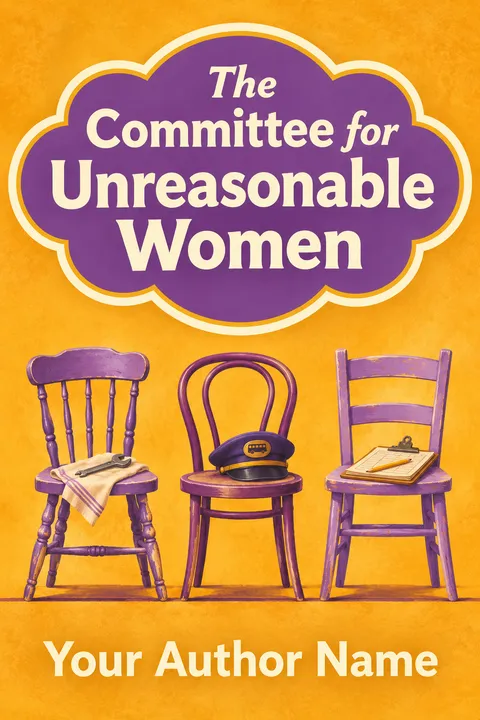
In 1964, a repairwoman is repeatedly refused a market stall because her requests are considered unreasonable. She starts a committee for everyone given the same answer, and a cautious bus dispatcher joins when their first demand is a bench nobody can privately own.
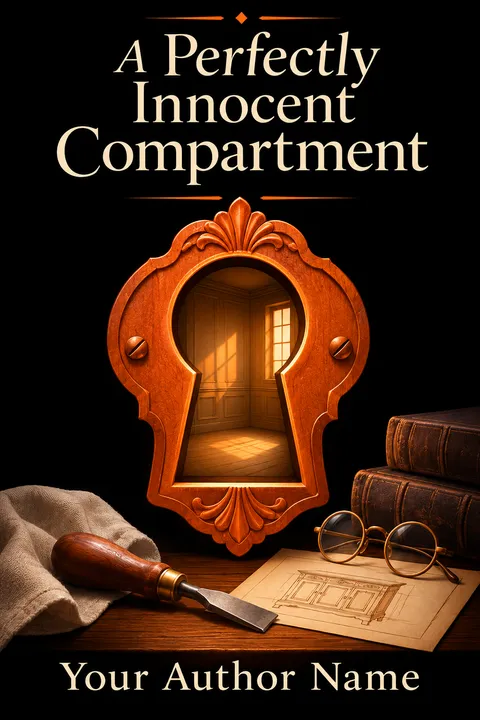
A furniture restorer finds a secret compartment that contains nothing, but every previous owner has paid to keep it sealed. A probate clerk helps trace the empty space through three estates, discovering why an absence can be inherited more profitably than a valuable object.
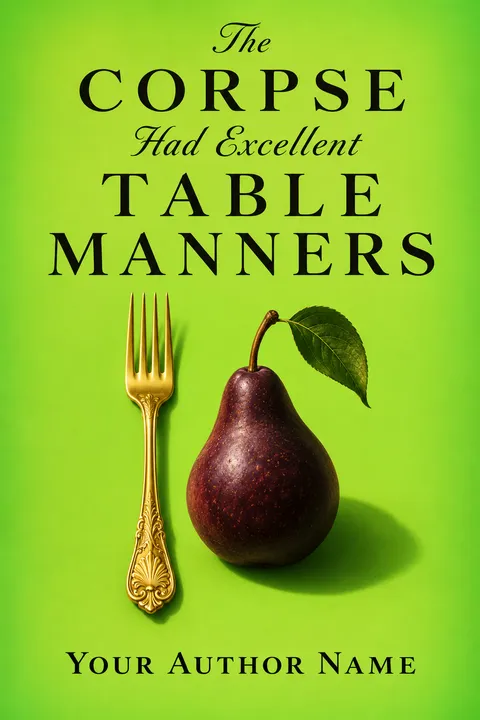
In 1904, an etiquette tutor notices that the guest blamed for a fatal dinner could not have arranged the table as found. Her unfashionable attention to service gives an overlooked servant a chance to be believed.
In 1965, an aging film star refuses the flattering final scene written for her comeback. The editor asked to rescue the production discovers how many ordinary lives have been trimmed to preserve her legend.
In 1891, a seamstress is commissioned to make a mourning dress for the sea. Each fitting returns a drowned family's missing possession, including something her grandmother insisted she had burned.
In a fictional 1928 expedition, a surveyor finds tomorrow's camp already abandoned and a grave bearing the expedition sponsor's name. Her photographer has already developed the funeral.
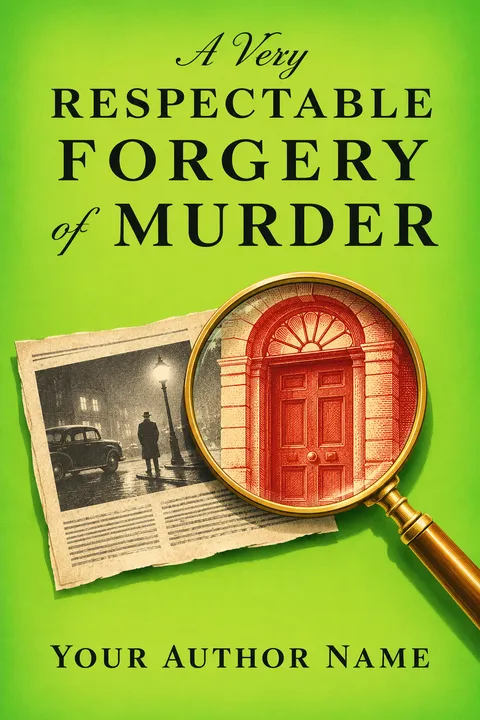
A seaside bootmaker finds a celebrated philanthropist's shoes beside the wrong body. Everyone trusts the gentleman's impeccable reputation, but she knows the repairs, the customer's peculiar gait, and the expensive difference between being respectable and being believed.
Two adult siblings in 1973 inherit a tailor's second-best suit and contradictory instructions about whom it belongs to. Following its repairs through a port community reveals a network of favors their father could never afford to admit he needed.
In 1893, a museum receives a receipt for a statue it has supposedly owned for centuries. A skeptical provenance clerk and a traveling plaster caster trace the purchase through a city's workshops, discovering a fraud whose most dangerous ingredient is everyone's desire for a beautiful origin.
A portrait restorer arrives at a family exhibition to find every painted face turning toward the wall. Uncovering what the pictures refuse to witness means questioning the flattering history she was paid to preserve, including her own grandmother's small part in it.
A modern balloon pilot lands in the same field as an adult surveyor from 1897. Their repeated meetings last only minutes, and a growing attachment forces them to ask what a shared life would cost the people waiting in their separate worlds.
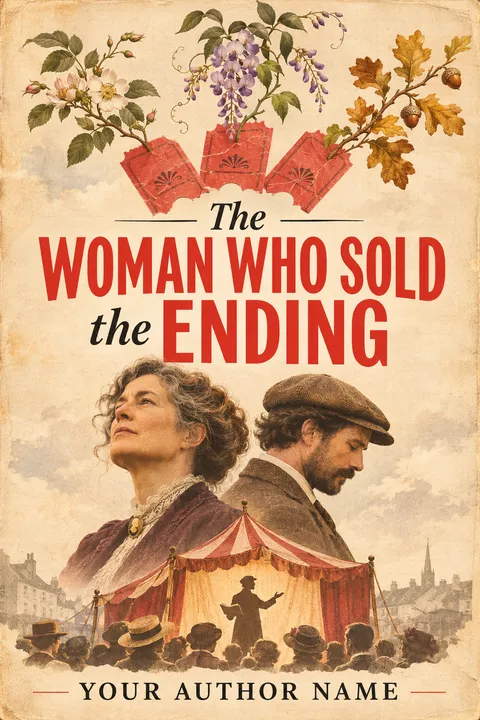
In 1910, a traveling storyteller offers audiences a choice of endings for a woman whose life the town considers finished. When the woman herself arrives to object, both must decide whether a satisfying story can make room for an inconvenient living person.
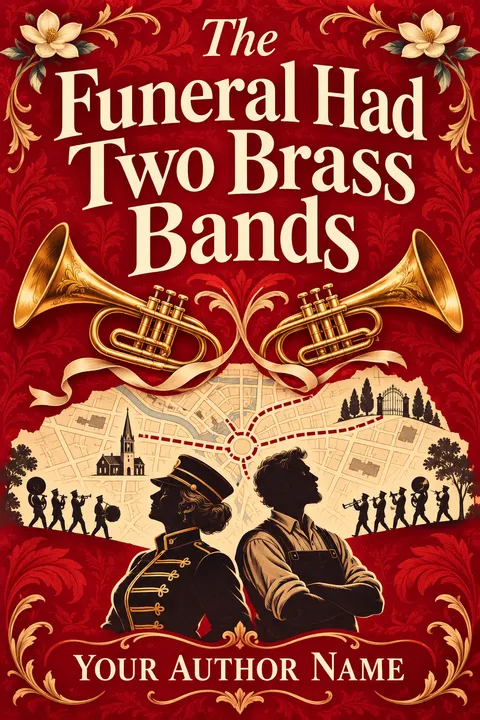
A bandleader arrives to play a civic hero's funeral and finds another band rehearsing a different procession. When the wrong coffin reaches the cemetery, she must reconstruct who changed the route and why the town preferred its dead man uncomplicated.
In 1924, a boarding-house cleaner finds abandoned architectural plans hidden under every carpet she lifts. A draughtswoman recognizes them as homes designed for women who never received permission to build, and together they try to complete one room before the house is sold.
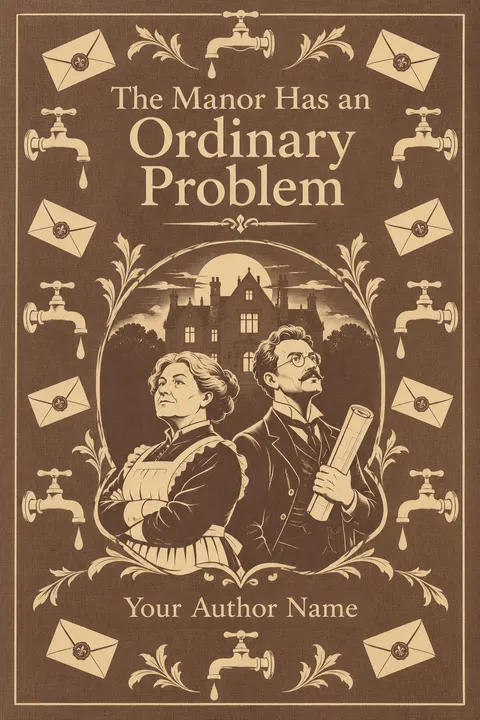
A 1908 manor advertises a haunting to conceal embarrassing plumbing, then finds that its invented ghost has started answering letters. The housekeeper and a sanitation engineer must identify the correspondent before a harmless fiction becomes a profitable reason to keep the household dependent on a lie.
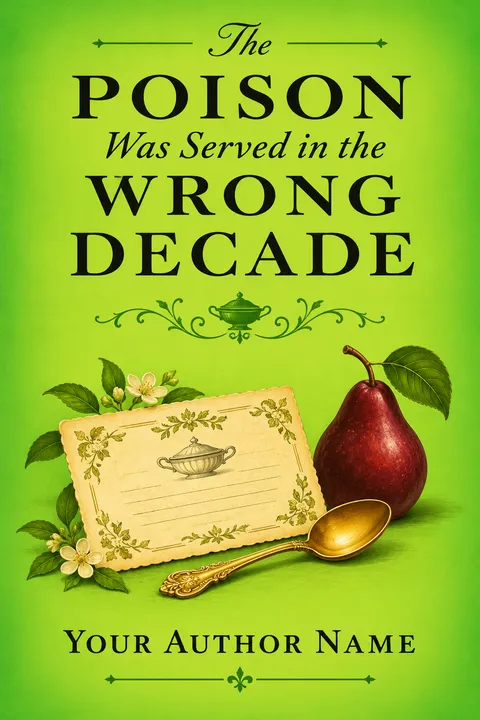
In 1907, a culinary historian finds that a banquet's fatal course follows a recipe altered twenty years earlier. The cook's supposed mistake connects two households that deny ever meeting.
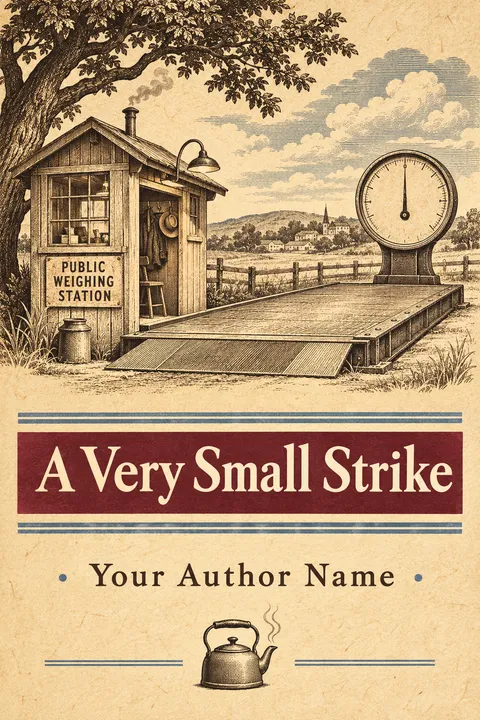
The sole worker at a 1948 public weighing station goes on strike against himself after learning his job is being advertised as a volunteer opportunity. A café owner offers him a picket line, and the town discovers how much invisible work fits inside one small hut.
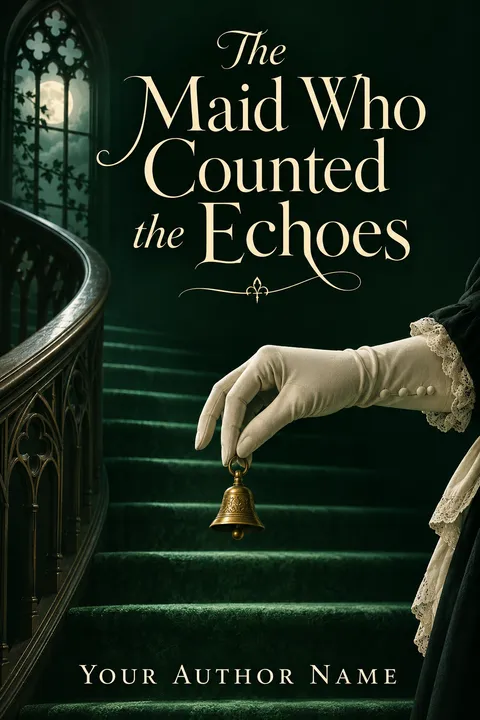
In 1911, a country-house maid is paid to count the echoes in each room. When one room returns an extra voice, she recognizes the woman dismissed before she arrived.
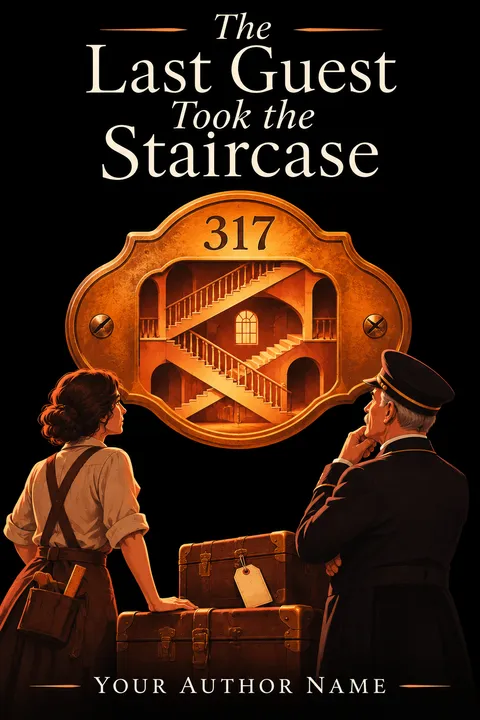
In 1932, a hotel closes for renovation and its grand staircase is dismantled, revealing luggage belonging to a guest who never checked out. A carpenter and the night porter trace the labels, discovering that someone has spent years making one ordinary departure look impossible.
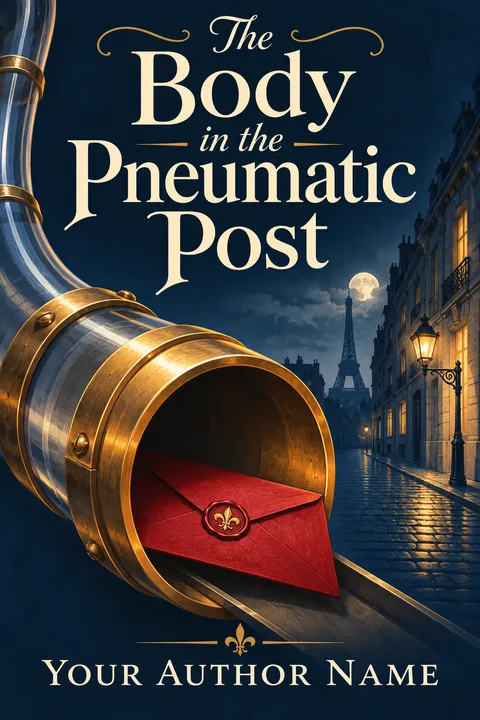
In 1899 Paris, a pneumatic-post mechanic discovers a human finger traveling with an impossible sequence of messages. Following the pressure readings exposes a murder staged beneath the city.
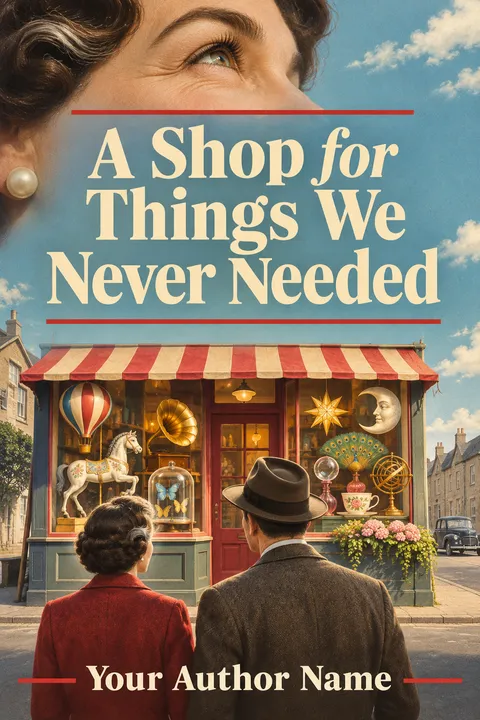
In a ration-weary town in 1950, a shopkeeper opens a store devoted to beautifully useless objects. A former factory planner comes to shut it down, then finds that its customers are buying reasons to imagine a life beyond being useful.
At a 1931 charity gala, a jewel-rental clerk realizes every necklace in the ballroom is an imitation, including the one she delivered. A dance instructor helps her trace the substitutions before the patrons discover that the evening's charitable promise may be rented too.
In 1931, an alpine funicular arrives with one dead passenger and no tracks leading to the upper station. A ticket inspector must solve a journey someone has counted from the wrong end.
In 1910, snow closes a mountain post route, leaving a postmistress and a mule driver with bags of letters everyone wants urgently. Reading none of them, they begin asking what help the senders actually need, discovering the difference between delivering news and answering it.
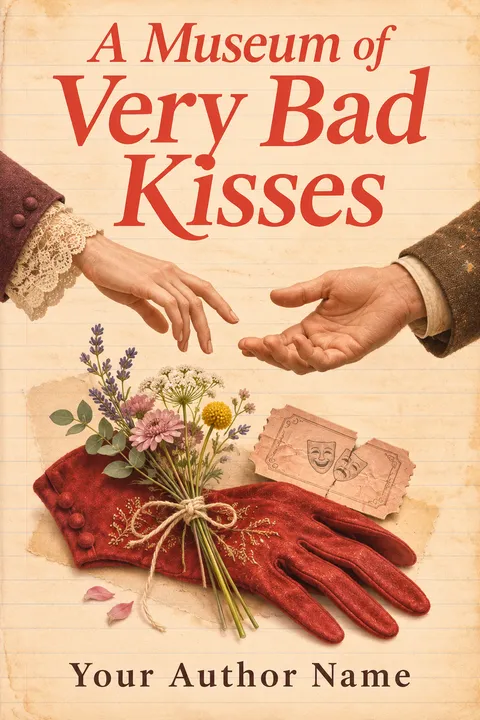
In 1913, an etiquette lecturer and a theater carpenter assemble a comic exhibition of failed courtship objects. Their project becomes popular for all the wrong reasons, and the pair must risk an unpolished private connection after teaching the town how to judge everyone else's.
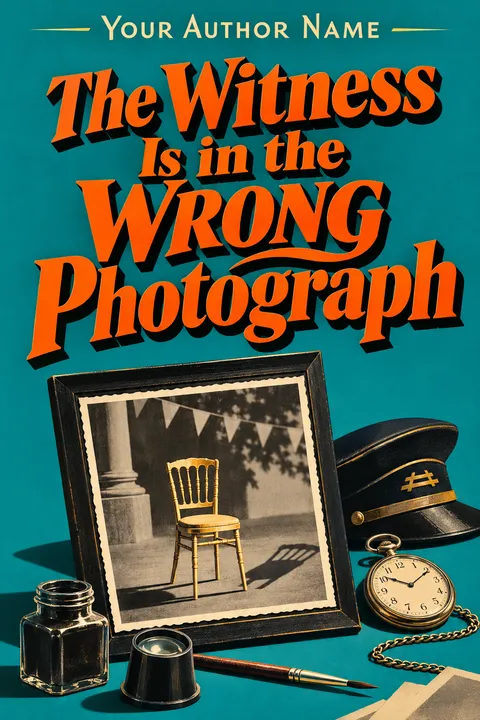
A 1937 civic photograph appears to show a witness at an event held before he arrived in town. A retoucher who knows how easily pictures can lie and a railway clerk who trusts timetables must work out which piece of impeccable evidence has been made conveniently wrong.
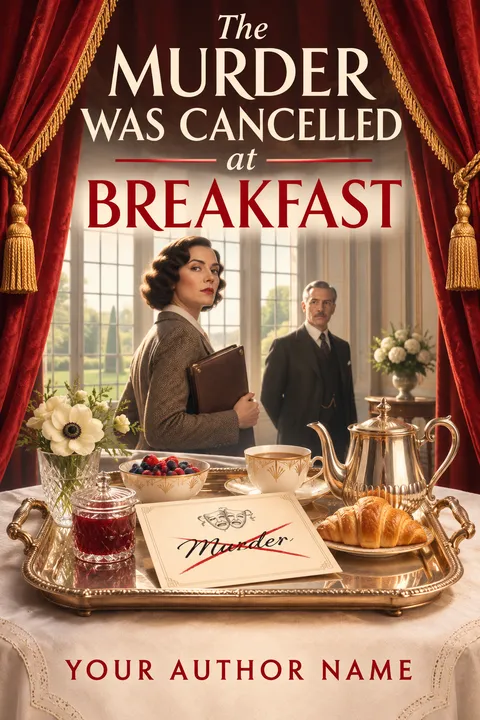
In 1927, a touring stage manager receives a cancellation note for a murder nobody admits commissioning. When a dinner guest dies that evening, the household insists she supplied the script.
In 1904, a factory fire inquiry turns on which way the wind was blowing. A roof repairer knows the official weather vane has pointed the wrong way for years, and a court interpreter helps her prove why every respectable witness suddenly remembers a different breeze.
In 1952, an etcher is asked to authenticate a newspaper image of a murder scene. The photograph is genuine, the caption is false, and the person who commissioned the forgery has just disappeared.
In 1896, a stable accountant enters a bicycle in a charity race reserved for the county's finest horses. A skeptical mechanic helps her challenge the rules, but victory would expose how the event's charitable reputation conceals a very uncharitable balance sheet.
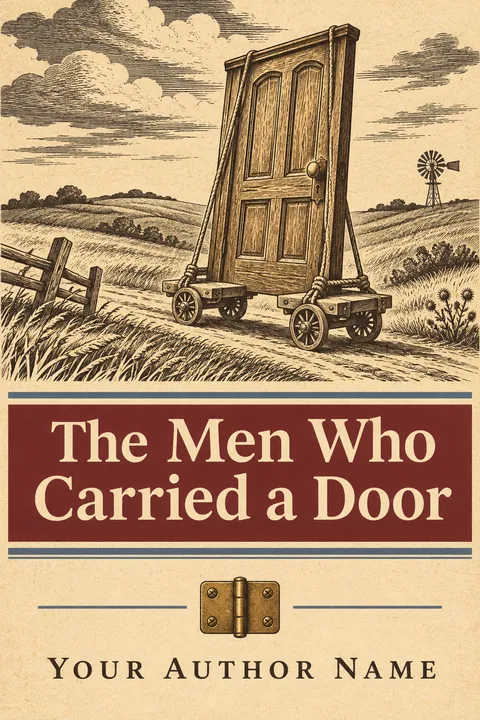
Two unemployed carpenters in 1933 accept payment to carry a beautiful door across a county without a house to attach it to. Each stop reveals another claim on the timber, turning a ridiculous job into an argument about ownership, work, and promises made by absent men.
In 1899, an estate librarian discovers farewell letters written in the hands of people who never left. A collector's death turns her quiet catalog into a list of suspects still waiting to be addressed.