A ferry captain wakes with a stranger politely asking to borrow her left hand. The city's new mind-sharing service insists she consented, but the guest remembers signing nothing either, and together they must discover who keeps turning people into places.
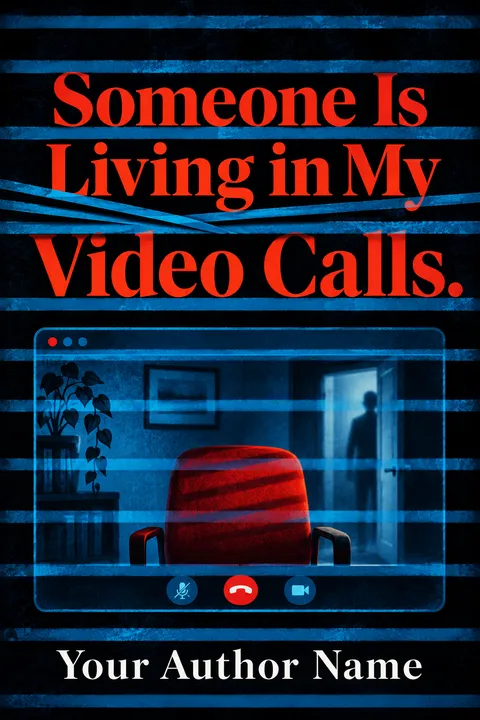
A high-rise tenant discovers a stranger broadcasting the exact view from her bedroom. The light in the recording is always one hour ahead, and the room behind the camera contains the suitcase she has not packed.
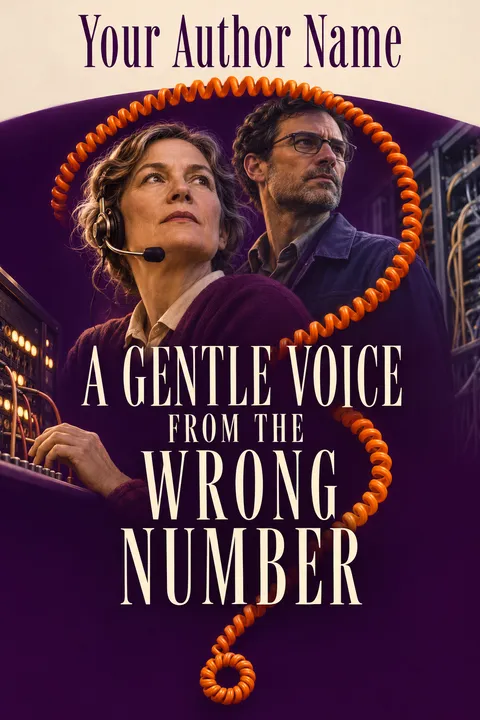
A switchboard operator receives soothing calls from a stranger who knows exactly when her callers are about to panic. A telecommunications technician helps trace the source, discovering that the reassurance is part of a test whose subjects have never agreed to participate.
An adult travel writer returns from a canceled honeymoon to meet the stranger who took her place. The woman's photographs show a trip nobody should have been able to complete, and the writer appears in every background.
A woman's oldest friend begins correcting memories with proof so convincing that the past seems to rearrange itself. An oral-history interviewer notices the corrections always benefit one absent person, and their investigation makes friendship's familiar shorthand feel like a carefully rehearsed script.
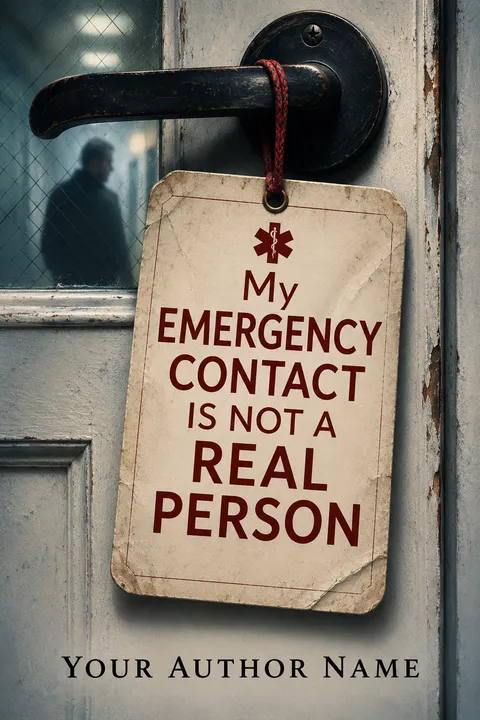
After a minor accident, an adult climbing instructor learns that her emergency contact has been answering for her for years. The name is invented, but the person waiting outside knows which parts of her life she has never questioned.
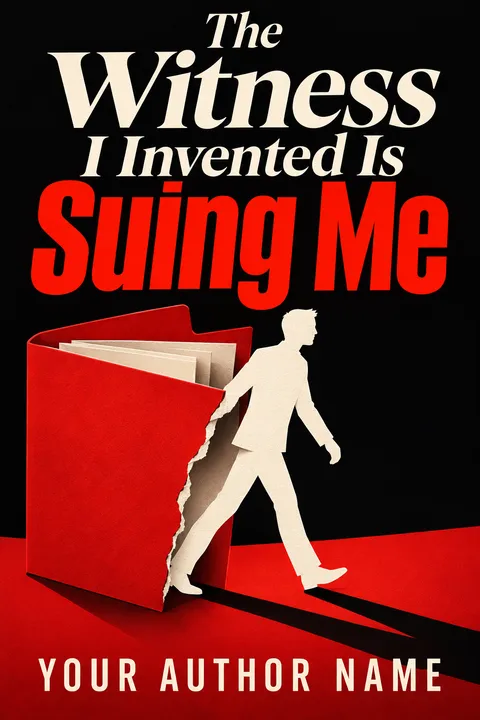
An insurance investigator invents a witness to close a harmless claim. The witness arrives with a lawyer and proof that someone has died under her invented name.
A reputation consultant accepts a dinner invitation and finds her place set behind a witness microphone. Every guest has brought a different version of a crime she was paid to make ordinary.
A conservation specialist receives the commission of her life, signed by the friend she believes died abroad. Accepting it reveals that someone has been arranging her professional failures for years.
A jury consultant discovers her husband has been hired to appear in strangers' family photographs. One picture proves he was home during a murder he remembers committing.
A couple in witness protection agree never to discuss their old life. Then their supposedly dead dog appears with a new collar and someone else's house key.
A remote caption editor notices the same stranger moving through the backgrounds of unrelated clients. When he appears inside her own recorded call, she must discover who has been editing the order of her days.
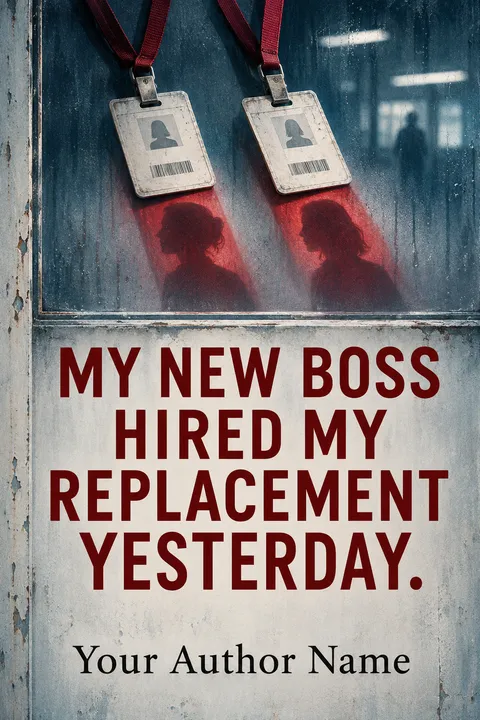
A quality inspector arrives for a new job and meets the woman already preparing to replace her. Every employee agrees this has happened before, but nobody can explain where the previous inspector went.
An adult surveyor finds her childhood name on the new house beside her own. Every visitor remembers her living there, including the woman who claims to have raised her daughter.
After a mistaken luggage delivery, an accountant receives boxes containing the life she nearly chose twenty years ago. A removals estimator recognizes the packing labels, but tracing the sender forces them to ask why someone wants her dissatisfied with the perfectly real life she built.
Four adult friends reconstruct a night they spent together before an unsolved disappearance. Their reunion is filmed as an innocent sleepover, until one recording proves someone has rehearsed the new version too carefully.
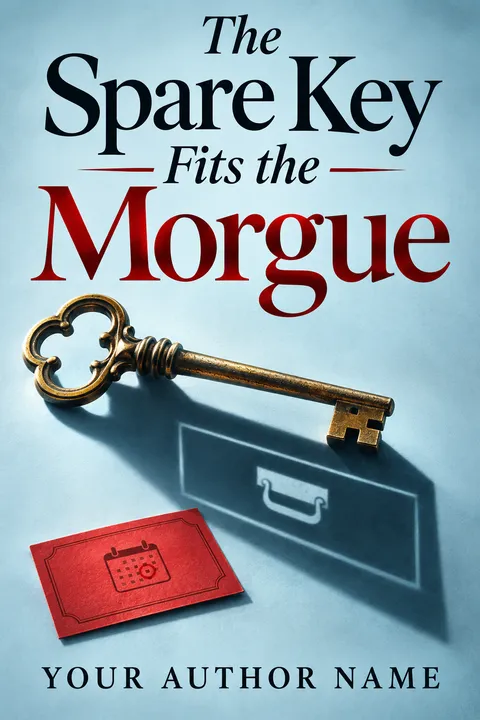
A locksmith receives the spare key she gave her missing sister. It opens a private mortuary drawer occupied by a stranger who is carrying tomorrow's appointment card.
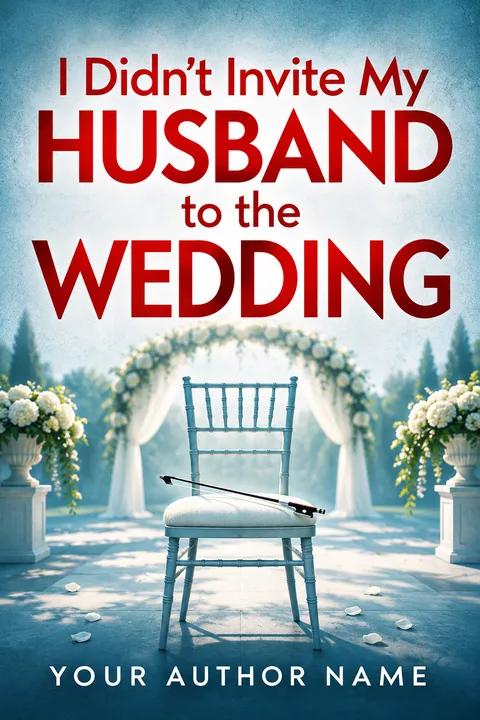
A wedding musician sees her supposedly absent husband greeting guests at a ceremony she was hired to play. He uses another name, and the bride's family seems to know exactly who she is.
An adult professional mourner attends an anonymous service and recognizes the childhood nickname printed inside the coffin lid. The other guests are actors, and the missing person is the woman who taught her how to grieve.
A professional reference writer receives praise from people she helped lose their jobs. Their letters contain details nobody outside her office should know about the disappearance of her first client.
A furniture restorer receives a chair with care instructions that describe her private habits. A former upholsterer recognizes the handwriting, but finding the maker reveals that the chair has been passed between people whose lives someone believes can be repaired by following a script.
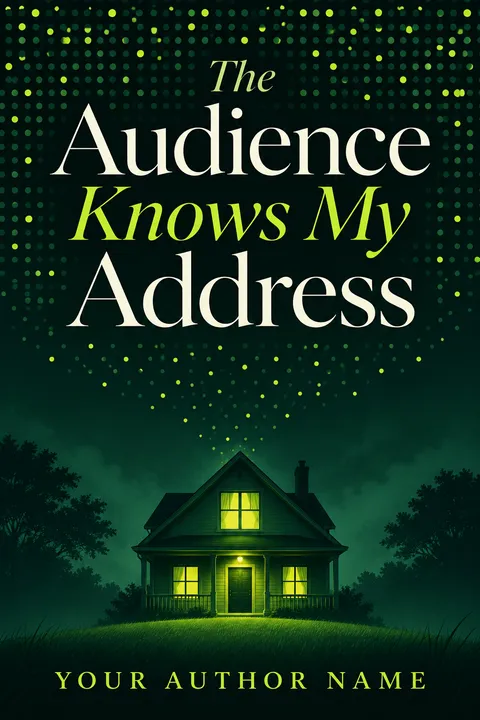
A jury consultant discovers an audience voting on every decision she makes at home. The votes are coming from people whose testimony she taught juries to distrust.
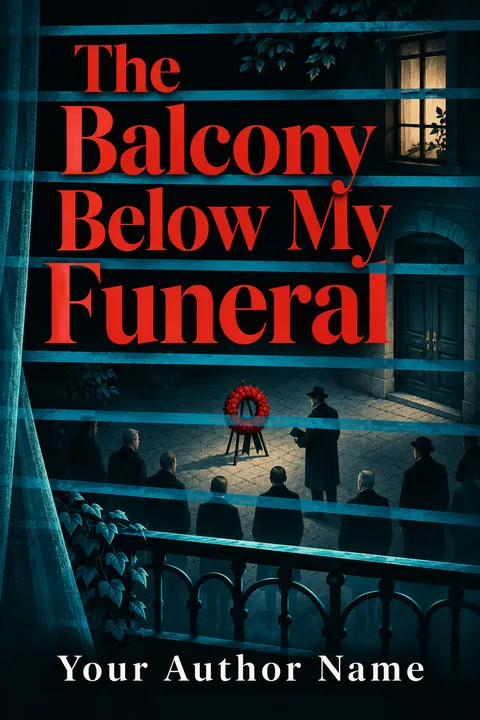
A theater manager sees a funeral staged in the empty courtyard below her rented flat. The mourners use her name, and the man directing them knows which door she will try first.
A woman is given an immaculate alibi for an evening she cannot account for, and every witness insists on confirming it. A skeptical night concierge helps investigate why so many strangers are determined to make her innocent before anyone has accused her of anything.
A job applicant finds a transcript of her final interview completed before she attends, including a confession she has never made. An employment mediator helps her trace the document, but each correction seems to teach the company a better version of the person it wants her to be.
A building surveyor receives an apology for a death that has not been reported. The enclosed plan shows a hidden room inside the home she once certified as safe.
A professional memoir interviewer is hired to recover a stranger's final week. The recordings contain memories from her own childhood, including one she has never told another living person.
A crisis publicist writes apologies for crimes her clients have not committed yet. When one client refuses the script, the next victim is someone she loves.
An adult event photographer returns to a family birthday and finds two contradictory farewell messages hidden in the cake decorations. Before the evening ends, one guest vanishes and the others insist the photographer designed the surprise.
An escape-room designer discovers a real murder staged inside a room she never agreed to build. Its puzzles describe the childhood home she has spent twenty years refusing to enter.
A forensic speech analyst hears herself describing a crime she has not committed. Her investigation reveals that someone has been rehearsing witnesses using the private recordings she thought were safely archived.
A sleep-study editor recognizes a participant's dream as a crime she witnessed years ago. The recording contains the one detail she changed when she gave evidence.
An apartment caretaker accepts help from a charming new neighbor after an injury. Small favors become a pattern of missing objects, and every attempt to establish a boundary produces evidence that she requested the intrusion.
An effective psychological-thriller idea gives the protagonist something practical to do before it gives them a reason to doubt everything. Choose a job, relationship or obligation that grants access to evidence: insurance claims, a doorbell recording, a witness interview or a public statement. Establish what normally happens, then introduce one contradiction the reader can understand. Suspense grows when explaining that contradiction would cost the protagonist something they value. Decide what they have concealed and distinguish that from what an opponent is doing to them. An unreliable viewpoint can be fair if the clues remain visible and later change meaning. Avoid using a diagnosis as a shortcut for danger or a final stranger as a substitute for an earned reveal. Build an outline that changes the balance of knowledge several times, with each discovery requiring a choice. The ideas on this shelf include original openings, casts and ten-beat outlines. Change the profession, the first compromise and the chain of proof to create a fresh version with its own emotional stakes.