
The Treaty of Small Mercies
A treaty weaver must marry the envoy who outlawed her craft to make a peace neither kingdom can break.
 ImagineYourBook
Marriage of convenience gives two characters a practical reason to marry before they are in love. Their agreement supplies structure while their choices build the relationship.
A treaty weaver must marry the envoy who outlawed her craft to make a peace neither kingdom can break.
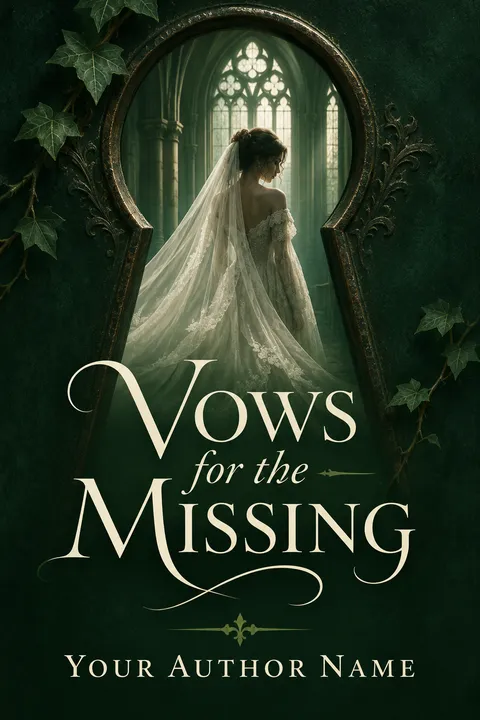
A restoration specialist accepts a paper marriage to a missing-person investigator. Their inherited chapel contains wedding photographs taken next week.
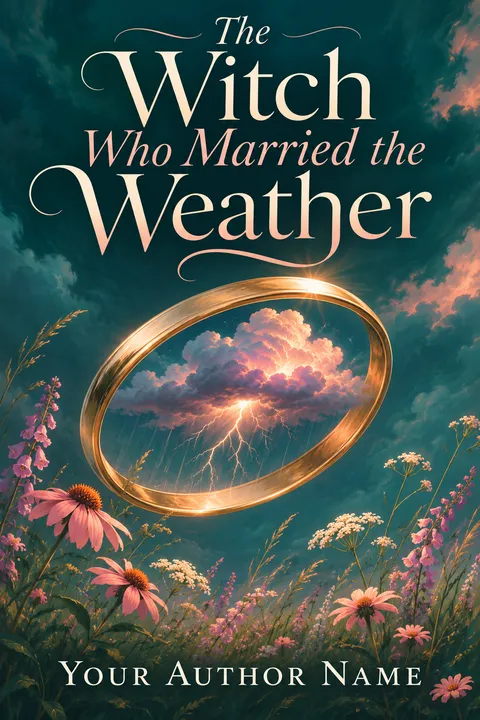
A practical witch enters a ceremonial marriage with a weather spirit to end a drought. Their trial separation makes it rain indoors, and both must learn what consent means beyond ritual.

Two tenants stage an engagement to keep an accessible apartment, but their elderly building's resident committee insists on planning the wedding.

A throne chooses the least powerful person in the kingdom each year. This time it selects the palace cleaner, who hires the exiled prince as her secretary.

A forensic accountant marries a reclusive hotel heir to audit the fortune neither of them is allowed to refuse.

An adult funeral musician marries a ghost to keep his endangered music school open. Their practical agreement becomes tender just as the afterlife asks whether either has mistaken being needed for being loved.
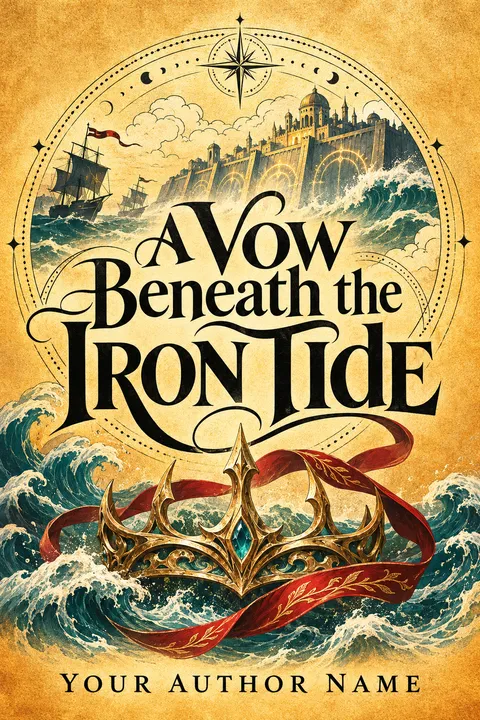
A harbor sorcerer must marry the adult commander whose fleet is sinking her city's enchanted sea wall. Their vows can hold back the water, but only a freely chosen alliance can stop the next siege.

A drought scientist must marry the ranch co-owner to activate an ancient water-sharing covenant. He trusts forecasts less than he trusts weddings.
No saved stories yet. Find your first.
Start with a fictional circumstance strong enough to explain the bargain without treating marriage as a universal solution. An inheritance condition, a family expectation, or a shared institution may create pressure. Research the legal details for the jurisdiction if you develop the story for publication. Give each lead independent advice, a meaningful way to refuse, and a reason that does not erase the other's agency. Separate the public arrangement from private expectations. Meals, work, household routines, and disagreements about responsibility often reveal attraction more convincingly than a sudden declaration. The central crisis should test whether they value the person beyond the advantage of staying married. A satisfying ending lets them choose the relationship after the original bargain loses its force. These story starters provide openings and outlines with different settings and tones. Change the benefit, deadline, or cost of leaving to shape your own version. Compare fake dating for a lighter public performance and second chance for a marriage shaped by an earlier shared history.