A window repairer discovers her house moving its rooms closer to the greenhouse next door. Helping two buildings fall in love without trapping their residents forces the human neighbors to discuss the changes they have both been pretending not to want.
A community quilt changes its pattern whenever the town council tells a convenient lie. The seamstress who repairs it and a young adult council interpreter try to protect the people represented in its stitches before the quilt is displayed at a celebration funded by the biggest liar.
Thirteen linked stories follow people whose doors open onto the places they refuse to name. A carpenter collecting the missing hinges becomes their accidental neighbor.
An adult school cook keeps finding a cat waiting beside places she has stopped visiting. Following it reconnects her with the choices she once called impractical, while a neighbor learns that companionship is not the same as rescue.
An orbital hotel cleaner discovers an entire inhabited ocean beneath a guest's bed. When the room is booked for demolition, saving its tiny civilization requires deciding how to offer help to people who consider her the weather rather than a person.
A curator exhibits choices visitors never made. When her safest decision becomes the museum's most dangerous object, she and a night cleaner must return unwanted possibilities to their owners before a flawless city forgets how to choose anything at all.
A nursery owner finds strange flowers blooming wherever she has swallowed an insult. A landscape ecologist helps identify plants that feed on unfinished arguments, but the garden's sudden popularity makes it harder to uproot a beautiful business built from resentment.
A railway gardener discovers the final living forest has rooted itself inside a night train. Delivering it to a place where it can grow means persuading passengers, towns and trees that arriving safely is different from deciding who gets to keep it.
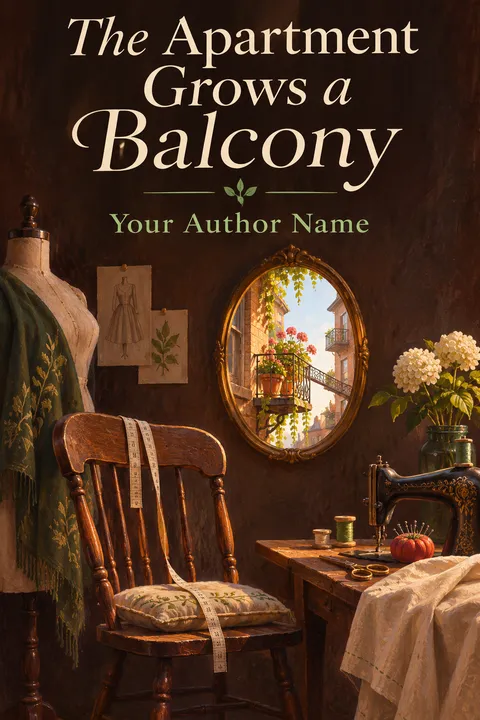
A windowless apartment sprouts a balcony each time its tenant admits something she wants. A practical building caretaker tries to stop the unauthorized growth, until the balconies begin connecting neighbors who have spent years believing their needs were too small to mention.
A woman returns to her coastal family home as fog while her estranged sister remains flesh and blood. Learning how to welcome her without imprisoning her exposes the departures their family has always called betrayals.
Seven linked stories follow a traveling heart offered to people who believe they have forgotten how to care. Its final borrower asks whether returning it means returning every feeling it taught her.
When a woman announces she has married the drought, her adult brother assumes grief has become a performance. But the dry season begins behaving like an unwelcome relative, and their town must ask what promises it has made to survive.
A furniture restorer finds a stranger selling the sofa they apparently own in a future marriage. The two adult women agree to investigate before believing the label, discovering that a possible happy ending is an invitation to choose rather than a binding prediction.
A town's memory keeper goes fishing and leaves her newest assistant in charge of everyone's past. A repairman helps him manage memories that have started visiting one another, while the absent keeper follows the one recollection she has never been allowed to keep.
A coastal town receives a bill from the sea for everything it has taken without asking. A bookkeeper and a retired salvage diver dispute the charges, then discover that returning one ordinary object could cost them their most profitable local tradition.
A wedding planner inherits a guest list written as weather forecasts. Each linked story reveals the relative or stranger hidden inside one arriving storm.
A linked story collection follows a shop renting improved versions of ordinary Tuesdays. Its assistant must return the unwanted originals to the people who lived them.
A lost-property clerk delivers a suitcase of childhood belongings to the wrong adult. The recipient remembers every object, forcing two families to ask which parts of a shared past they have mistaken for ownership.
A surveyor catalogs rooms that appear inside people after a separation. Each story follows a different occupant deciding what to keep, what to open and what to stop charging rent.
After moving to a new country, an adult brother and sister discover their shadows still living in the old street. Visiting them forces the siblings to ask what can travel, what can change and what they need not surrender to belong.
A florist finds bouquets wilting in the order their recipients will experience grief. A hospice gardener helps her care for the impossible plants without turning every delivery into a warning, until a flower addressed to her begins blooming backward toward a joy she has forgotten.
A cleaner who once trained as a dancer finds dust moving through the routines she abandoned. Following its small performances reveals a neighbor's hidden history and a chance to return to movement without pretending her body or life has stood still.
A hospital porter finds a quiet ward where broken promises arrive as injured household objects. One cracked teacup refuses to heal until she visits her estranged sister.
Five linked stories follow neighbors sharing a horizon left behind by a departing tenant. Each person sees a different possible future through the same kitchen window.
A café dishwasher hears the conversations people meant to have inside their empty cups. One cup carries the apology she has been rehearsing for someone who no longer visits.
A sound engineer inherits the echo from a hall her father once cleaned. When it begins repeating words nobody remembers speaking, a retired caretaker helps her distinguish the memories worth preserving from the silences her father deliberately chose to leave behind.
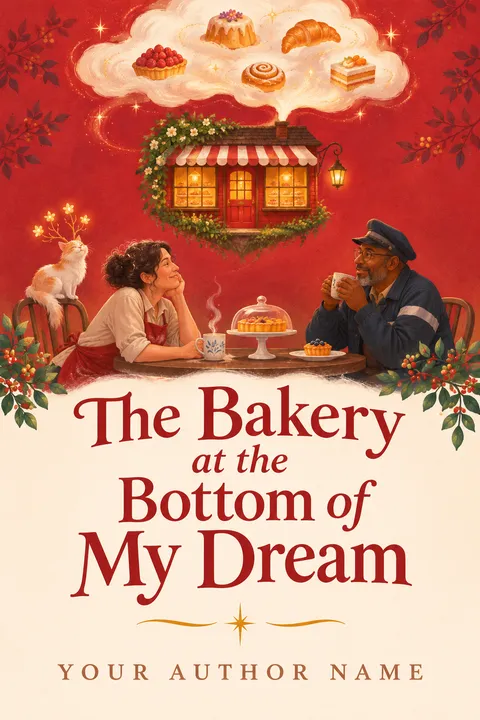
An adult baker finds customers arriving with memories of pastries she has only made in dreams. Following their stories leads her toward a life she keeps postponing until everyone else is satisfied.
A municipal translator discovers that an expanding city has started naming its new streets after memories she never shared. With a night-bus driver who remembers the original roads, she follows the stolen names toward a neighborhood the official map insists never existed.
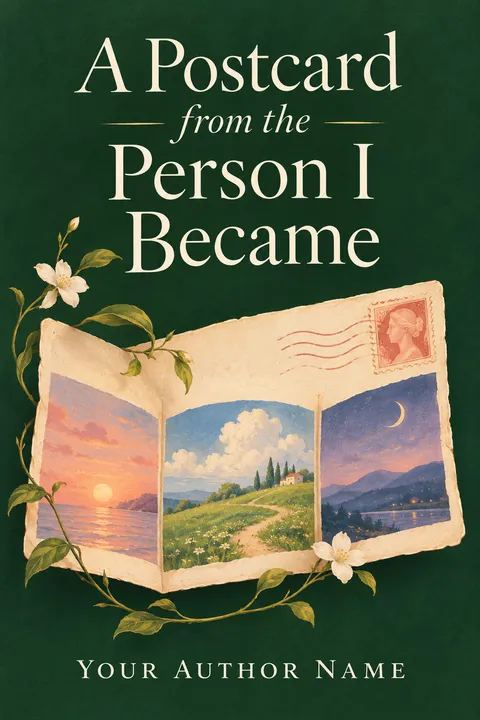
A postwoman receives postcards from versions of herself who took different roads. The one card without a signature comes from the home she has avoided for thirty years.
A wildlife radio operator receives a complaint about her father's obituary from a wolf wearing his old tracking collar. A sound engineer helps her hear an unfamiliar account of their shared past, but correcting the human record may cost her the only reassuring story she has left about her father.
A costume maker clearing her mother's home finds each garment speaks in a voice the family softened after moving abroad. Preparing clothes for a reunion becomes a negotiation over what belonging is allowed to sound like.
An adult sound recordist returns to her river town after her sister stops answering letters. The river begins replying in scraps of both their handwriting, but remembers their argument from a third perspective.
A piano tuner discovers an instrument that plays the rhythms of people its owner has overlooked. Tuning it for a sale would silence the one stranger whose music has begun to sound like home.
A mountain begins inching toward a town that voted to rename it after a developer. A surveyor and a café owner must negotiate with an inconvenient landscape while deciding whether the town's growth was ever worth the people and places it made invisible.
A magical-realism idea works through the relationship between ordinary precision and an impossible event. Keep the workplace, household or neighborhood concrete: shifts, bills, familiar objects and the way people avoid difficult conversations. Then allow one wonder to enter without requiring a complete technical explanation. The wonder should change what the protagonist must notice or choose, rather than solve a relationship on their behalf. A door can offer a return without making return wise; a repaired object can carry history without forcing forgiveness. Give other characters the right to disagree about what help means. Restraint often makes the impossible detail more affecting than constant escalation. Think about the ending as a changed way of living with uncertainty, not necessarily the restoration of ordinary rules. The original starters here include openings and ten-beat outlines. Change the everyday practice, the central image and the relationship under pressure to build a fresh novel with its own emotional logic.