Gothic fiction turns a place, an inheritance, or an old arrangement into an intimate source of unease. Begin with something beautiful that asks too much of its occupants.
A portrait painter is hired by a monster who has never seen an image made without fear. Every truthful detail changes the creature's body, forcing the artist to ask whether kindness means making someone beautiful or allowing them to remain unmistakably themselves.
An adult heat engineer investigates a cellar warming from beneath. Its impossible light reveals familiar objects at ages they have not yet reached, and the house is beginning to invite the whole street downstairs.
In 1891, a seamstress is commissioned to make a mourning dress for the sea. Each fitting returns a drowned family's missing possession, including something her grandmother insisted she had burned.
An adult acoustics engineer and a restoration architect discover a chapel that repeats promises nobody remembers making. Their attraction deepens as they investigate a patron who intends to make every promise binding.
An adult shadow-mender is hired to recover a prince's missing silhouette before his coronation. The shadow has built a life of its own, forcing the pair to ask whether becoming whole can justify taking freedom back from something that learned to choose.
In 1911, a country-house maid is paid to count the echoes in each room. When one room returns an extra voice, she recognizes the woman dismissed before she arrived.
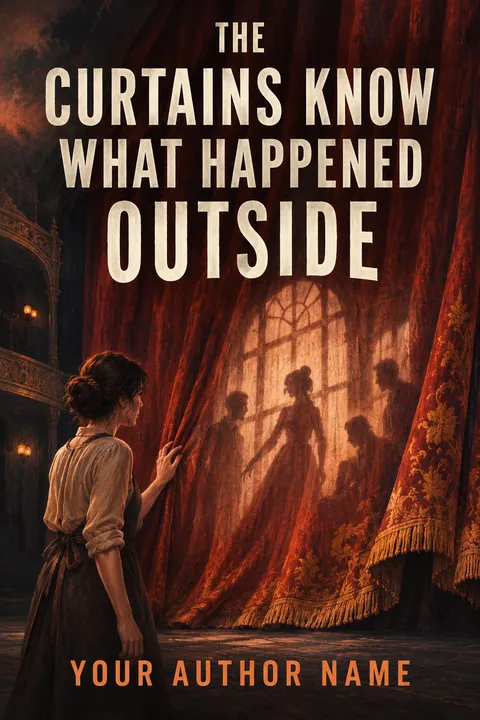
A theater textile restorer finds a set of curtains preserving shadows from a night the town refuses to discuss. Hanging them for a revival lets the shadows begin rehearsing with the living cast.
A locksmith makes a key that turns one room into perfect refuge. When the world beyond the windows begins forgetting its occupants, she must choose how to reopen a door that has protected a frightened household by erasing every reason they had to leave.
A building surveyor hears her childhood family knock from beneath a house with no crawlspace. Each reply adds a room to a floor plan she has spent her life trying to forget.
A portrait restorer arrives at a family exhibition to find every painted face turning toward the wall. Uncovering what the pictures refuse to witness means questioning the flattering history she was paid to preserve, including her own grandmother's small part in it.
A weather recordist returns to the house where her brother disappeared and hears his final argument inside the thunder. Proving what the storm remembers means confronting a family that has spent years calling every inconvenient sound a trick of the weather.
An escapologist recovering from a public failure takes a job at a secluded garden. The guarded botanist who employs her has a reason to fear visitors, but she will not accept safety that depends on giving up her freedom.
A weather researcher takes temporary work in a remote house where winter occupies one locked room. The elderly owner wants it preserved; the housekeeper who vanished there has left instructions for opening the window.
A wedding photographer notices that every mirror in a rented manor reflects an empty room next door. The guests begin following the reflections out of photographs where they still appear.
A wallpaper conservator notices a painted woman gradually filling a suitcase between visits. The pattern records a departure the house has spent a century preventing, and the restorer's repairs are making escape harder.
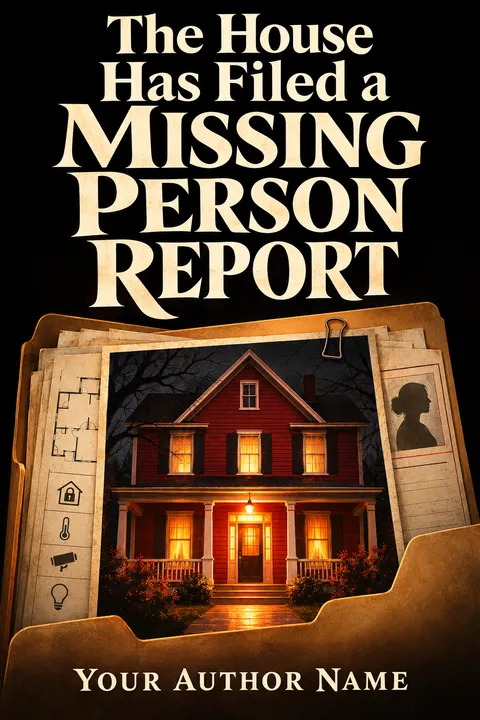
A home-systems inspector enters a house that insists its owner is missing while he stands beside her. Its records suggest the man has spent years teaching the building to recognize someone else.
Residents of a red-brick street receive an offer from the night to buy their daylight hours. A lampshade maker and a former shift planner investigate neighbors who seem delighted with the bargain, until the missing mornings begin erasing the things nobody thought to include in the price.
An adult eclipse cartographer hires a guarded mountain guide whose name changes with the moon. To expose a fraudulent sacred observatory, they must agree which secrets protect a person and which protect the powerful.
A scent archivist catalogs an abandoned hotel and finds one room recreating the smell of everyone who enters. When it begins preparing for a missing friend, she must decide whether recognition is an invitation or bait.
An estate hires a weather recorder to document the reassuringly ordinary fog around its new retirement cottages. Her measurements and a groundskeeper's missing garden tools suggest someone is using the landscape's Gothic reputation to keep residents from noticing a very earthly form of theft.
A dental technician receives dentures assembled from teeth that return to their original houses at night. One tooth keeps appearing inside the locked room where her mother vanished.
A bed-and-breakfast owner hears a polite voice thanking her for guests who have not arrived. A food-safety inspector notices the dining places change overnight, and together they investigate a house that understands hospitality as a contract nobody remembers signing.
A stone conservator finds a chapel whose carved faces complete themselves whenever someone in the village vanishes. The next unfinished face bears the childhood scar she has never shown anyone.
An adult widow hires a performer to haunt her ancestral estate and drive away a predatory buyer. When the false haunting begins answering questions neither conspirator asked, preserving her home requires facing what she actually wants to leave.
A hotel mattress restorer finds body impressions forming before the guests arrive. One empty bed has begun making room for a person she remembers burying.
A woman returns to her coastal family home as fog while her estranged sister remains flesh and blood. Learning how to welcome her without imprisoning her exposes the departures their family has always called betrayals.
A probate cleaner prepares a vacant house for sale and finds a second family eating breakfast behind a sealed wall. They insist the house was sold to them first, and their children have grown older overnight.
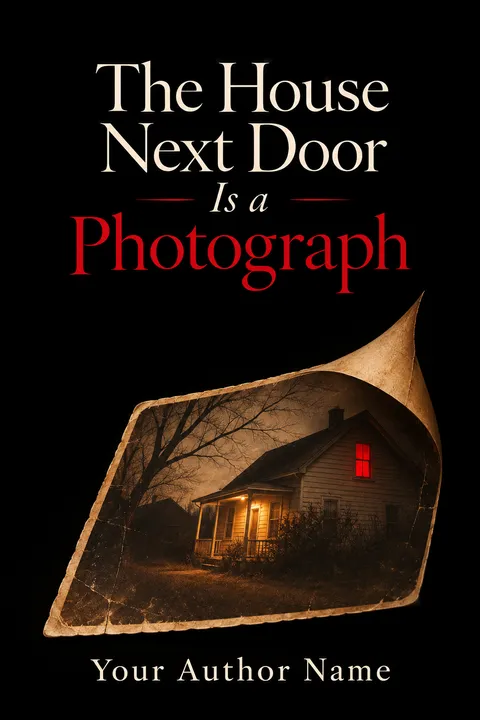
A property photographer discovers the neighboring house has no depth after sunset. The family inside keeps asking her to take a better picture before the last room fades.
In 1896, a portrait painter is hired to paint a living man's funeral portrait. Every sitter she chooses as a reference disappears from the household records.
A decorator restoring a seaside boarding house discovers that its wallpaper sheds in a perfect human shape. Every new layer remembers one guest the owner has forgotten.
A piano restorer hears a recital in a room that measures less than an inch deep. The owner offers her a fortune to tune the instrument without ever opening the door.
A dental technician makes a replacement tooth from an unidentified donor. Every night her client smiles in a language the rest of his face does not understand.
A horticulturist restoring an estate's winter garden finds an orchard growing beneath the ballroom floor. Its trees bear the names of people the family insists never lived there.
Choose a setting with a material history: a coastal house, a chapel, a hotel, or a room that no longer fits its building. Ask who built it, who maintained it, and whose account of its past became official. Give the protagonist a practical reason to enter and a skill that reveals details others overlook. Restoration, surveying, tailoring, and archival work can make a strange discovery feel earned. Introduce one precise impossibility before adding more: a reflection shows the wrong room, a statue changes overnight, or a garment carries an instruction nobody wrote. Decide which rules the reader can learn and which uncertainty the story will preserve. The strongest unease often comes from competing desires, such as wanting the comfort of a familiar place while suspecting what made that comfort possible. Avoid relying on constant shocks or unexplained reversals. Let each discovery change a relationship as well as the apparent history. These story starters include atmospheric openings, distinctive professions, and outlines you can adapt. Change the building, the concealed obligation, or the protagonist's reason for staying to develop a gothic novel with its own emotional architecture.