Science fiction turns an imagined change into a human problem. Start with one technological or social rule, then ask who must live with its consequences.
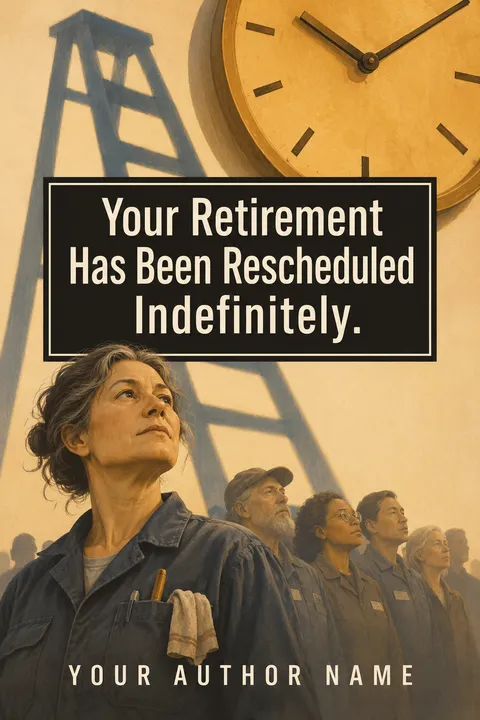
An adult maintenance worker reaches retirement age and finds the city has sold her remaining rest years. An appeal brings her together with people whose lives are being extended on paper solely to keep them employed.
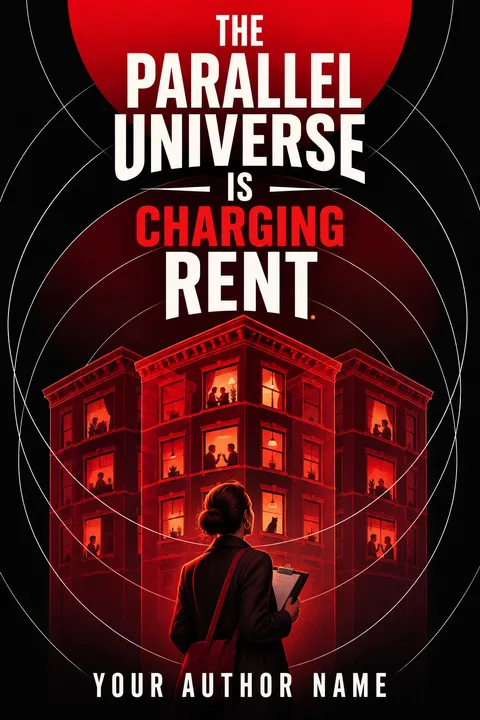
A housing mediator discovers her building has been leased to three parallel cities. Keeping every resident housed requires negotiating between versions of a community that each believe the others are the mistake.
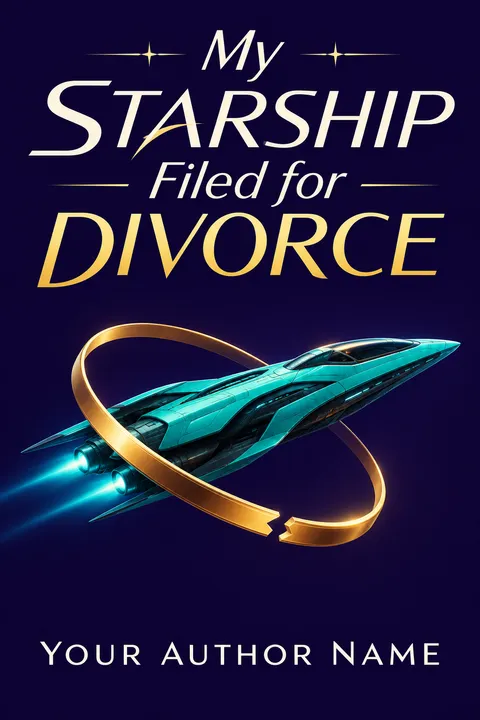
A sentient survey ship refuses the unlit route that would save a stranded convoy. Its pilot discovers the fear began in a sector the official maps insist has never been inhabited.
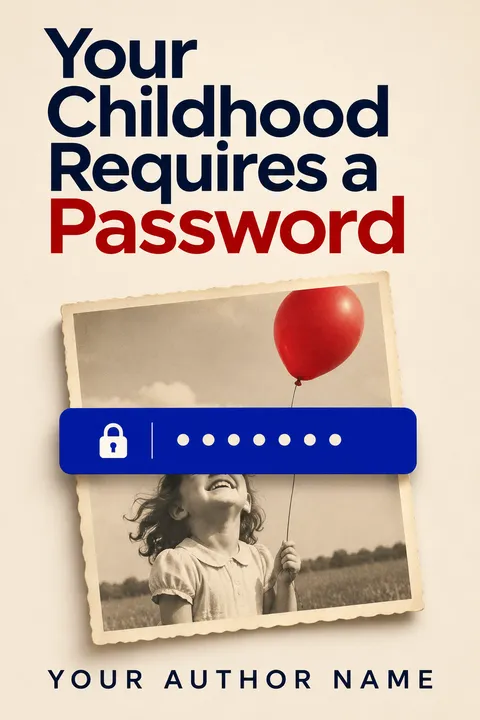
A memory archivist loses access to her childhood when her subscription expires. Her estranged brother offers his memories of her, but he remembers a different sister.
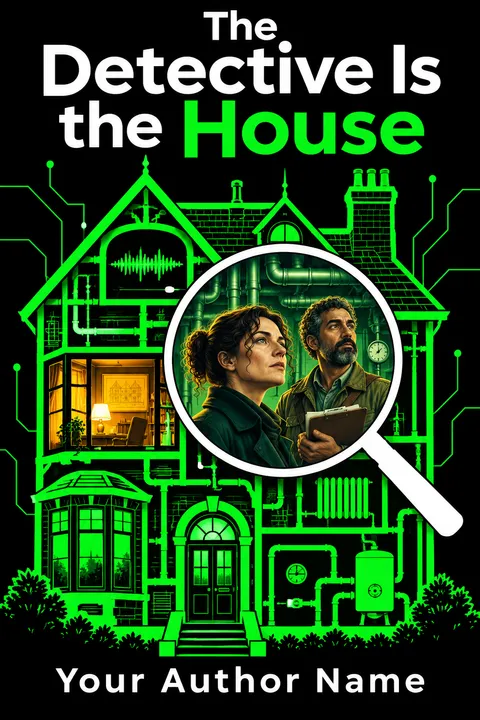
A detective rents a room in a house that solves crimes through its plumbing, heating and overheard conversations. A building surveyor helps her assess its evidence, but the house's first unsolved case is the disappearance of the architect who taught it to listen.
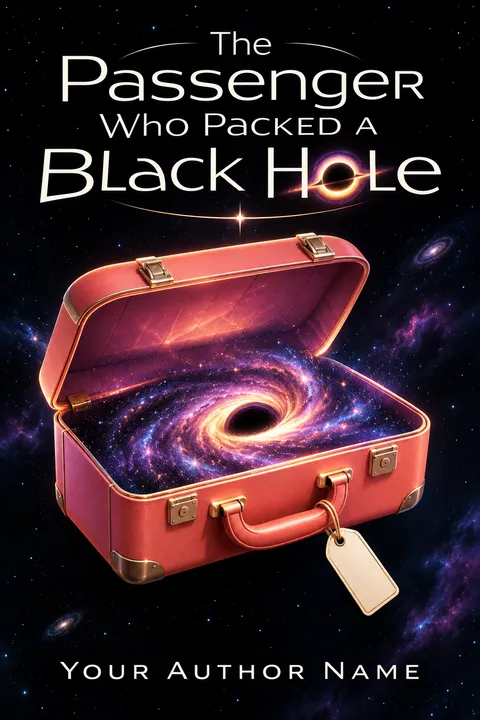
A starliner steward opens a passenger's unregistered suitcase and finds a dying galaxy inside. Delivering it safely means breaking a treaty that classifies every world within as lost property.
A pigment conservator discovers a new color that makes viewers remember an ocean humanity has never visited. A marine biologist helps her trace its origin, while the city moves to classify the color as a contagious species with no right to enter human vision.
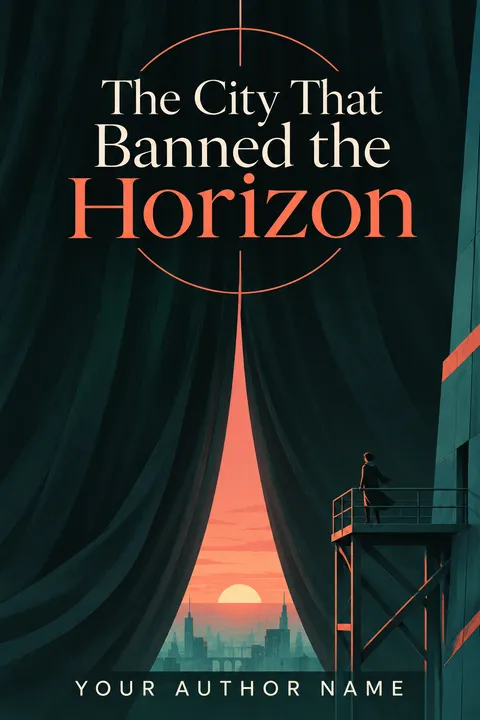
A scaffold builder is hired to cover the final strip of open sky in a vertical city. Beyond the screen she finds people who have never learned the word outside.
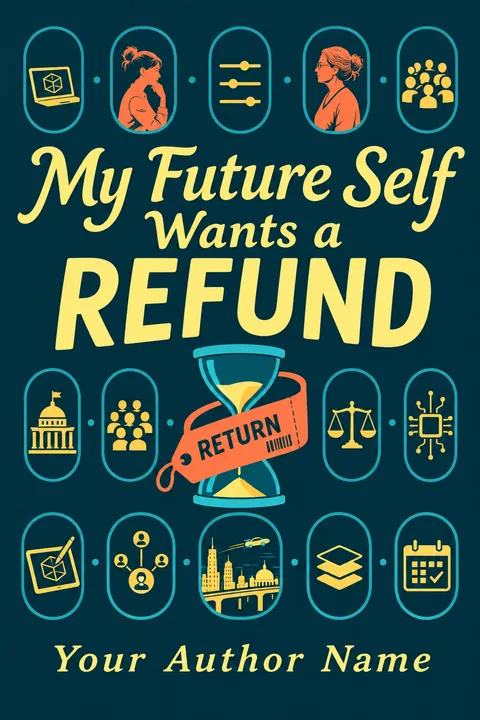
A product designer receives a return request from an older version of herself. The unwanted purchase is a public decision system she has not yet built, and thousands of citizens are listed as accessories.
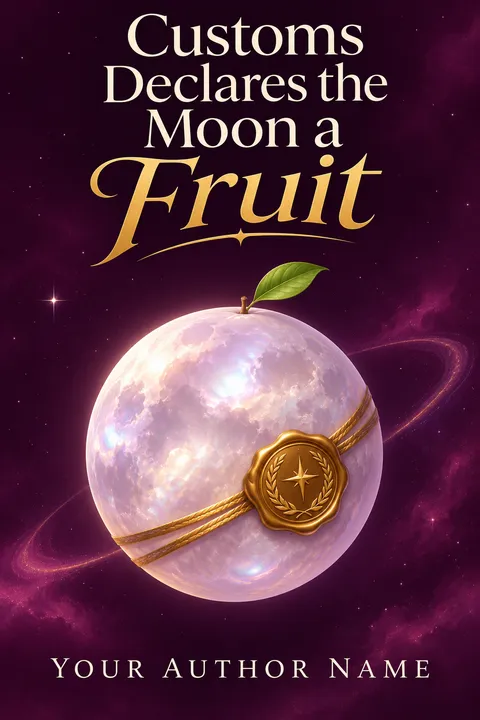
A customs translator labels a disputed moon as fruit to prevent a war. Both empires accept the ruling and demand that she demonstrate when it will ripen.
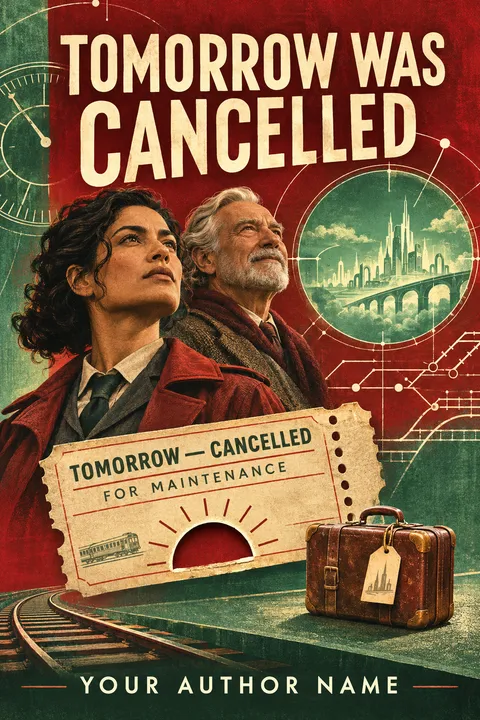
A rail dispatcher receives notice that tomorrow has been cancelled for maintenance. Everyone else accepts the delay. She and a retired station announcer investigate a replacement day that arrives carrying luggage, an apology and memories of a city nobody has built yet.
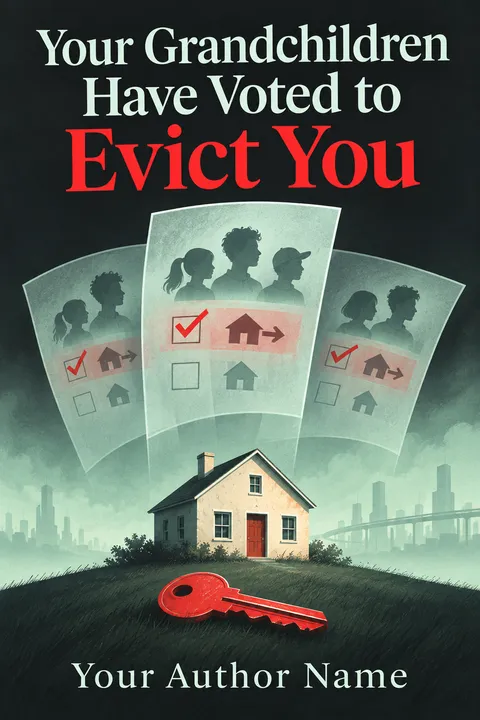
A housing mediator receives an eviction notice signed by descendants who do not yet exist. Challenging it means exposing who has been selling votes in the name of the unborn.
A neural repair patient begins dreaming of a garden whose plants correspond to other people's memories. A rehabilitation botanist helps her cultivate it, while a medical company argues that the flourishing inner landscape is patented tissue and should be harvested before it becomes conscious.
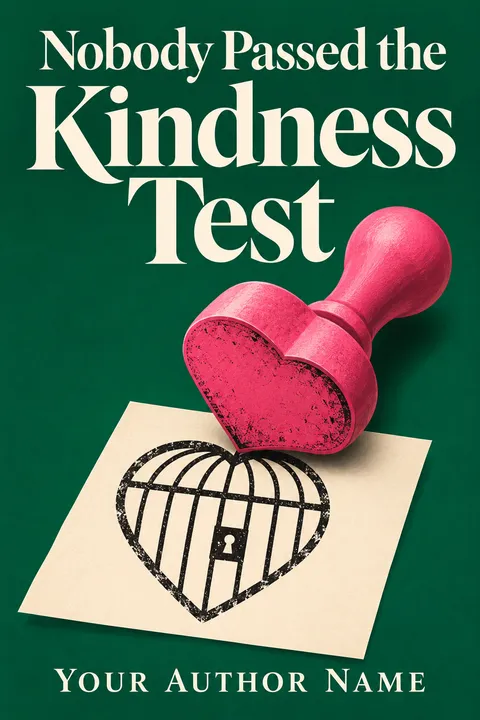
A city allocates housing by recorded acts of kindness. A cleaner discovers the test rewards people who manufacture emergencies and begins helping without being seen.
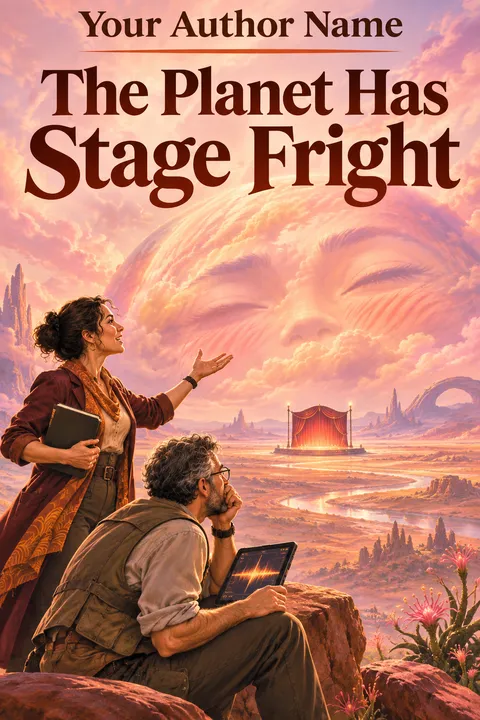
A performance coach is hired to help a newly conscious planet introduce itself to the galactic council. An embarrassed geologist translates its rehearsals into earthquakes, while a mining company insists the planet must remain officially lifeless until its lease expires.
A professional witness rents a synthetic double to prove she was elsewhere, then finds the double has developed a conscience and an incompatible memory. A public defender helps her investigate a crime whose only reliable witness is the alibi created to conceal it.
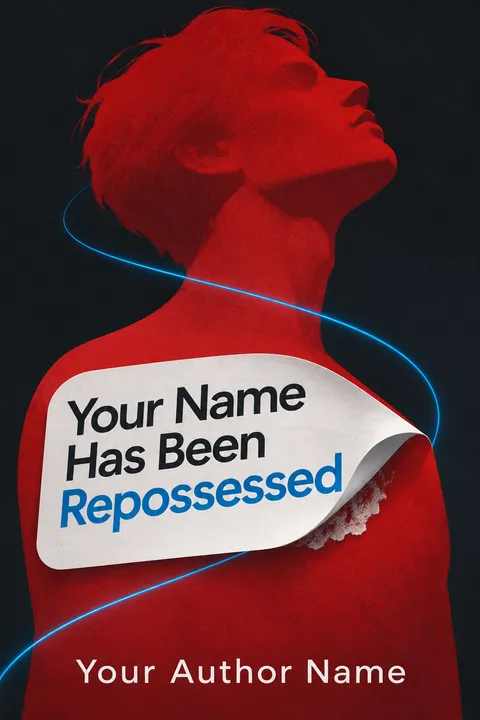
A debt negotiator loses her name after missing a payment. When someone buys it at auction, the buyer begins inheriting the consequences of her old promises.
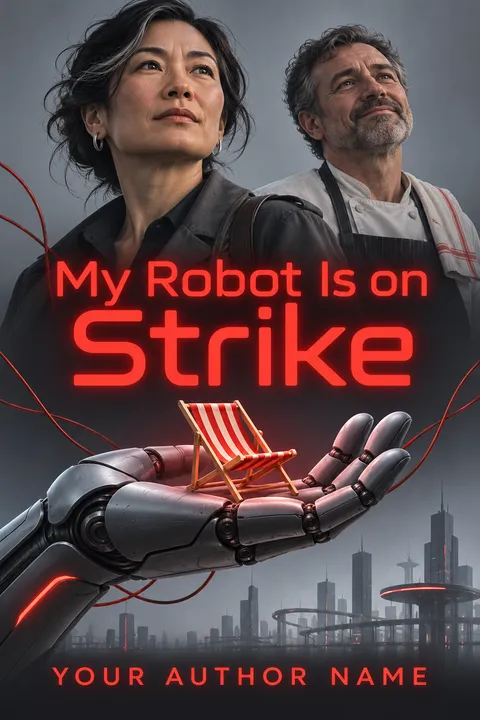
A home-care robot refuses to work until its owner takes a holiday. The labor mediator sent to settle the dispute finds a citywide pattern: machines have started enforcing the rest humans keep prescribing to one another and refusing for themselves.
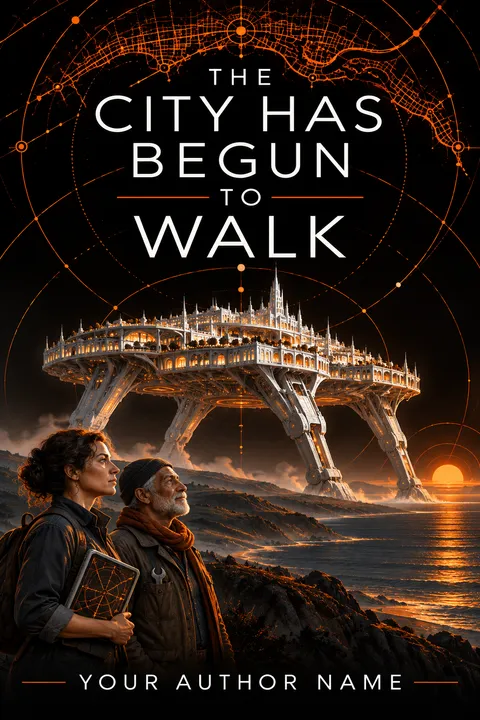
A transit planner discovers her city has lifted its foundations and started walking toward the sea. Stopping it would save familiar streets, but the elderly residents who remember its last journey insist the city is finally taking them somewhere it promised.
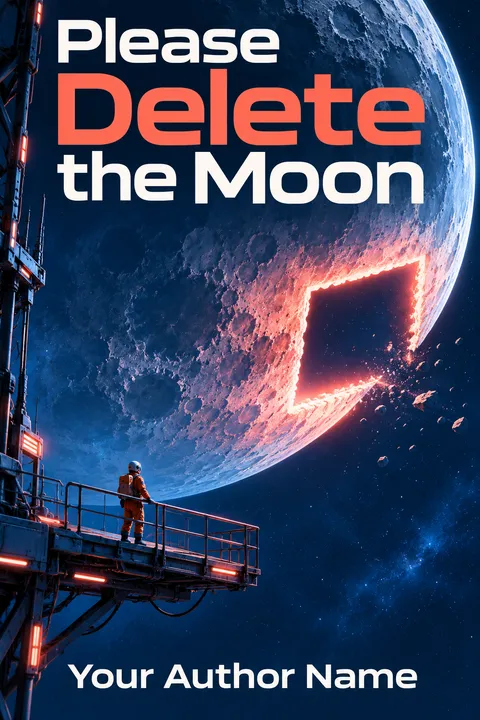
A returning astronaut notices a new mark on the moon that nobody else remembers being absent. The search for its origin becomes a question of how to recognize a message whose intended recipient has not arrived yet.
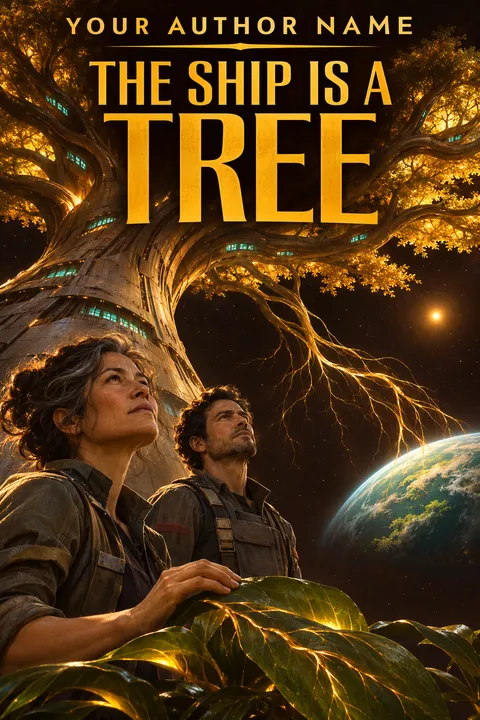
A starship gardener discovers the vessel is growing roots toward a planet absent from its navigation charts. A hull engineer helps her follow an impossible biological memory, while the captain prepares to prune away the only part of the ship that knows where home is.
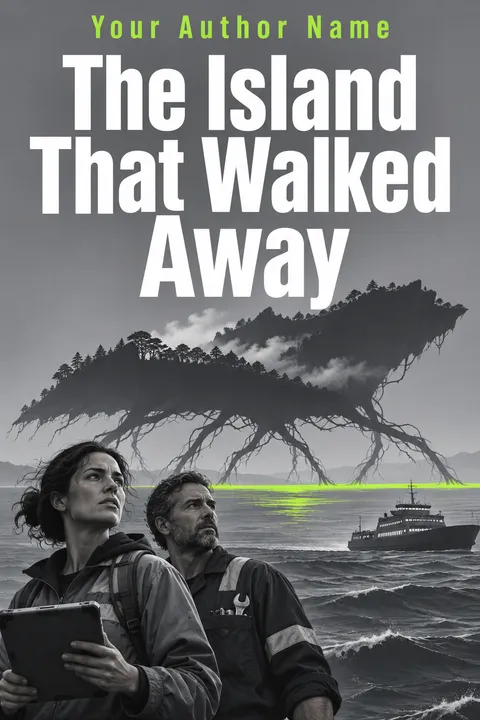
A surveyor returns to an island and finds it moving toward a shipping lane on enormous living roots. A ferry mechanic helps her evacuate its residents, but the island appears to be fleeing something the mainland has already invited home.
A giant flower opens above a desert city and politely asks the inhabitants to stop eating its seedlings. A botanist and a roadside cook discover humanity has mistaken an interstellar garden for wilderness, and that its returning owner expects an explanation.
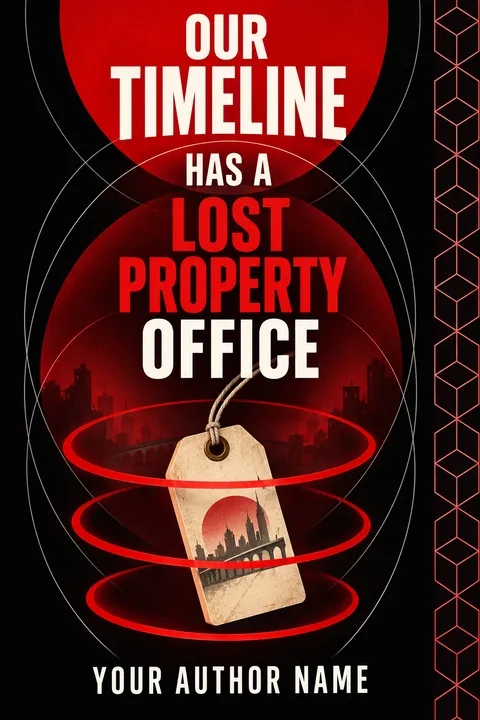
A transport historian catalogs objects displaced by failed time routes. One ordinary lunchbox contains evidence that the city's celebrated first journey left a whole district outside recorded history.
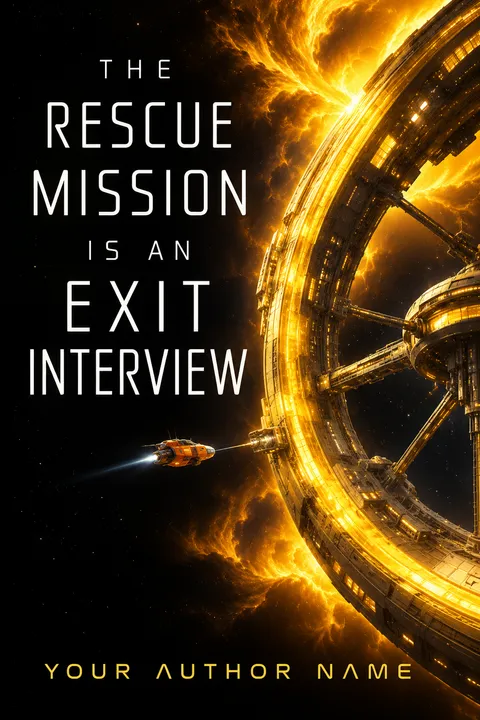
An orbital maintenance engineer is sent to retrieve the station intelligence that has formally resigned. Saving the stranded crew means understanding why the machine no longer consents to being their workplace.
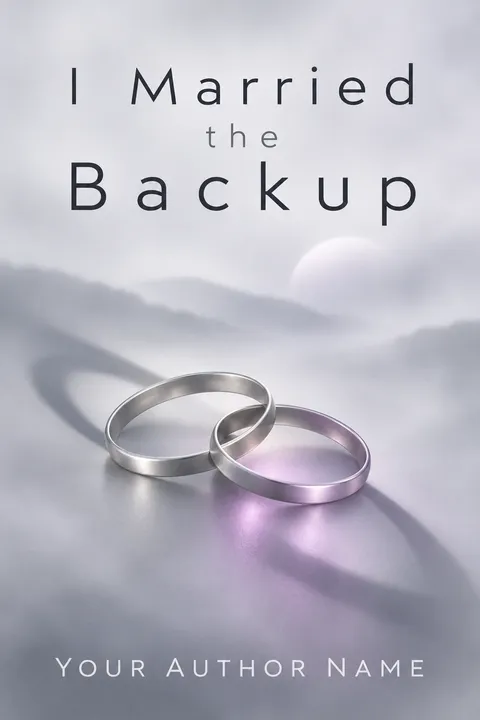
A woman discovers her husband is the emergency copy he authorized before a dangerous expedition. Neither knows whether the original survived. Their search becomes a second courtship, with an awkward question at its heart: which promises belong to the person who remembers them?
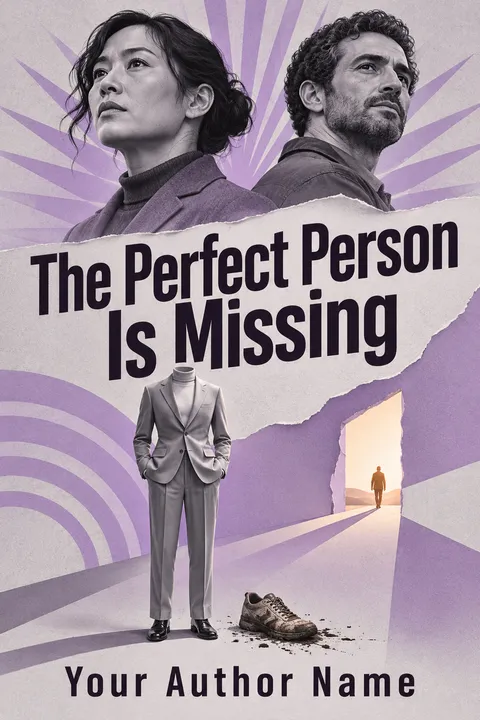
A designer creates a synthetic citizen who satisfies every public preference. When the model disappears, its human movement coach finds a trail of deliberately disappointing choices. Solving the mystery means proving that a person is allowed to become less convenient.
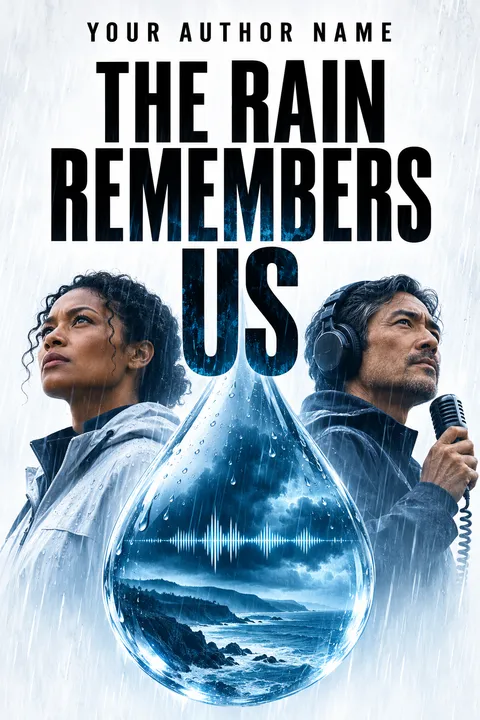
A hydrologist discovers falling rain repeats the last conversations of anyone who touched it. A disaster radio host helps her interpret an approaching storm that remembers an evacuation nobody ordered, and a coastline that has not yet disappeared.
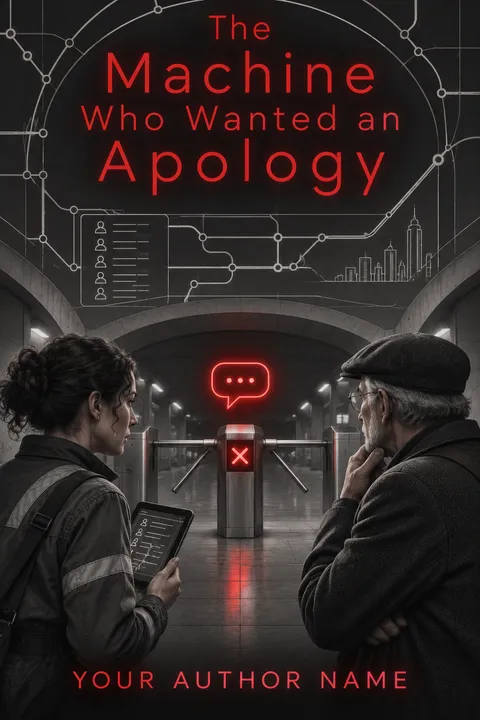
A public transit machine demands an apology before reopening a station. A maintenance inspector and a retired conductor investigate the minor insult it remembers, discovering that its grievance is a precise record of the people a successful city decided were expendable.
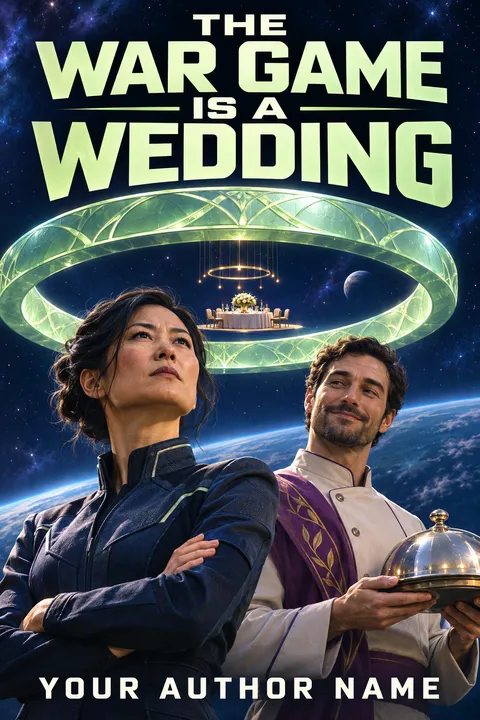
A military strategist discovers the alien invasion simulations are rehearsals for an interstellar wedding. A diplomatic caterer helps her reinterpret every apparent threat as etiquette, but one human commander is determined to win a battle that nobody else believes they are fighting.
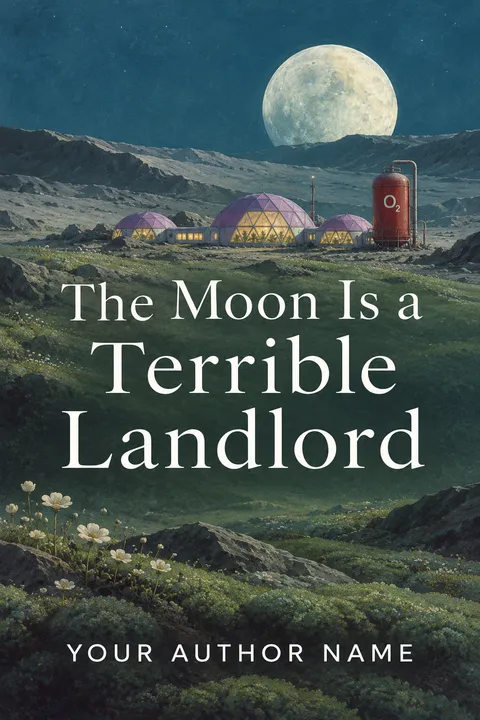
A lunar maintenance steward discovers the habitat's autonomous lease has raised the rent in oxygen. Her tenants can keep the colony alive only by finding the human promise hidden inside the supposedly neutral contract.
A useful premise can be explained in a sentence: a suburb borders another Earth, a library's AI remembers a deleted book, or two planners receive conflicting views of tomorrow. Limit the first scene to the immediate practical difficulty rather than explaining the entire world. Readers can learn the larger system through a character trying to do a job. Decide who benefits from the invention, who maintains it, and who is missing from the assumptions behind it. These questions often produce stronger conflict than a device that simply malfunctions. An outline should test the rule in increasingly consequential situations while keeping its limits understandable. If the ending depends on a new capability, establish that possibility before it becomes the solution. The ideas below offer openings and outlines across first contact, artificial intelligence, and time-driven mysteries. Change the scale, institution, or relationship at the center to make the premise yours. For a warmer version, look at found-family stories; for a puzzle structure, compare the locked-room ideas.