Science fiction turns an imagined change into a human problem. Start with one technological or social rule, then ask who must live with its consequences.
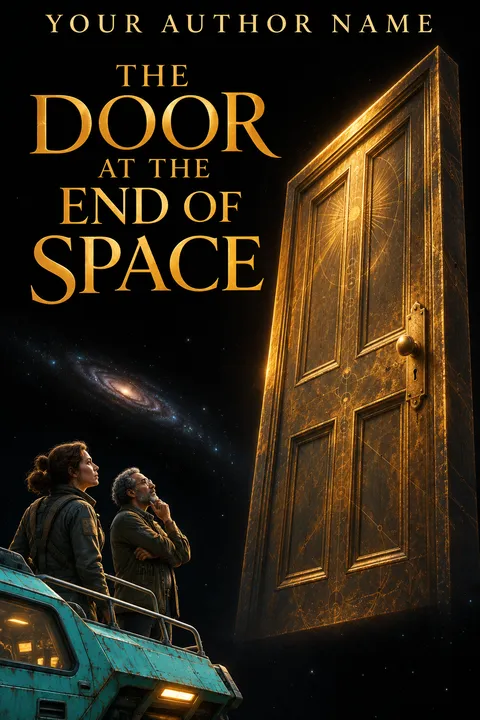
A salvage pilot reaches the universe's edge and finds an ordinary front door. The locksmith she brings back hears someone trying the handle from the other side, but the oldest marks suggest the door was built to keep humanity in.
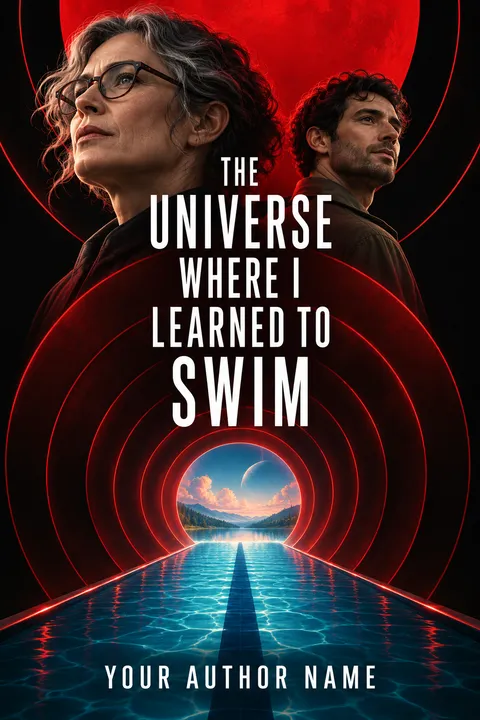
A physicist reaches a parallel world where she made a childhood choice she has avoided ever since. Returning home means choosing which possibilities to keep open without treating another family's life as a better version of her own.
A useful premise can be explained in a sentence: a suburb borders another Earth, a library's AI remembers a deleted book, or two planners receive conflicting views of tomorrow. Limit the first scene to the immediate practical difficulty rather than explaining the entire world. Readers can learn the larger system through a character trying to do a job. Decide who benefits from the invention, who maintains it, and who is missing from the assumptions behind it. These questions often produce stronger conflict than a device that simply malfunctions. An outline should test the rule in increasingly consequential situations while keeping its limits understandable. If the ending depends on a new capability, establish that possibility before it becomes the solution. The ideas below offer openings and outlines across first contact, artificial intelligence, and time-driven mysteries. Change the scale, institution, or relationship at the center to make the premise yours. For a warmer version, look at found-family stories; for a puzzle structure, compare the locked-room ideas.