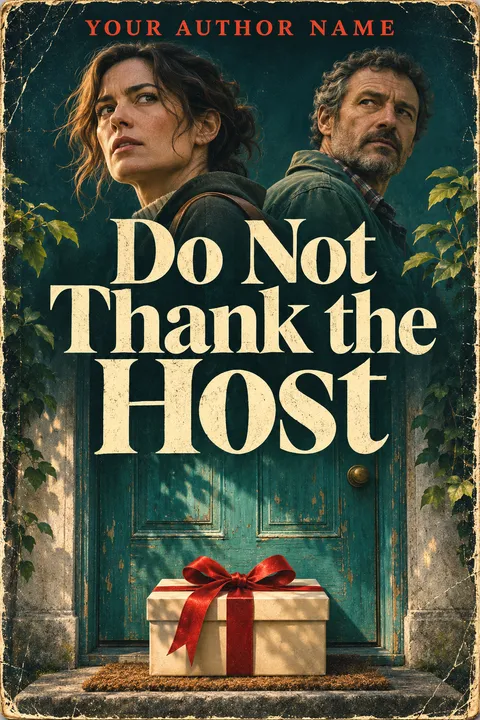
A professional house sitter is welcomed with an extravagant gift that the absent host demands she publicly praise. A neighboring gardener recognizes a pattern among former guests, and they investigate how gratitude has become a contract that makes leaving look like a moral failure.
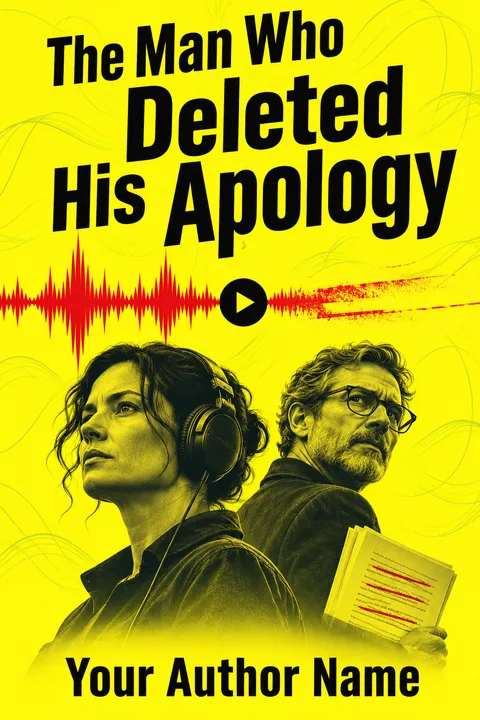
An audio archivist is hired to restore a public apology that was never broadcast. A former speechwriter recognizes edits that make the speaker sound guilty of a different wrong, and the pair must decide who benefits when a confession becomes more useful than the truth.
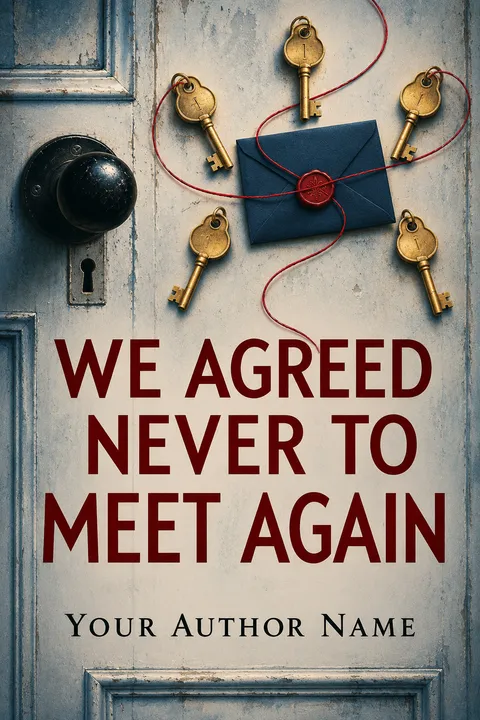
A conference interpreter returns to the hotel where she once helped conceal an accident. Five former strangers have booked the same room for the same night, each claiming she invited them.
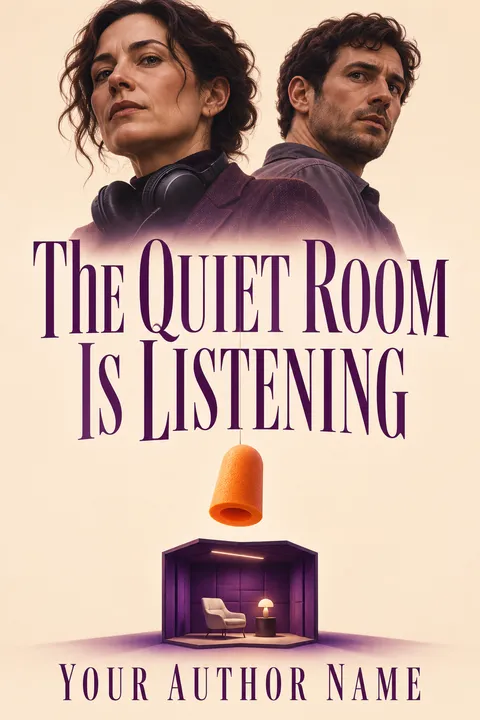
An acoustic consultant is hired to certify a luxury retreat's silent room, but recordings contain conversations from guests who never entered it. A former receptionist recognizes the voices and helps investigate a business that has mistaken privacy for something it can collect and resell.
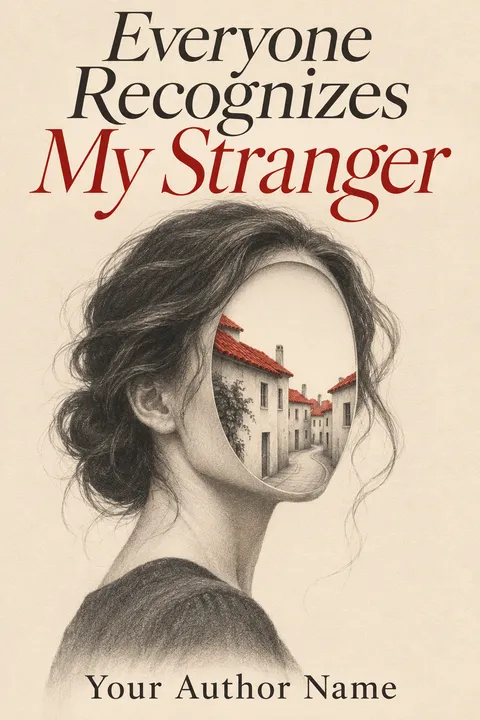
A forensic sketch artist invents a face during an exhausted interview. Every shopkeeper in town claims to have known that man for years, including her father.
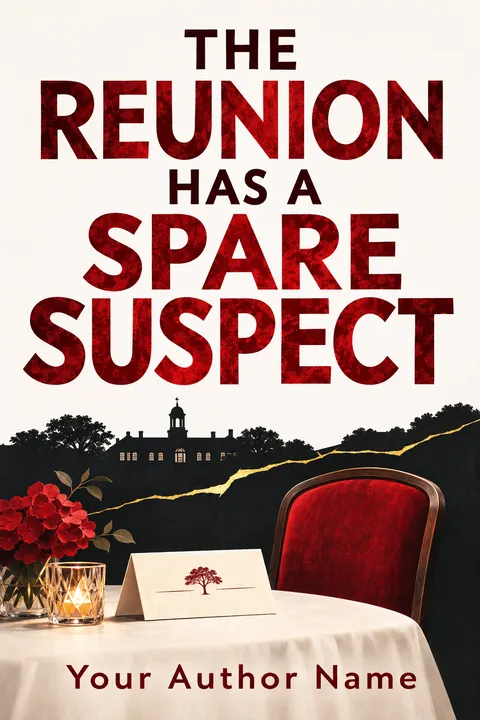
A school reunion organizer finds an extra name on a memorial list: a woman sitting alive at the dinner table. Untangling the mistake exposes a crime the class has agreed to remember as kindness.
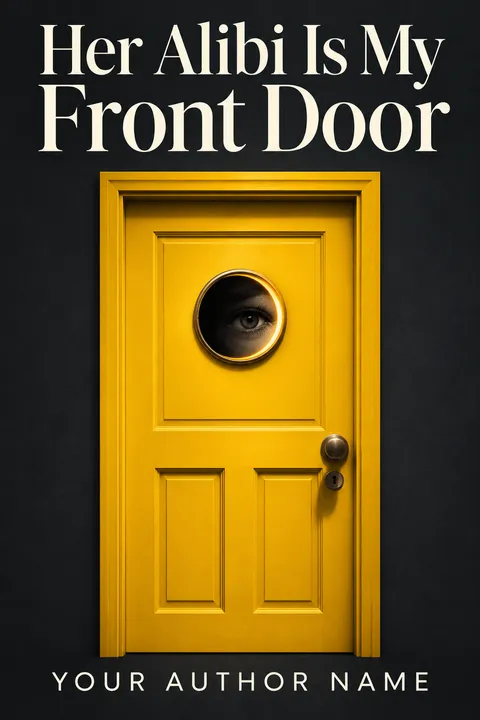
A woman finds that a stranger has used her front door in seventeen perfectly verified alibis. The doorbell footage shows her welcoming the stranger every time.
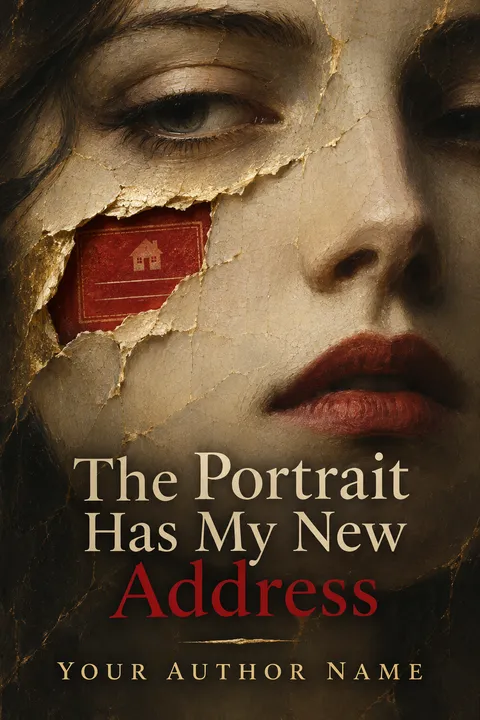
A portrait restorer finds her new address beneath a stranger's painted signature, dated before she chose the flat. Each layer she removes reveals a move someone expected her to make.
An effective psychological-thriller idea gives the protagonist something practical to do before it gives them a reason to doubt everything. Choose a job, relationship or obligation that grants access to evidence: insurance claims, a doorbell recording, a witness interview or a public statement. Establish what normally happens, then introduce one contradiction the reader can understand. Suspense grows when explaining that contradiction would cost the protagonist something they value. Decide what they have concealed and distinguish that from what an opponent is doing to them. An unreliable viewpoint can be fair if the clues remain visible and later change meaning. Avoid using a diagnosis as a shortcut for danger or a final stranger as a substitute for an earned reveal. Build an outline that changes the balance of knowledge several times, with each discovery requiring a choice. The ideas on this shelf include original openings, casts and ten-beat outlines. Change the profession, the first compromise and the chain of proof to create a fresh version with its own emotional stakes.