A mystery idea starts with a question the reader wants answered and evidence that can be interpreted more than one way. Build the solution before hiding it.
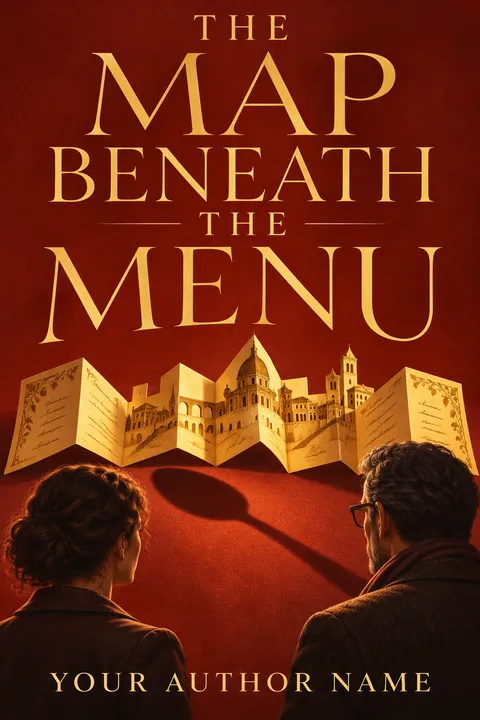
A restaurant conservator discovers that menus from a vanished dining society form a map only when the prices are ignored. A food historian follows her through an invented city's public kitchens, where the supposed treasure may be a debt powerful families prefer to forget.
A street tailor discovers her shadow has acquired an online identity, a salary and a better credit score. A network investigator helps her find its employer, while the shadow begins purchasing objects that suggest it is preparing to leave her body.
A detective arrives to investigate a robot's murder and finds the supposed victim cheerfully serving breakfast. A forensic mechanic discovers the crime scene is a rehearsal, constructed by a machine trying to learn which kind of death would finally make its disappearance matter.
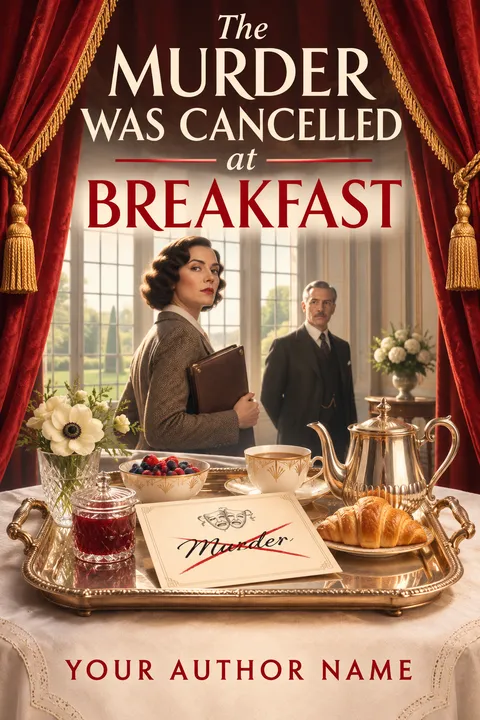
In 1927, a touring stage manager receives a cancellation note for a murder nobody admits commissioning. When a dinner guest dies that evening, the household insists she supplied the script.
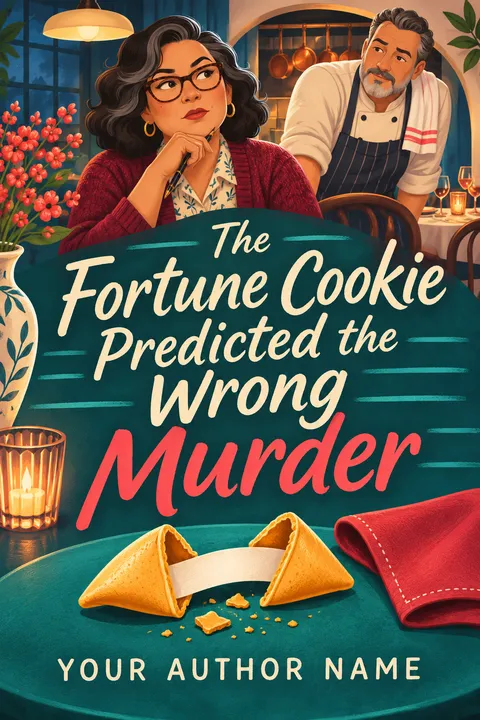
A retired actuary receives a joke prediction at her supper club, then a different guest dies. Proving who swapped the messages requires separating a staged prank from an opportunistic murder.
A shoe repairer notices every spell in the city fleeing when she enters a room. The magician sent to contain her discovers that magic remembers a promise made before either of them was born, and being feared may be the only power she must refuse.
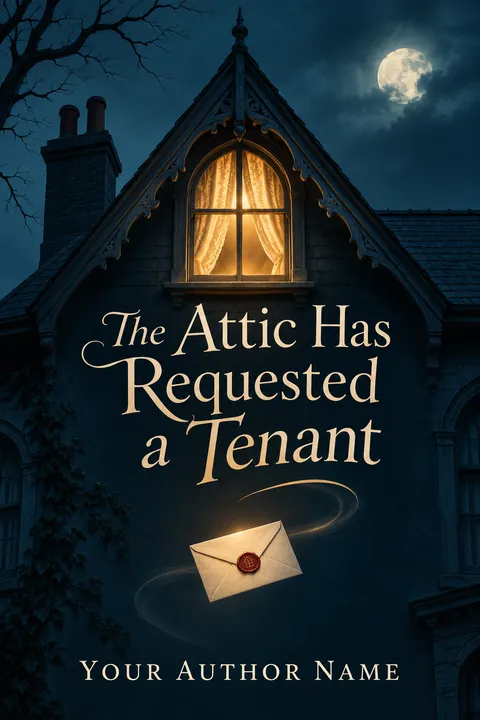
A 1908 manor advertises a haunting to conceal embarrassing plumbing, then finds that its invented ghost has started answering letters. The housekeeper and a sanitation engineer must identify the correspondent before a harmless fiction becomes a profitable reason to keep the household dependent on a lie.
A town's memory keeper goes fishing and leaves her newest assistant in charge of everyone's past. A repairman helps him manage memories that have started visiting one another, while the absent keeper follows the one recollection she has never been allowed to keep.
An astronomer translates a signal that apologizes for an event humanity cannot remember. An antiquities restorer finds evidence that the apology has arrived before, each time replacing the people who heard it with a kinder version of themselves.
In 1931, an alpine funicular arrives with one dead passenger and no tracks leading to the upper station. A ticket inspector must solve a journey someone has counted from the wrong end.
A beekeeper notices an extra pallbearer at her rival's funeral. The stranger disappears, leaving a jar of honey from a hive that was destroyed twenty years earlier.
A luxury coach advertised as a cruise on wheels fails to leave its departure car park, yet a passenger's suitcase arrives at the destination without them. The driver and a retired luggage clerk investigate how a journey nobody took could produce so many carefully coordinated lies.
A lunar surveyor finds a porch light where no settlement has ever existed. A carpenter joins her to inspect a house that grows a new room for every visitor, and discovers the Moon has been preparing for company much longer than humanity has been alive.
A retired sleep-lab technician judges a village nap contest and finds one entrant impossible to wake. The fair-clue mystery turns on who heard a snore that never happened.
A detective rents a room in a house that solves crimes through its plumbing, heating and overheard conversations. A building surveyor helps her assess its evidence, but the house's first unsolved case is the disappearance of the architect who taught it to listen.
In 1952, an etcher is asked to authenticate a newspaper image of a murder scene. The photograph is genuine, the caption is false, and the person who commissioned the forgery has just disappeared.
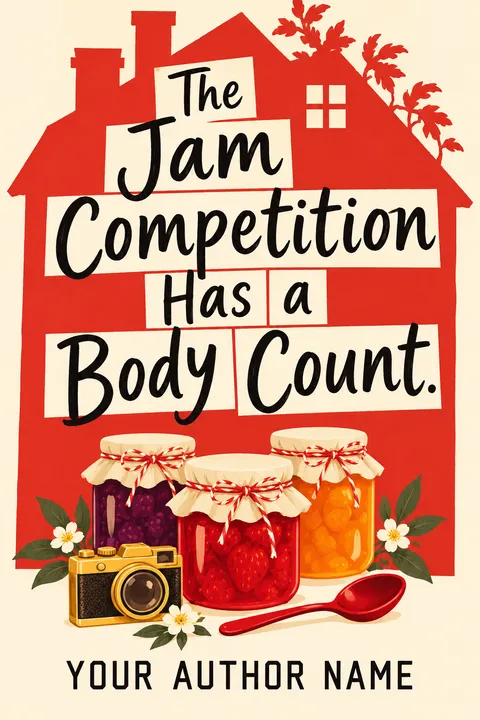
A retired food photographer investigates two suspicious deaths linked by an empty preserving jar. The decisive clue is in the competition pictures, where a judge is holding the wrong spoon.
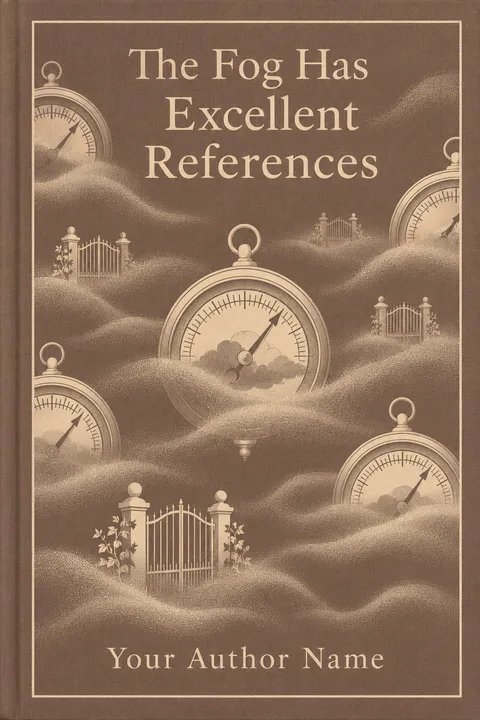
An estate hires a weather recorder to document the reassuringly ordinary fog around its new retirement cottages. Her measurements and a groundskeeper's missing garden tools suggest someone is using the landscape's Gothic reputation to keep residents from noticing a very earthly form of theft.
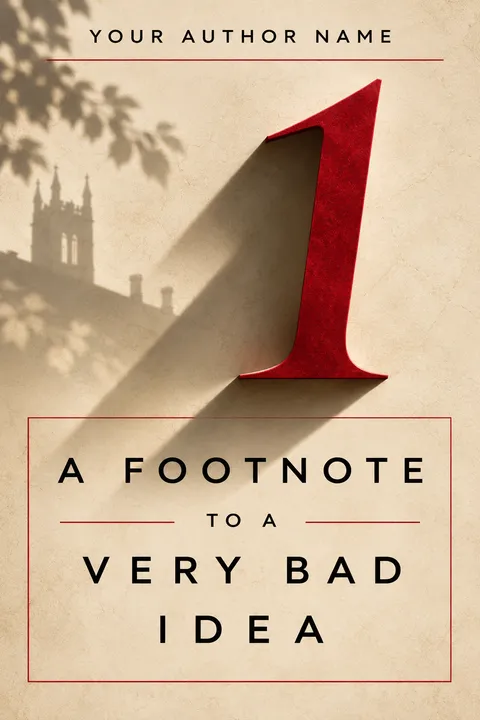
An academic copyeditor discovers that footnotes in an unpublished manuscript predict small acts of sabotage around campus. The retired scholar named in its acknowledgments insists the book is a joke, but every attempt to remove a reference gives someone a more dangerous idea.
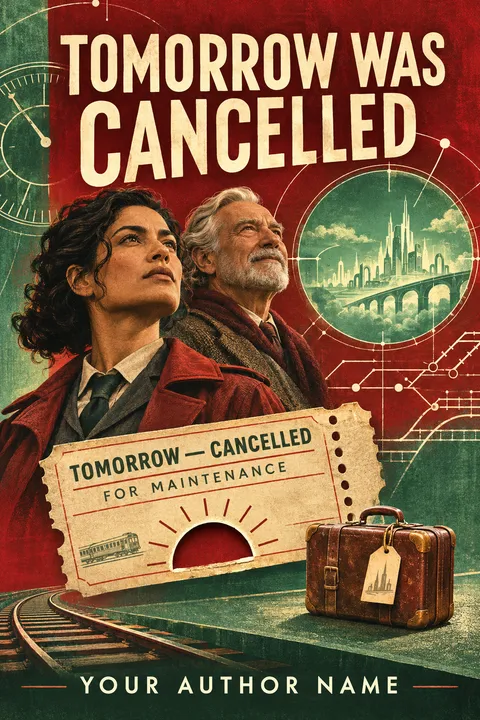
A rail dispatcher receives notice that tomorrow has been cancelled for maintenance. Everyone else accepts the delay. She and a retired station announcer investigate a replacement day that arrives carrying luggage, an apology and memories of a city nobody has built yet.
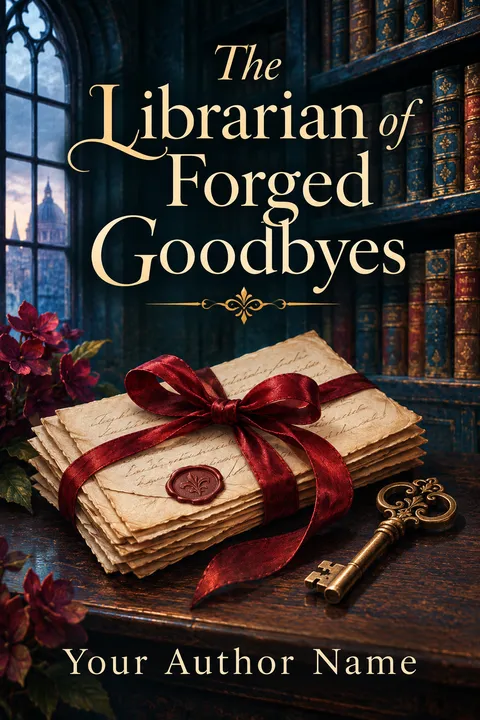
In 1899, an estate librarian discovers farewell letters written in the hands of people who never left. A collector's death turns her quiet catalog into a list of suspects still waiting to be addressed.
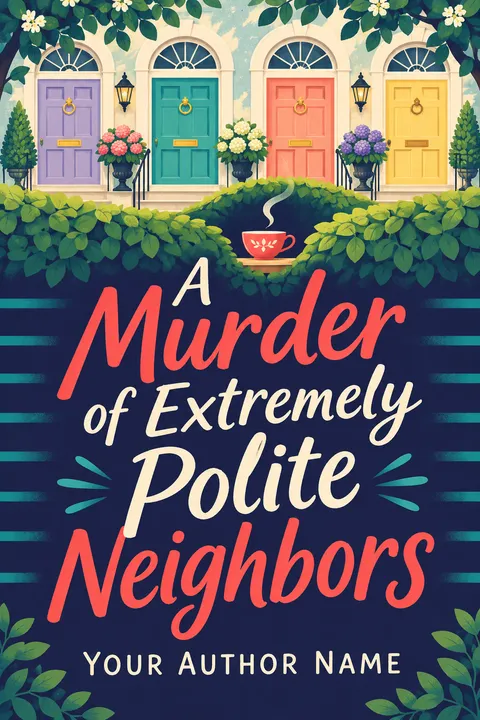
A neighborhood mediator finds every resident has submitted an unsolicited alibi for the same death. Their perfectly courteous accounts reveal which small conflict nobody is willing to name.
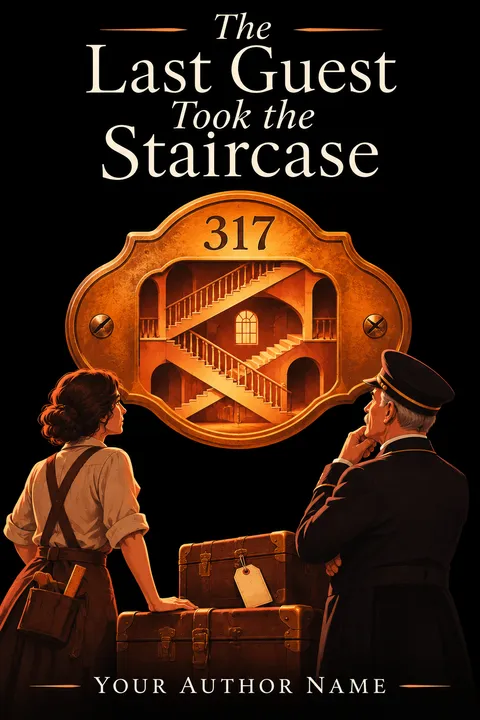
In 1932, a hotel closes for renovation and its grand staircase is dismantled, revealing luggage belonging to a guest who never checked out. A carpenter and the night porter trace the labels, discovering that someone has spent years making one ordinary departure look impossible.
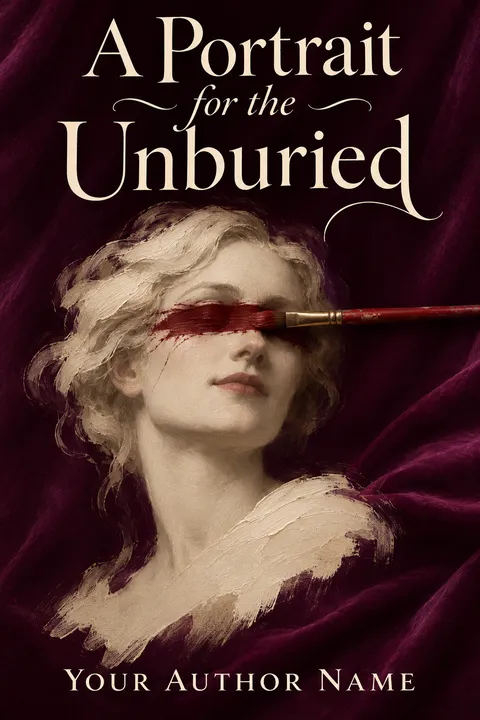
In 1896, a portrait painter is hired to paint a living man's funeral portrait. Every sitter she chooses as a reference disappears from the household records.
Every finalist withdraws from a town's beloved Good Neighbor award after receiving a blank card. The florist making the winner's bouquet and a retired registrar investigate why an honor worth almost nothing has frightened people who are usually delighted to be praised.
A mobile librarian finds a dead man clutching a return slip for a book that never existed. Every village on her route insists it lent him the same title.
A professional witness rents a synthetic double to prove she was elsewhere, then finds the double has developed a conscience and an incompatible memory. A public defender helps her investigate a crime whose only reliable witness is the alibi created to conceal it.
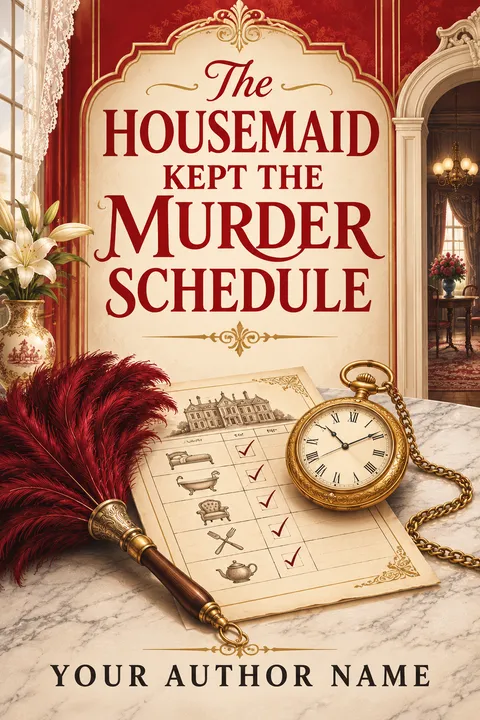
In 1897, a housekeeper's assistant tracks a mansion's rooms by the work required to maintain them. A guest's death turns her cleaning rota into evidence the household cannot dismiss without exposing its secrets.
A dog groomer finds the show's winning owner dead before the trophy photograph. The winning dog has never learned the trick everyone claims to have watched it perform.
At a 1931 charity gala, a jewel-rental clerk realizes every necklace in the ballroom is an imitation, including the one she delivered. A dance instructor helps her trace the substitutions before the patrons discover that the evening's charitable promise may be rented too.
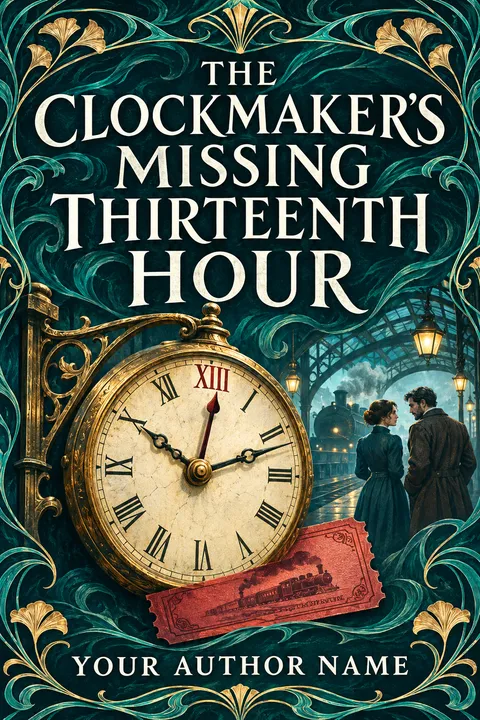
In 1888, a railway clockmaker finds a death recorded between two official hours. A timetable correction could save an accused porter, if she can prove whose clock the station agreed to believe.
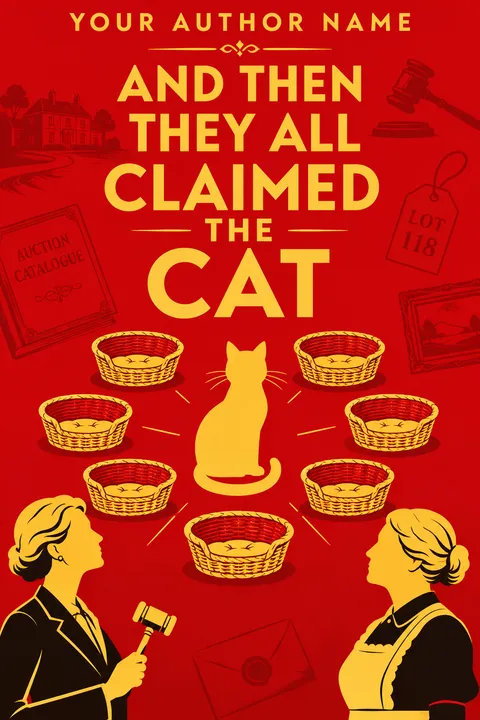
Seven guests at a country auction insist the same ordinary cat belongs to them. The auctioneer and the housekeeper investigate their incompatible stories, discovering the animal has been visiting homes connected by a sale nobody wants listed in the catalogue.
Choose an investigator whose ordinary skills let them notice something the official account misses. A florist reads delivery instructions differently from a registrar, while a wedding planner understands how a seating change rearranges a room. Give the crime a practical sequence: who arrived, what moved, which record was changed, and why the apparent explanation seems reasonable. Then choose clues readers can actually encounter in the opening and subsequent scenes. A surprising solution should reorganize known information rather than introduce an unknown culprit at the end. Suspects need reasons to conceal something even when they did not commit the central crime. That allows interviews to change the story without making every lie an admission of murder. The ideas below include distinctive premises, opening scenes, and ten-beat outlines. Use them to test your own clue chain, alter the setting, or build a recurring amateur investigator. Explore the locked-room collection for impossible circumstances and the small-town-secrets collection for a cast whose relationships complicate the evidence.