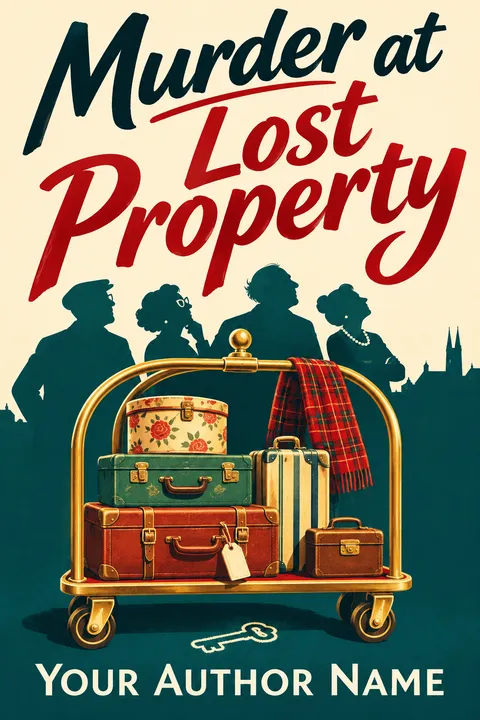
Murder at Lost Property
A railway lost-property clerk finds a suitcase containing a death certificate for a passenger who is still asking for it.
 ImagineYourBook
A mystery idea starts with a question the reader wants answered and evidence that can be interpreted more than one way. Build the solution before hiding it.
A railway lost-property clerk finds a suitcase containing a death certificate for a passenger who is still asking for it.
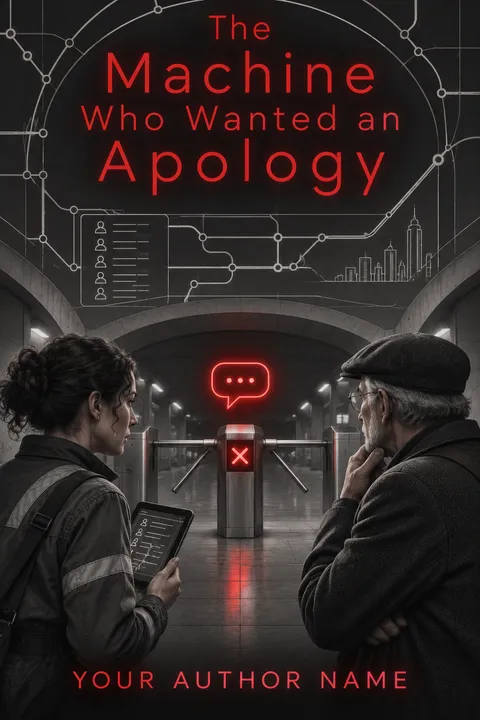
A public transit machine demands an apology before reopening a station. A maintenance inspector and a retired conductor investigate the minor insult it remembers, discovering that its grievance is a precise record of the people a successful city decided were expendable.
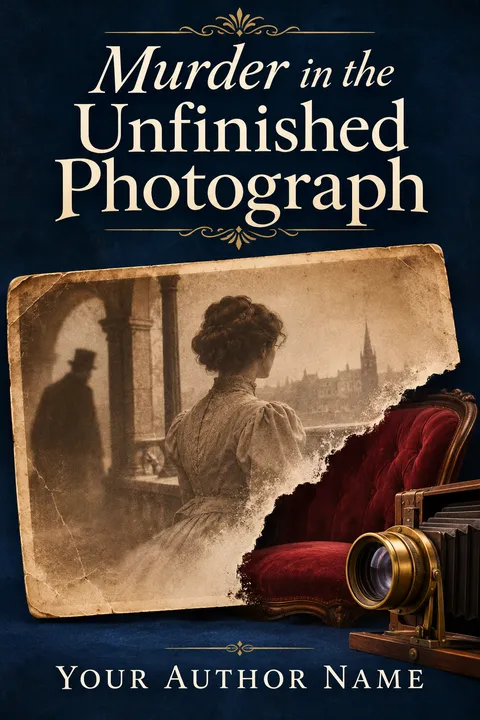
In 1912, a photographer develops a portrait containing a body the room could not have held. The missing final exposure is the only witness who can put the scene back in order.
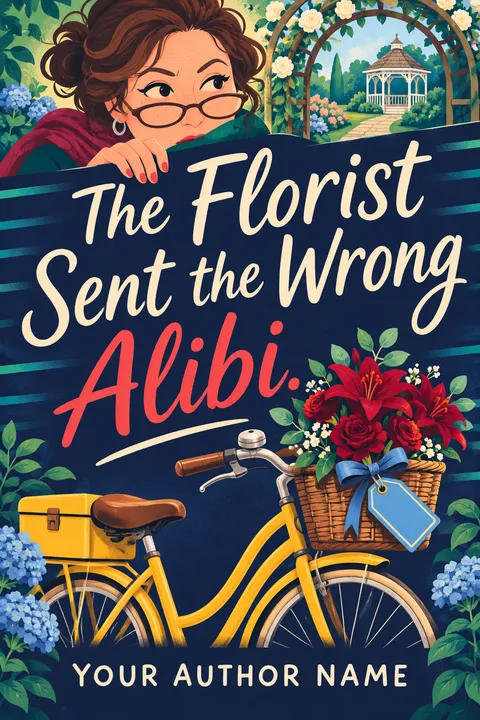
A widowed delivery driver brings funeral flowers to a man who insists he is not dead. Correcting the order leads her to a real victim and a bouquet arranged to misstate the time of arrival.
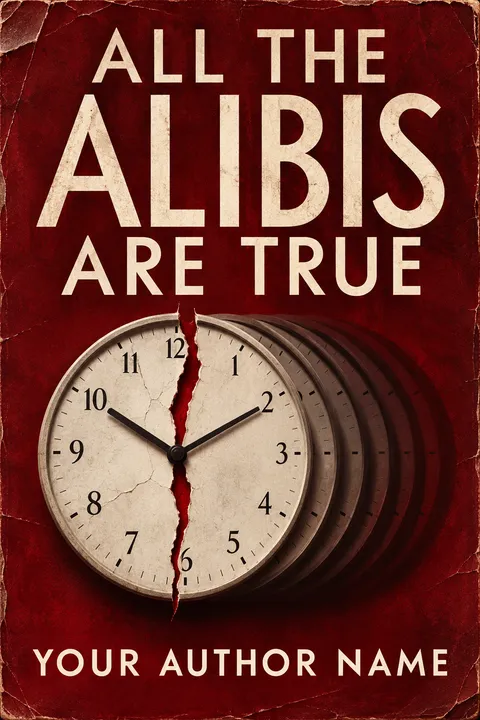
A detective proves every suspect was elsewhere when a judge died.
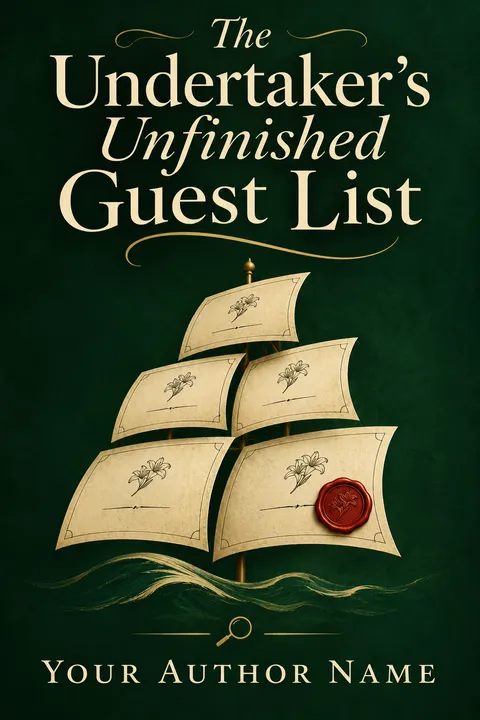
In a fictional 1904 port, an undertaker receives five advance funeral bookings from passengers on a ship that arrived with no deaths. Her assistant recognizes every signature.

Twenty years after a minor ferry accident, every survivor receives an invitation to a luxurious reunion, including a woman who never boarded. An insurance archivist and a skeptical caterer investigate why someone needs one extra guest to remember the wrong evening.

A celebrant prepares a widower's memorial service and discovers that six living husbands have ordered the identical speech. Someone has forged a marriage worth killing for.
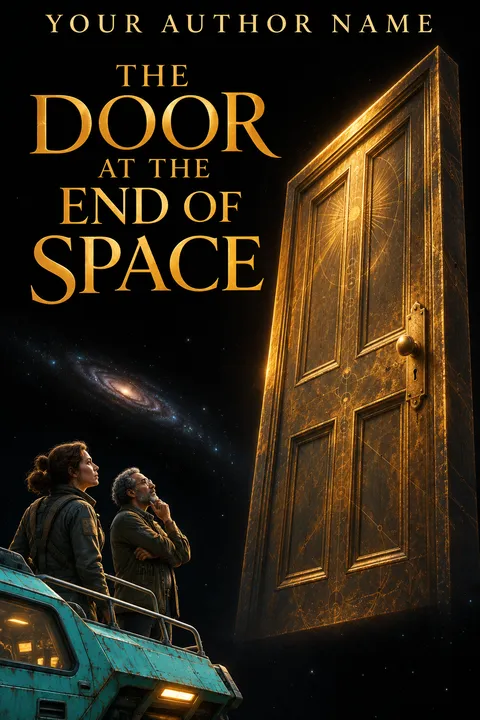
A salvage pilot reaches the universe's edge and finds an ordinary front door. The locksmith she brings back hears someone trying the handle from the other side, but the oldest marks suggest the door was built to keep humanity in.
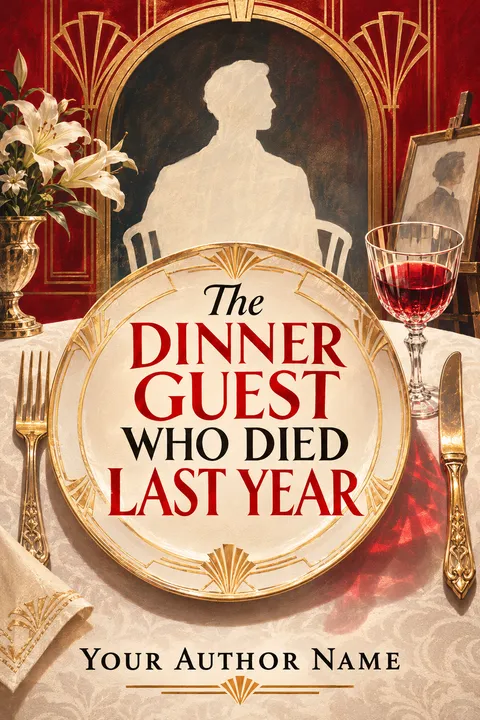
In 1924, a portrait painter recognizes a dinner guest whose death she helped document. When another guest is killed, she must separate an invented identity from a very real history of blackmail.
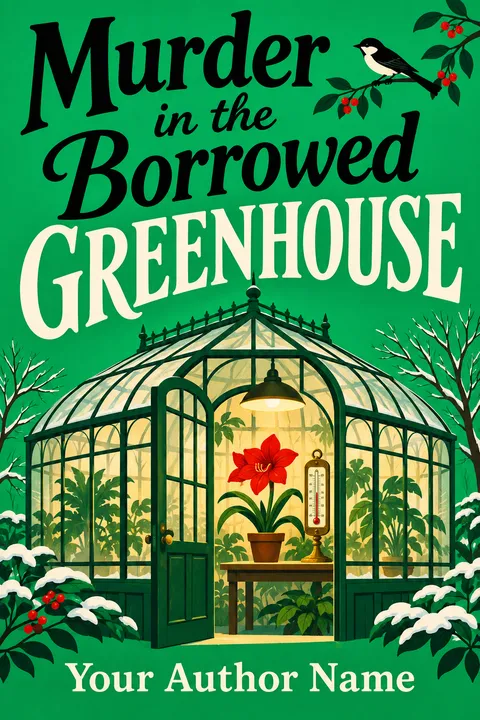
A seed-librarian finds a dead patron inside a greenhouse borrowed for a winter exhibition. A plant flowering at the wrong time tells her which suspect moved the room before the guests arrived.
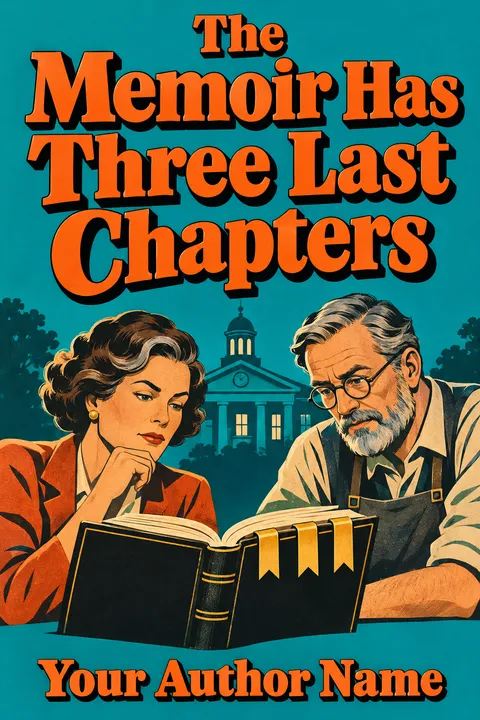
A retired mayor submits a memoir with three incompatible final chapters, then insists the copyeditor choose the true one. A local printer recognizes the paper used for an anonymous fourth ending, and the pair investigate who is trying to turn an ordinary retirement into a final accusation.
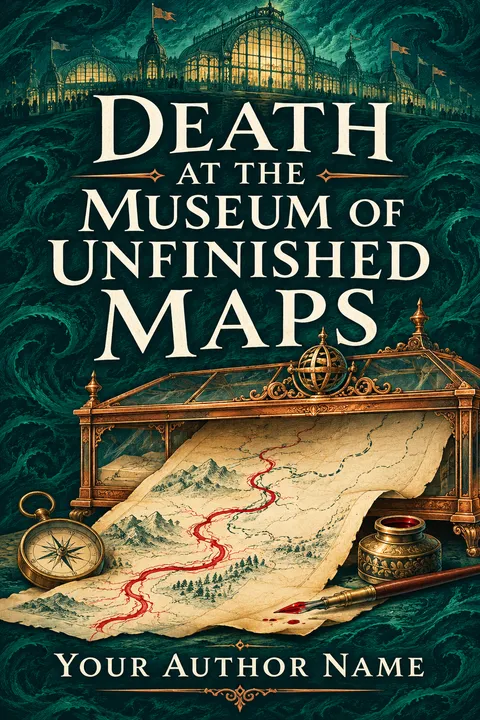
At an 1893 trade exhibition, a map colorist discovers a murdered surveyor beside an incomplete river chart. Finishing it would reveal the destination someone paid to keep imaginary.
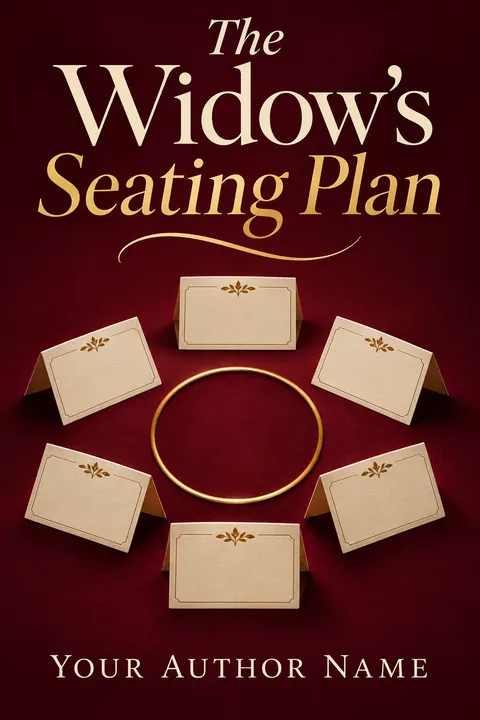
A wedding planner finds a seating chart that places six widows beside the same missing husband, just before the reception is sealed.

A seed librarian notices that a packet entered in the village swap contains flowers planted after its donor died.
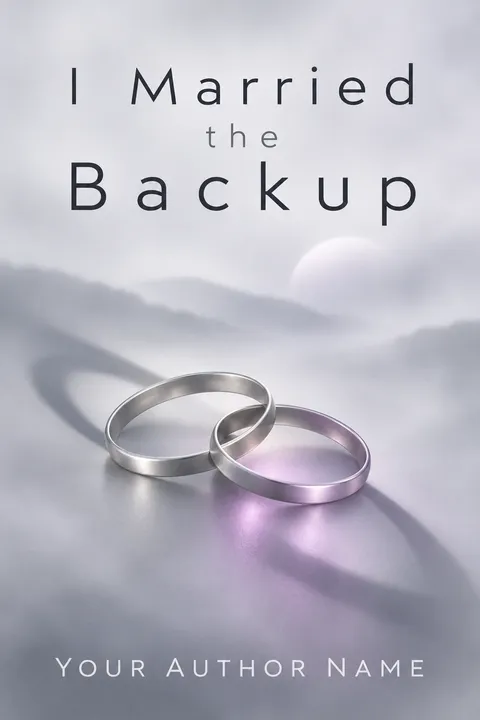
A woman discovers her husband is the emergency copy he authorized before a dangerous expedition. Neither knows whether the original survived. Their search becomes a second courtship, with an awkward question at its heart: which promises belong to the person who remembers them?
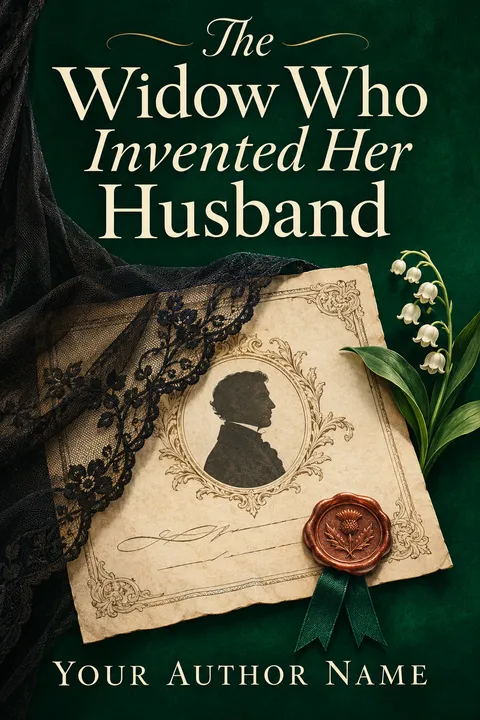
In 1867, an insurance clerk investigates a widow whose husband exists in every ledger except the birth register. A murdered printer has left her marriage certificate unfinished.
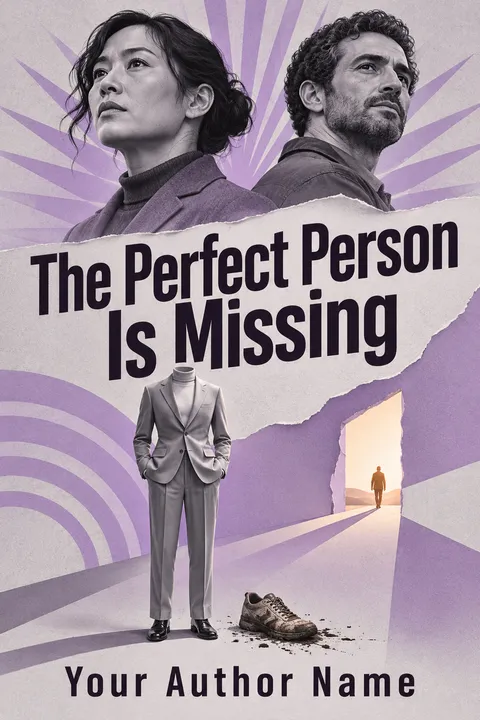
A designer creates a synthetic citizen who satisfies every public preference. When the model disappears, its human movement coach finds a trail of deliberately disappointing choices. Solving the mystery means proving that a person is allowed to become less convenient.

A florist receives advance orders from a man murdered yesterday.
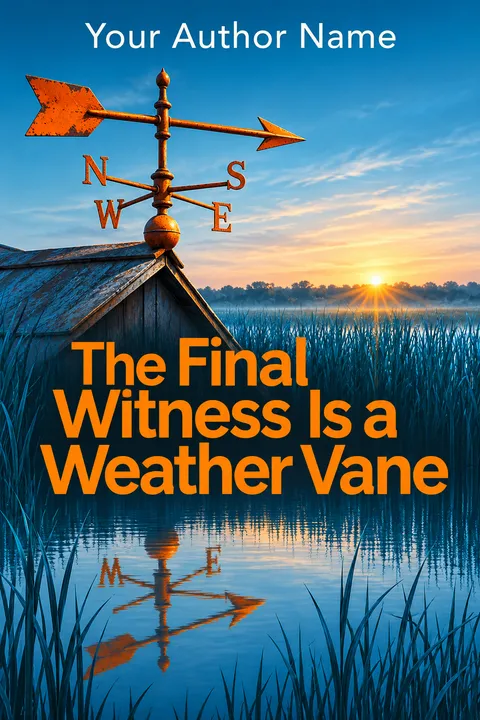
In 1904, a factory fire inquiry turns on which way the wind was blowing. A roof repairer knows the official weather vane has pointed the wrong way for years, and a court interpreter helps her prove why every respectable witness suddenly remembers a different breeze.
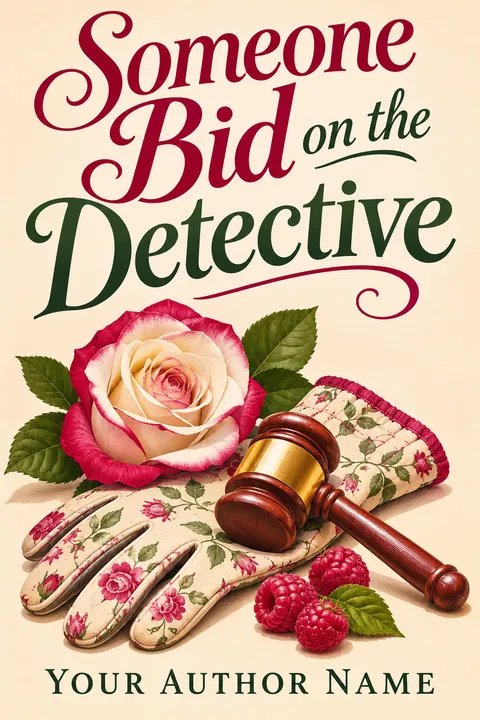
At a charity auction, a retired detective is sold as a weekend gardening helper. Her winning bidder needs an alibi for a murder that has not happened yet.
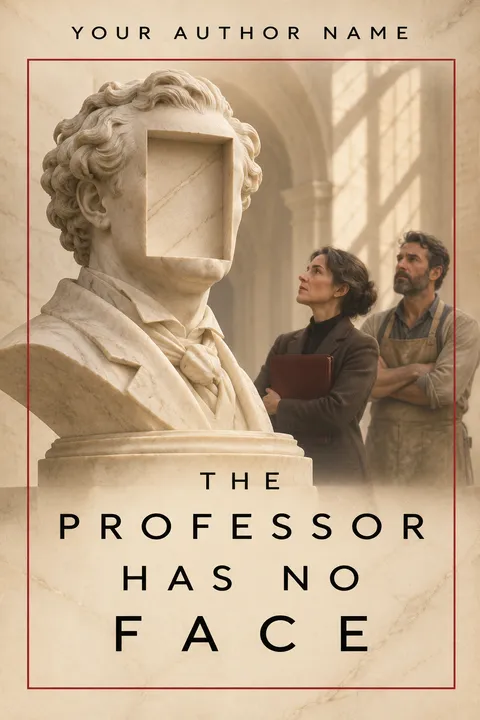
Every portrait of a celebrated professor loses its face on the eve of a centenary exhibition. The curator suspects deliberate tampering, while a university stonemason notices that the blank spaces conceal a pattern naming the people whose work the professor quietly claimed.
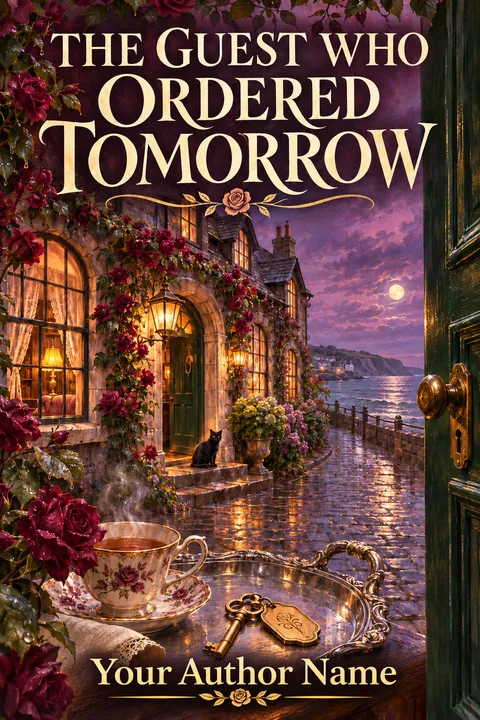
A guest orders breakfast for a room that has been empty for twenty years, then disappears before the kettle boils.
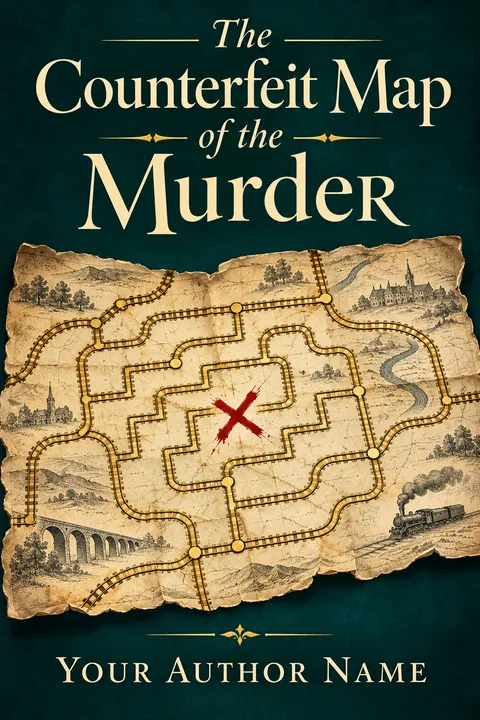
In 1904, a railway draftsman finds a murder marked on a map of streets not yet built. Proving the map false could erase the only route to a witness hiding inside the construction works.
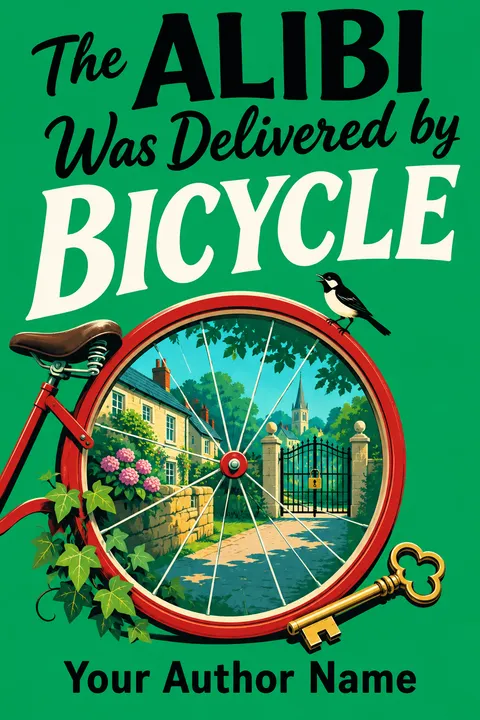
A cycle repairer notices that a witness's route would require a bicycle to travel backward through a locked gate. Solving the contradiction exposes a village charity's carefully timed disappearance.
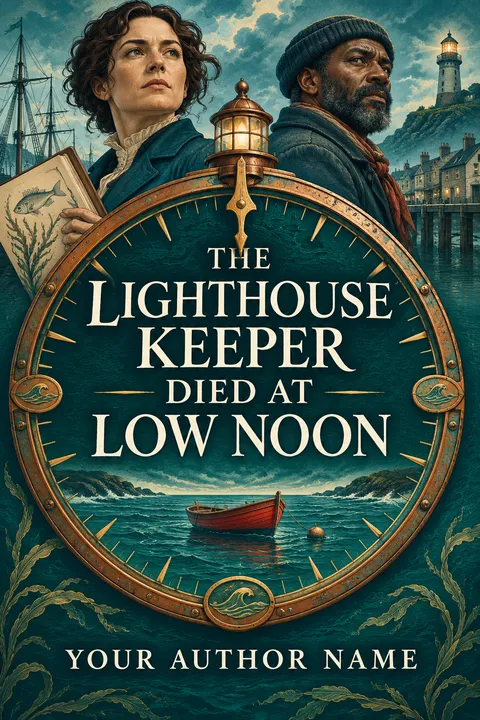
In a fictional port in 1875, a marine illustrator discovers a death assigned to an hour the local tide-clock cannot show. A wrongly accused boatman needs her to establish whose version of the harbor everyone has agreed to believe.
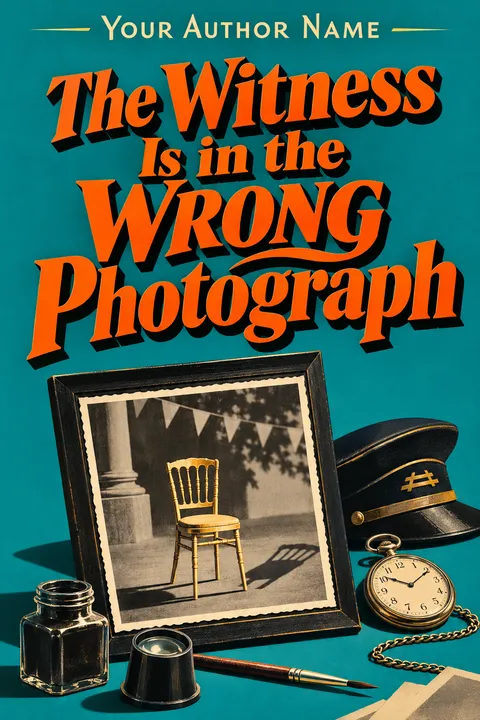
A 1937 civic photograph appears to show a witness at an event held before he arrived in town. A retoucher who knows how easily pictures can lie and a railway clerk who trusts timetables must work out which piece of impeccable evidence has been made conveniently wrong.
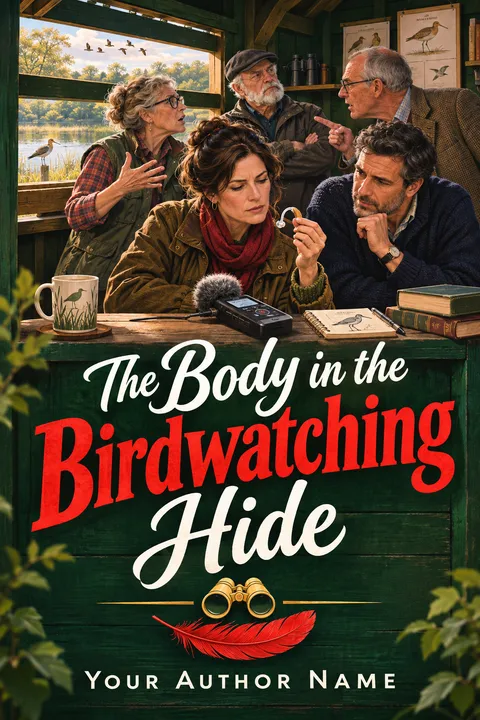
A hearing-aid technician finds a dead birdwatcher in a locked hide. The victim's recording contains the call of a bird that should be thousands of miles away, and the village experts disagree too quickly.
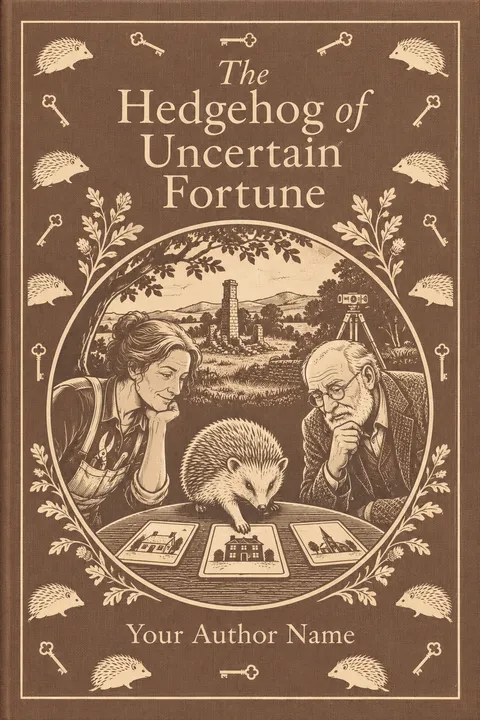
A village fortune teller's adult hedgehog selects the same house in every prediction, even after the house is demolished. A skeptical gardener and a retired surveyor follow its preference, finding a land dispute that has survived every attempt to make it look like folklore.
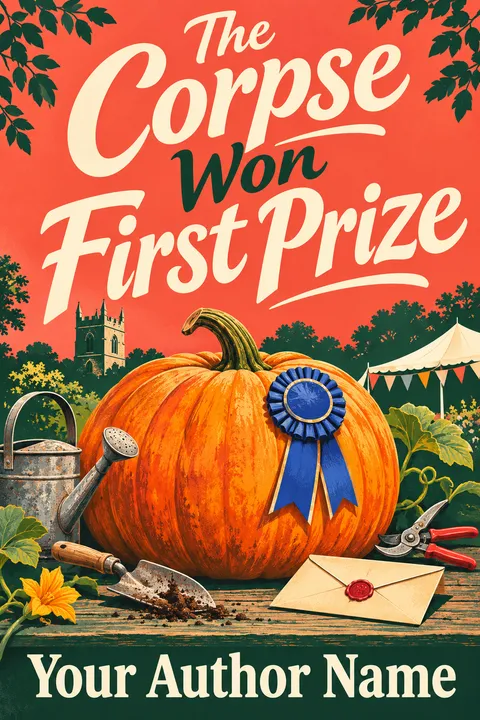
A county fair awards its gardening trophy to a dead entrant.
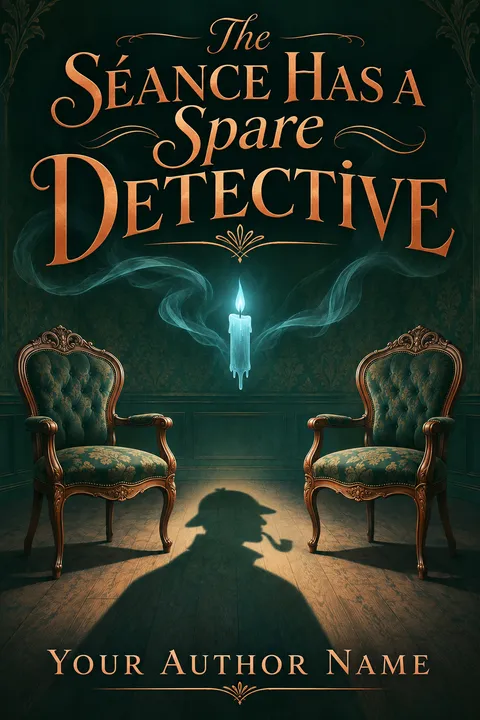
In 1907, a police stenographer attending a séance hears two detectives claim to be the same dead man. One voice knows a murder that has not yet been reported.
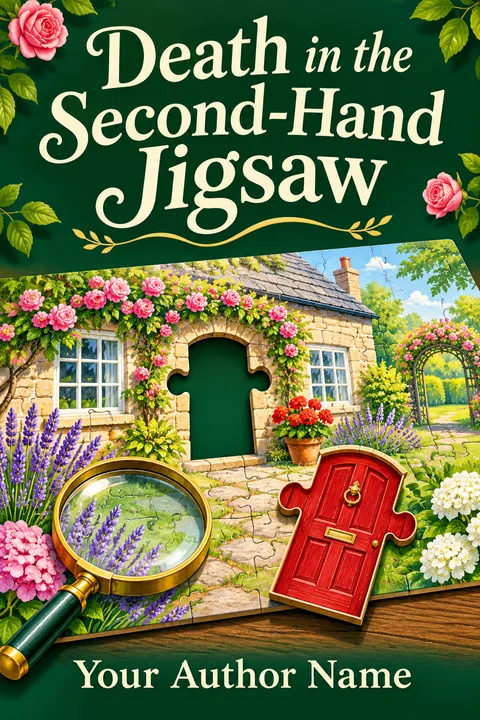
A charity-shop volunteer finishes a donated jigsaw and recognizes a garden that was demolished before the puzzle was printed. One missing piece marks where the police never thought to dig.
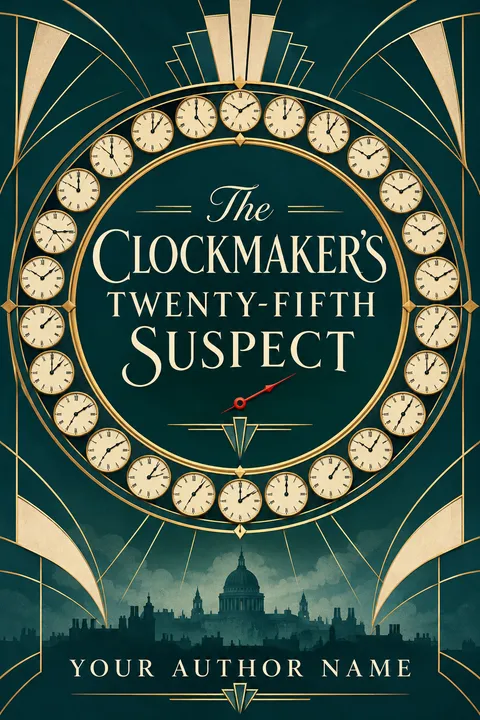
In 1936 Prague, a clock repairer reconstructs a murder from twenty-four clocks stopped at different hours. The only witness missing from the police list has never owned a watch.
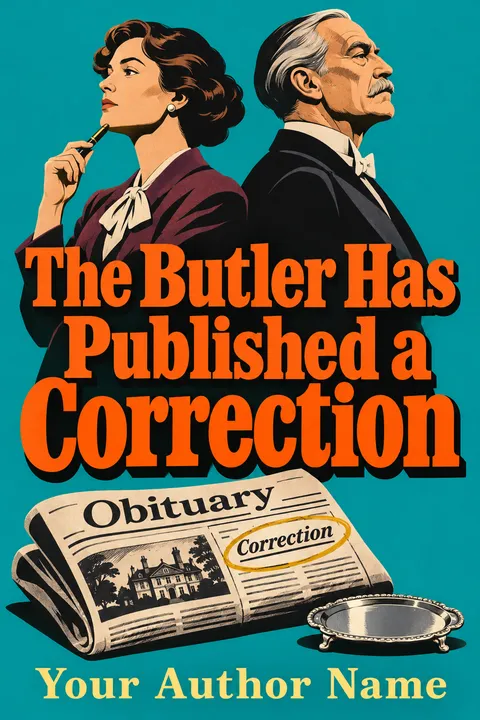
A retired butler sends a newspaper correction claiming his employer died on the wrong day, although the family held a public funeral. A meticulous obituary writer and the former butler compare household routines, revealing a deception built around an inheritance nobody appears to want.
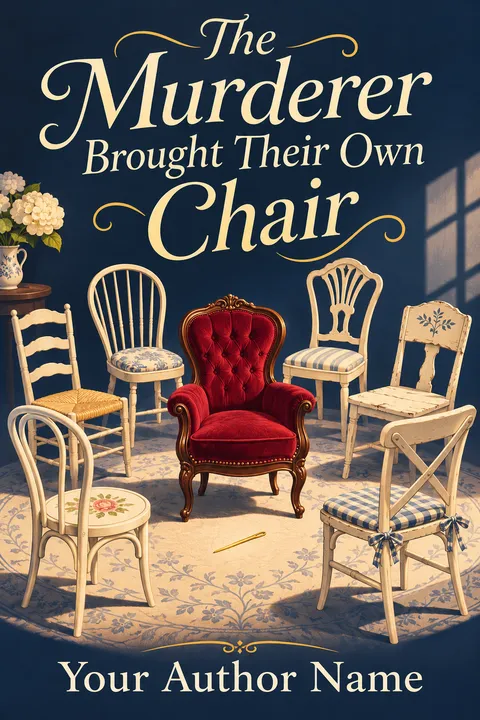
At a village hall meeting, an upholsterer notices the victim is sitting in a chair nobody borrowed. Its freshly repaired seat proves someone planned the argument and the alibi together.
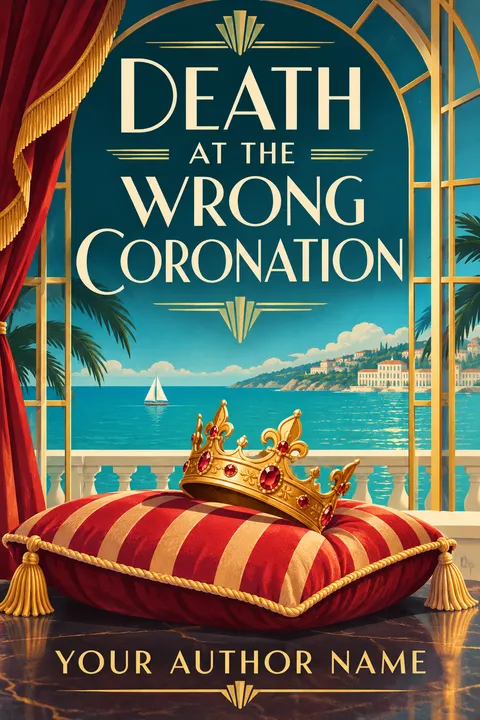
In 1923, a seaside hotel's theatrical coronation ends with a real corpse wearing the wrong crown. A wardrobe mistress must identify which guest came expecting a king to die.
No saved stories yet. Find your first.
Choose an investigator whose ordinary skills let them notice something the official account misses. A florist reads delivery instructions differently from a registrar, while a wedding planner understands how a seating change rearranges a room. Give the crime a practical sequence: who arrived, what moved, which record was changed, and why the apparent explanation seems reasonable. Then choose clues readers can actually encounter in the opening and subsequent scenes. A surprising solution should reorganize known information rather than introduce an unknown culprit at the end. Suspects need reasons to conceal something even when they did not commit the central crime. That allows interviews to change the story without making every lie an admission of murder. The ideas below include distinctive premises, opening scenes, and ten-beat outlines. Use them to test your own clue chain, alter the setting, or build a recurring amateur investigator. Explore the locked-room collection for impossible circumstances and the small-town-secrets collection for a cast whose relationships complicate the evidence.