
The Cinema Shows Our Unmade Beds
A failing neighborhood cinema begins screening the empty bedrooms of local people. The projectionist realizes each room belongs to someone about to leave without saying goodbye.
 ImagineYourBook
Let one unexplained wonder change a familiar life, then follow the human choices it makes impossible to avoid.
A failing neighborhood cinema begins screening the empty bedrooms of local people. The projectionist realizes each room belongs to someone about to leave without saying goodbye.

A tailor discovers she can shorten the distance between people by taking up their hems. Bringing a family together begins pulling an entire seaside town away from its shore.

A charity-shop sorter recognizes good fortune attached to ordinary donated objects. Selling a lucky coat seems harmless until its former owner returns with the life she lost when she gave it away.
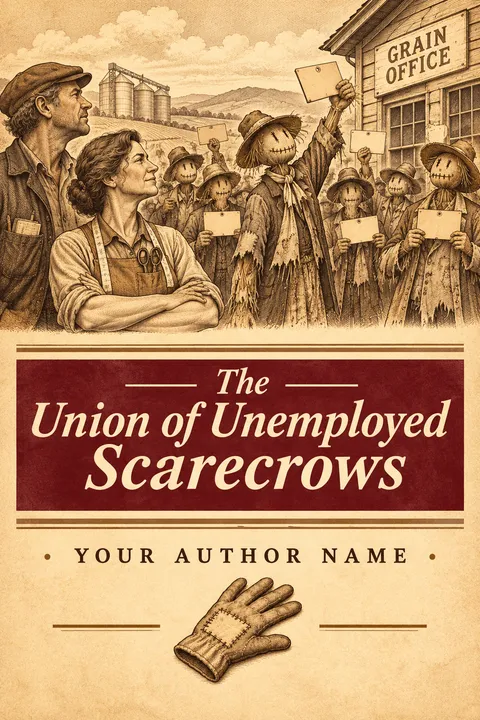
When new machines replace a valley's scarecrows, the discarded figures assemble outside the grain office demanding useful work. A warehouse clerk and a practical seamstress must discover what the valley is afraid of before its newest workers begin protecting entirely the wrong things.

A hotel room begins traveling while its exhausted cleaner tries to finish a shift. The long-stay guest has been waiting decades for this journey. Together they must decide which objects to leave behind before the room reaches a place neither can return from.

A widowed umbrella repairer finds each canopy holds the memory of one unnoticed happy minute. Returning the umbrellas changes a neighborhood, until a customer asks for a memory he has been keeping for himself.
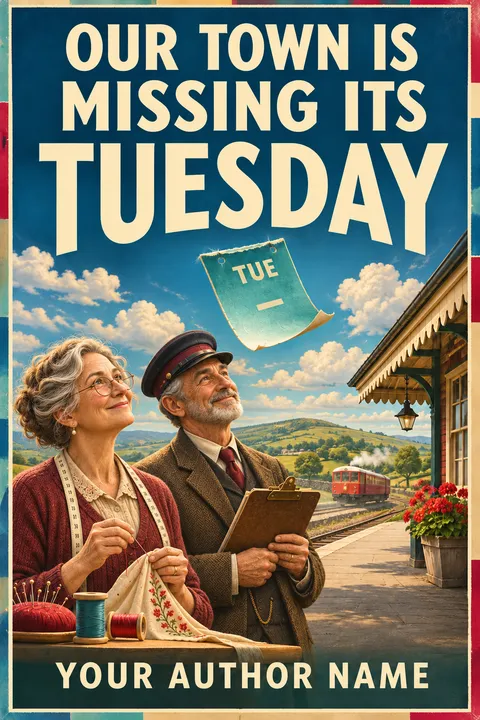
A small town skips Tuesday every week, and most residents enjoy the convenience. When a seamstress discovers that her late husband's happiest memories all occurred on Tuesdays, she recruits a railway clerk to find out who owns the missing time.
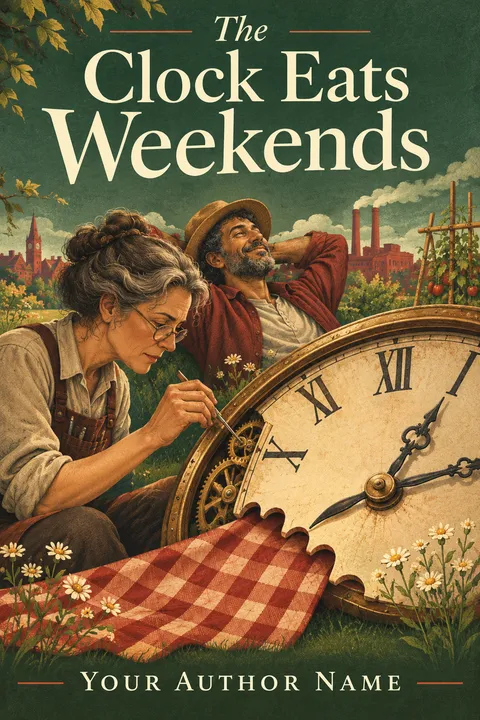
A clock restorer repairs a factory timepiece that runs on leisure. The more efficiently the town works, the more its weekends vanish. Recovering them requires her to ally with the least productive man in town, whose apparently wasted afternoons hide a remarkable achievement.

A landscape architect returns home to find her widowed father taking the forest to dinner. Learning how a woodland can consent to being loved becomes complicated when the town wants to clear it and her father refuses to speak for his new companion.
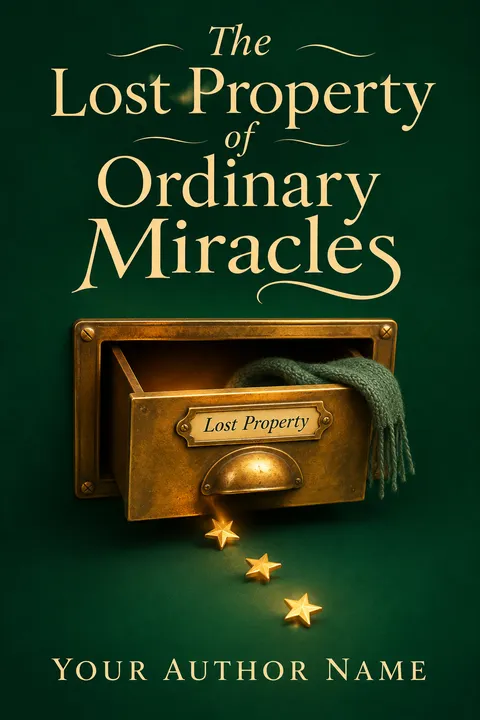
A linked collection follows the clerk who catalogs everyday miracles nobody claims, including a missed accident, a healed argument, and a door held open for twenty years.
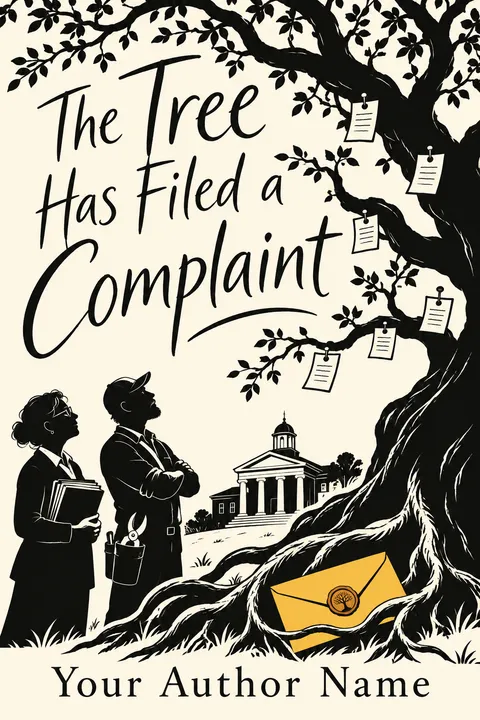
A town receives a formal complaint from the tree outside its courthouse, alleging decades of selective listening. A records clerk and an arborist must prove who is speaking for it while the public starts pinning grievances to branches that increasingly refuse to stay still.

When her mother moves into a smaller flat, the street where she raised her family appears outside the window. Her adult daughter must decide which neighbors are being remembered and which are asking to return.

A widower discovers that his tears become stamps capable of delivering letters to places without addresses. As neighbors ask for help, he must learn that grief is not an unlimited public service.

A retiring interpreter finds an unused station where forgotten languages wait for someone who will speak them again. The next departure carries a language she stopped using to keep her family comfortable.

A swimming instructor's shadow leaves her at the edge of a pool. Following it through the city's waters forces her to admit which parts of her life she has kept dry.

A night-shift caretaker hears streetlights greeting people the city's new map has forgotten. Helping one elderly neighbor find home leads her to the names her own family stopped saying aloud.
No saved stories yet. Find your first.
A magical-realism idea works through the relationship between ordinary precision and an impossible event. Keep the workplace, household or neighborhood concrete: shifts, bills, familiar objects and the way people avoid difficult conversations. Then allow one wonder to enter without requiring a complete technical explanation. The wonder should change what the protagonist must notice or choose, rather than solve a relationship on their behalf. A door can offer a return without making return wise; a repaired object can carry history without forcing forgiveness. Give other characters the right to disagree about what help means. Restraint often makes the impossible detail more affecting than constant escalation. Think about the ending as a changed way of living with uncertainty, not necessarily the restoration of ordinary rules. The original starters here include openings and ten-beat outlines. Change the everyday practice, the central image and the relationship under pressure to build a fresh novel with its own emotional logic.