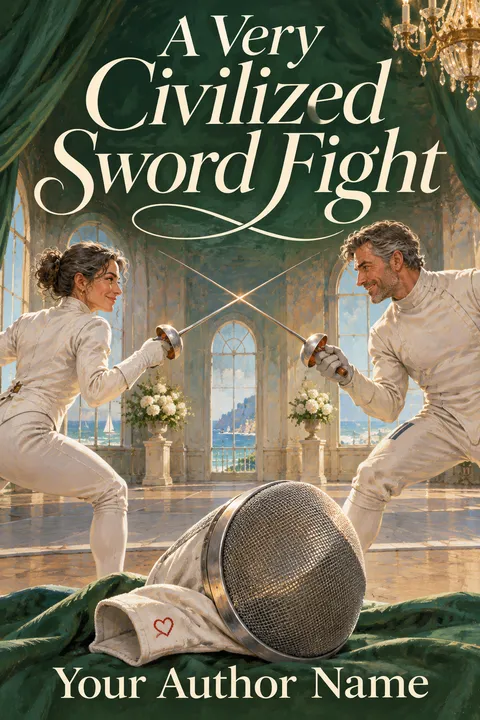
A Very Civilized Sword Fight
A champion joins a fencing tour where spectators vote for the loser. Her fiercest rival is winning by being infuriatingly nice.
 ImagineYourBook
Competition brings these couples together. Start with a rivalry, a shared team or a second chance.
A champion joins a fencing tour where spectators vote for the loser. Her fiercest rival is winning by being infuriatingly nice.
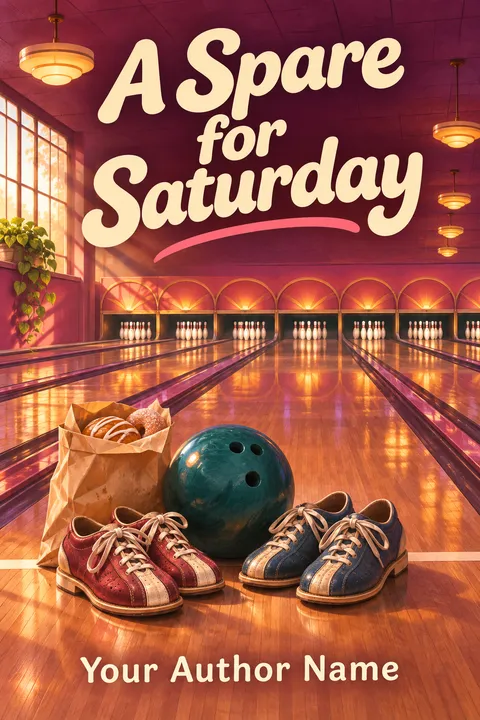
A former touring bowler takes a doubles slot with a night-shift baker, on the condition that they both learn to lose.
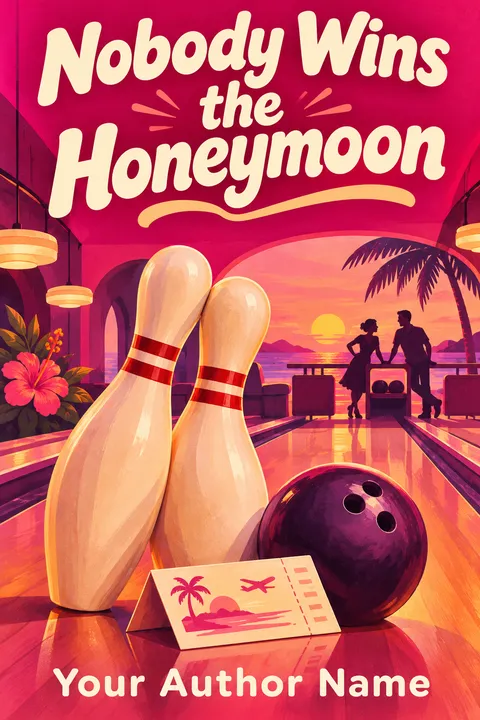
Two divorcing bowlers win a couples' tournament. To claim the prize they never took after their wedding, they have to play one more round.
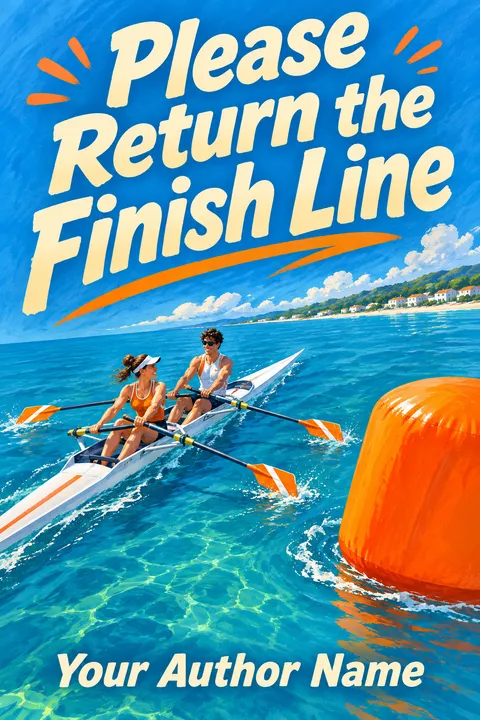
A disgraced coastal rower pairs with the rival who owns her club's finish buoy. Their last race decides who gets to keep the boathouse.
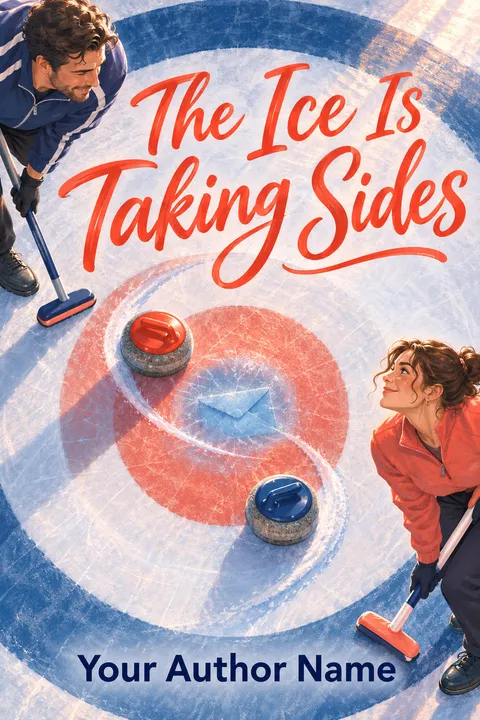
A curler returns for one last mixed-doubles match. Under the ice is the apology her ex never sent, and he wants to keep playing.
No saved stories yet. Find your first.
Start with a sport whose decisions reveal how the couple handles pressure. One person may call the shot while the other has to trust it, or two rivals may need the same qualifying place. Give each a goal outside the relationship and decide what a win would cost them. Explain the rules through a single immediate problem the reader can see. A curling stone, a disputed fencing touch or the final bowling frame can hold a scene without a technical lecture. Practice sessions create repeated contact, but change the emotional question each time. An early mistake can become a private joke and then a chance to choose differently. Older athletes bring useful stakes around work, bodies and a second attempt at a life they want. Keep recovery and training credible when developing the manuscript. Let both people retain their ambition through the ending. The decisive romantic act can be a boundary, an honest answer or a new arrangement that lasts beyond the tournament.