Idea 01
Write a Unreliable Narrator Mystery book: A neighborhood volunteer describes a suspicious death with meticulous accuracy but consistently misidentifies who was protecting whom.
Plan a narrator with a specific blind spot and a reveal supported by evidence readers have already seen.
Choose meaningful clues, credible secrets and an investigation whose solution respects the evidence.
Mix your favorites. Tap again to remove.
Choose a premise. Your selected details stay with it.
Write a Unreliable Narrator Mystery book: A neighborhood volunteer describes a suspicious death with meticulous accuracy but consistently misidentifies who was protecting whom.
Write a Unreliable Narrator Mystery book: An adult executor reconstructs a relative's final week while realizing the family's familiar explanations never matched the records.
Write a Unreliable Narrator Mystery book: A night receptionist investigates a death while concealing one unauthorized absence that changes how every witness reads the timeline.
Choose visual inspiration for the setting.
Turn a craft decision into a clearer brief.
Decide what a clue really establishes before choosing its misleading explanation. Both readings should fit the visible evidence. A satisfying solution changes the interpretation of an earlier detail rather than adding a fact the reader could never know.
A suspect can have an excellent reason to lie without being responsible for the central crime. Give each secret a function in the investigation, and let the sleuth test an explanation through observable evidence.
Trace the solution backward through the evidence the reader has already encountered. The explanation should answer the main practical questions and reveal what the sleuth understood, without depending on an unseen confession.
An example you can use as a starting point.
Create a Unreliable Narrator Mystery book about The careful witness. Keep the fictional case, clues, and timeline consistent. Decide whether the narrator is mistaken, selective, or deliberately deceptive. Preserve stable facts the reader can use. Do not equate a mental health diagnosis with dishonesty or violence.
Unreliability is more satisfying when readers can later separate observation from interpretation without losing the whole story's foundation.
Common traps: Do not hide the decisive clue until the reveal; Check the timeline and what each suspect could know.
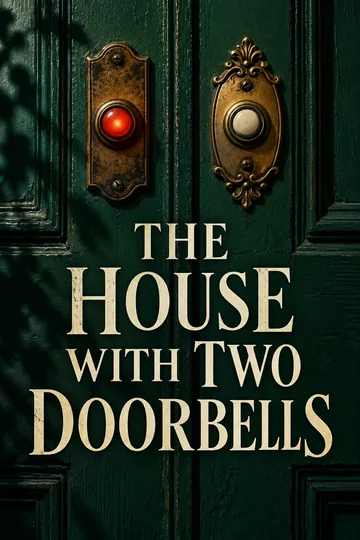
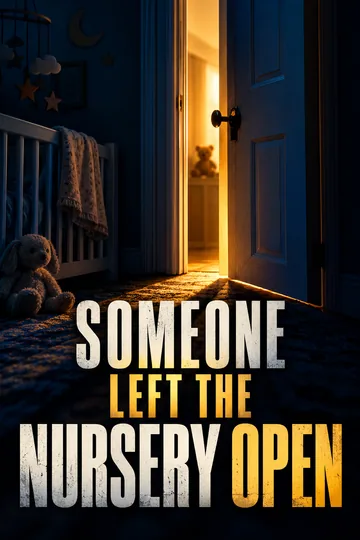
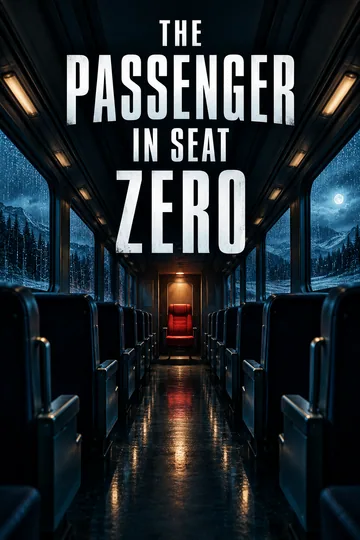
Sample covers. Your book gets its own design.
Yes. Loyalty, limited access, and confident assumptions can distort interpretation. Keep observable facts stable enough for a reader to form another explanation.
Create your account, then start a $0 seven-day trial to write and download your first 10,000-word book. Card required; then $24.99/month unless canceled.
Yes. Edit the prompt or choose an example, then continue to the book creator to choose your settings. This page carries your idea through signup or login; you review the finished draft before sharing it.