Idea 01
Write a Epistolary Murder Mystery book: A municipal archivist reconstructs a murder from letters returned to sender over twenty years.
Tell a fair investigation through letters, records, and messages whose gaps become part of the puzzle.
Choose meaningful clues, credible secrets and an investigation whose solution respects the evidence.
Mix your favorites. Tap again to remove.
Choose a premise. Your selected details stay with it.
Write a Epistolary Murder Mystery book: A municipal archivist reconstructs a murder from letters returned to sender over twenty years.
Write a Epistolary Murder Mystery book: A community organizer's suspicious death is investigated through event emails, amended schedules, and an unsent complaint.
Write a Epistolary Murder Mystery book: A retired investigator assembles interviews and receipts after a disputed witness account is found inside an unrelated insurance file.
Choose visual inspiration for the setting.
Turn a craft decision into a clearer brief.
Decide what a clue really establishes before choosing its misleading explanation. Both readings should fit the visible evidence. A satisfying solution changes the interpretation of an earlier detail rather than adding a fact the reader could never know.
A suspect can have an excellent reason to lie without being responsible for the central crime. Give each secret a function in the investigation, and let the sleuth test an explanation through observable evidence.
Trace the solution backward through the evidence the reader has already encountered. The explanation should answer the main practical questions and reveal what the sleuth understood, without depending on an unseen confession.
An example you can use as a starting point.
Create a Epistolary Murder Mystery book about The returned archive. Keep the fictional case, clues, and timeline consistent. Give every document an identifiable creator and date. Track what could be edited, forwarded, or misfiled. Let the reader compare conflicting accounts before the solution.
Documents need sources, dates, and reasons to exist; contradictions should arise from perspective rather than arbitrary withholding.
Common traps: Do not hide the decisive clue until the reveal; Check the timeline and what each suspect could know.
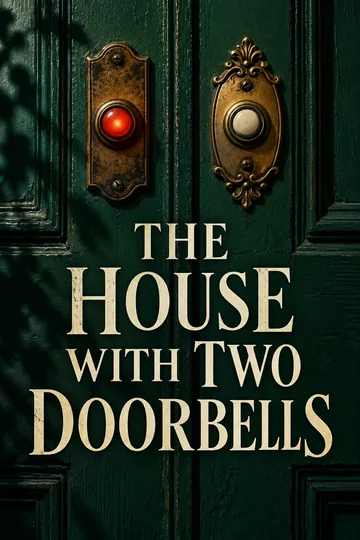
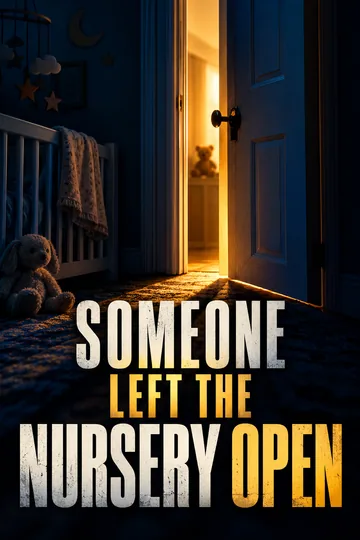
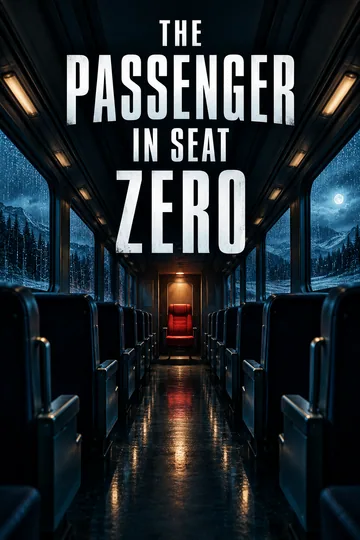
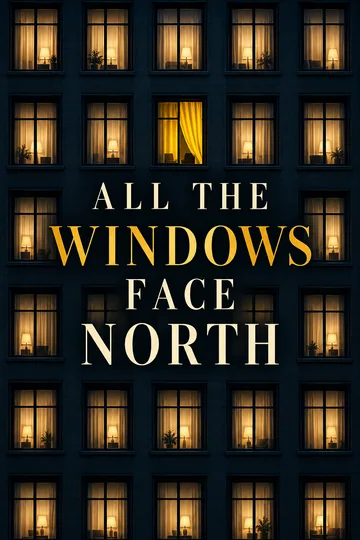
Sample covers. Your book gets its own design.
Yes, if the documents create a readable sequence and have plausible origins. Track their dates, authors, recipients, and any opportunity for alteration.
Create your account, then start a $0 seven-day trial to write and download your first 10,000-word book. Card required; then $24.99/month unless canceled.
Yes. Edit the prompt or choose an example, then continue to the book creator to choose your settings. This page carries your idea through signup or login; you review the finished draft before sharing it.