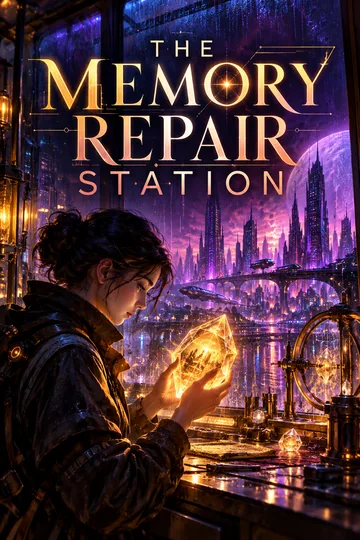
Science Fiction Story Generator

Your idea, a complete book, and a cover of its own.

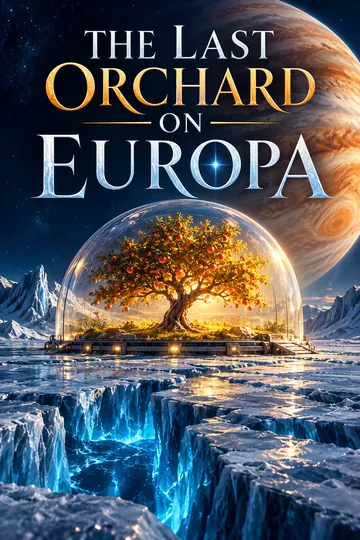
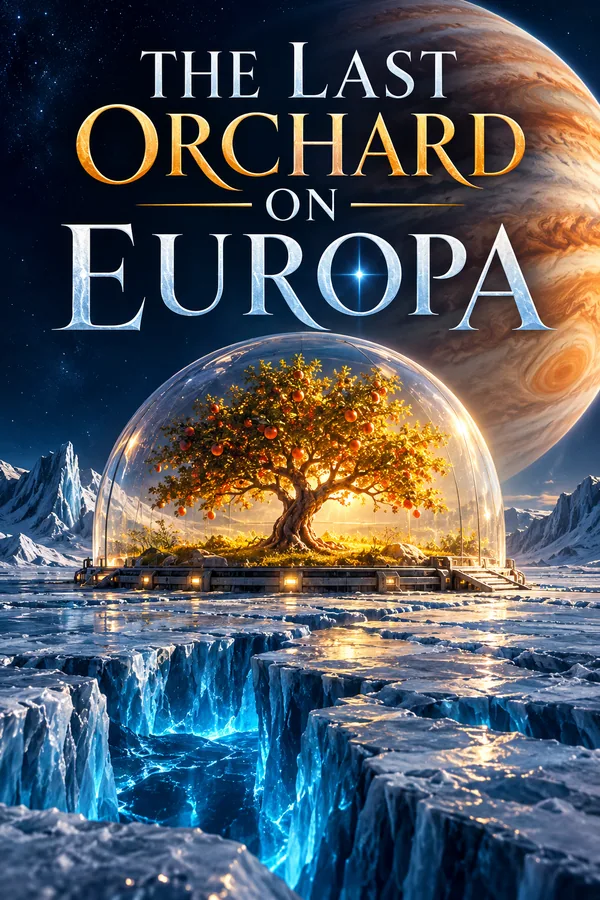
Sample science fiction cover: The Last Orchard on Europa
Cover concept

Start with your email. Choose your book next.

100% five-star reviews on Trustpilot (12 reviews) Read John R's review

it has been great.
Cheri

Make the speculation change real lives

Start with a clear possibility, then follow its limits, tradeoffs and human consequences.

Mix your favorites. Tap again to remove.

An adult pilot and engineer watch a luminous planet from an orbital observatory.
What does the idea change?
What keeps the premise coherent?
How does the question become action?

Try a different beginning

Choose a premise. Your selected details stay with it.

The Latency Garden

For a science fiction book: Create a science-fiction story about a botanist maintaining a seed archive on a station whose communications arrive at unpredictable delays. A request for emergency release may already be obsolete. Keep the communication rules consistent and distinguish invented technology from verified science. Build conflict around evidence, responsibility and the lives affected by waiting.

The Spare Hours

For a science fiction book: Write a science-fiction story about a transit scheduler in a city that can store unused travel time, but only by delaying someone else. An audit reveals who has been absorbing the cost. Use one clear speculative rule, competing public needs and a protagonist whose practical expertise matters more than sudden exceptional powers.

An Ocean in the Archive

For a science fiction book: Develop a science-fiction story about a technician reviewing an alien archive that records environmental change through sound. Translation is partial and every playback degrades the sample. Give the team competing reasonable goals, a clear information limit and a consequential decision about what knowledge to preserve.

Plan a science-fiction book online

A science-fiction premise becomes a story when an imagined change creates a problem for a particular person. Choose one technological, social or environmental departure and follow its consequences. Decide which scientific details need research and which rules belong to the invented world. A focused brief can make an unfamiliar setting understandable without explaining every invention before the plot begins. The planning tools here are free to use. Your first 10,000-word book uses a $0 seven-day trial, with a card required, then $24.99/month unless canceled.

Follow one change through the world

Turn a craft decision into a clearer brief.

  1. Name the central departure

    State the main difference between this world and the reader’s world in one clear sentence. Then ask how it changes work, relationships or access to resources. Limiting the first premise helps the reader understand what matters and gives the story a stronger foundation than a catalogue of unrelated inventions.

  2. Make the rules constrain solutions

    Decide what the invented technology can do, what it cannot do and who controls access. Apply those limits when they become inconvenient for the protagonist. A rescue based on a capability introduced only at the climax weakens the choices that came before and makes the world harder to trust.

  3. Keep human stakes legible

    Translate a large-scale problem into something the protagonist can lose, protect or decide. A planetary system may be complex, but the reader can follow a promise, a job or a relationship under pressure. Reveal technical detail when it changes a choice, and flag real scientific claims that need checking.

Review your idea ↑

A delay between messages

An example you can use as a starting point.

Change
Messages arrive out of order
Job
A remote relay operator
Question
Which warning can be trusted?
Write a science-fiction mystery about a communications relay operator on a remote station where messages begin arriving in the wrong chronological order. Establish a consistent fictional cause and limits before the reveal. Connect the anomaly to a personal promise and a decision about which warning to trust. Distinguish invented technology from real science and flag factual claims for review.

Review your idea ↑

What makes a strong Science Fiction Story

The best science fiction turns one big idea into a human story — the tech matters because of what it does to people.

A little cover inspiration

Sample covers. Your book gets its own design.

Common Questions

Can this be hard sci-fi?

Yes. Add the scientific assumptions and ask for a grounded tone.

Can this be character-first sci-fi?

Yes. Start with the protagonist and make the technology pressure their choices.

How many words will my Science fiction book have?

This prompt starts the Small Book flow, which is designed for a first draft of up to about 10,000 words. You can adjust the length in Create Book when your plan and credits allow it.

Is the first book really free?

Yes, within the $0 seven-day trial. A card starts the trial and nothing is charged today. You get a reminder email before it ends, and you pay nothing if you cancel before day 8.

Do I need a finished outline for a Science fiction book?

No. One clear idea is enough to start. The draft gets stronger when you add audience, tone, must-have scenes or chapters, boundaries, and any facts you already know.

Can I turn this Science fiction book into a series?

Yes. Once you have a completed book in your account, Series Builder can use bounded continuity context from that book when you create the next volume. That helps keep characters, canon, tone, and open threads consistent, and it is useful for KDP authors who want repeat sales from readers moving through a series.

Can I change the prompt before generating?

Yes. Edit the prompt on this page or continue into Create Book and adjust title, genre, language, length, and advanced fields before you generate.

Will this create the book immediately on this page?

No. This page saves your prompt and sends you into the normal ImagineYourBook workflow after signup or login. Book generation remains a single-pass flow.

Do I need hard science for a science-fiction story?

Not necessarily. Decide how closely the story depends on established science, then keep that promise consistent. A more speculative story still benefits from clear rules. If real calculations or scientific claims determine the solution, verify them separately.

How can I explain the world without an information dump?

Introduce a detail when a character uses it, cannot access it or pays a price for it. The reader learns both the rule and its importance at the same time. Keep background that does not affect the current story out of the opening brief.
See example books

How the AI book generator works Browse all book generators

$0 for 7 days. Card required. Then $24.99/month unless canceled.

Start Book One

Already a member?