Horror Book Generator

Your idea, a complete book, and a cover of its own.

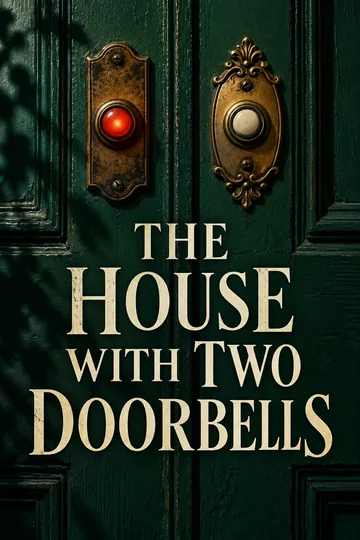
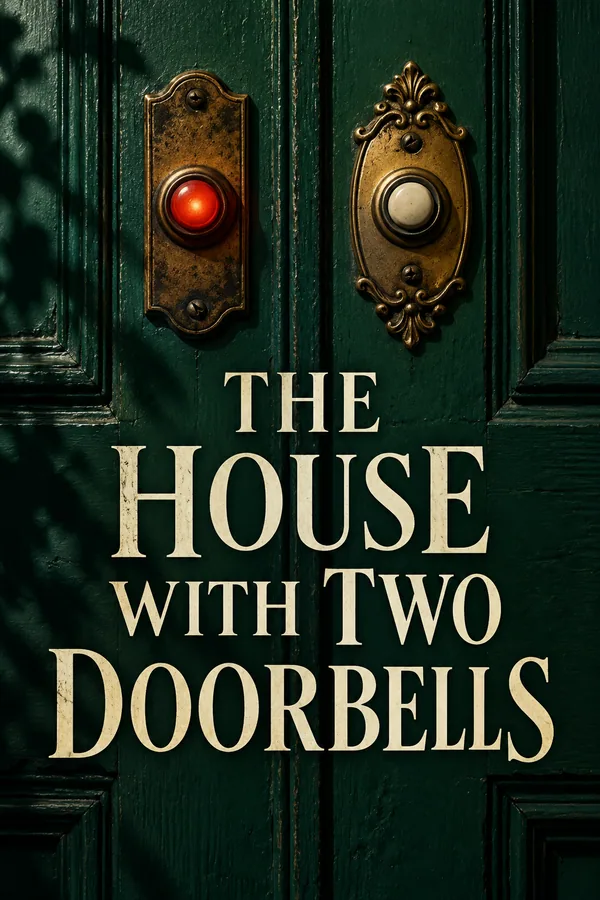
Sample psychological thriller cover: The House with Two Doorbells
Cover concept

Start with your email. Choose your book next.

100% five-star reviews on Trustpilot (12 reviews) Read John R's review

it has been great.
Cheri

Make the fear specific

Give the unsettling detail a pattern, the characters credible reactions and the threat limits that deepen dread.

Mix your favorites. Tap again to remove.

Where does the wrongness begin?
What limits the threat?
Why do the choices feel human?

Try a different beginning

Choose a premise. Your selected details stay with it.

The Courtesy Call

For a horror book: Create a slow-burn horror story about a housing officer receiving polite calls from tenants whose flats were demolished years ago. Each caller asks for an ordinary repair, and completing one changes a detail in the present building. Keep the pattern consistent, let sensible precautions matter and build dread without graphic violence.

The Soundproof Room

For a horror book: Write a horror story about an audio technician testing a newly renovated listening booth. Recordings made inside contain a second version of the same conversation, always slightly ahead. Give the phenomenon a bounded reach and a discoverable rule. Let the technician’s reasonable experiments create increasingly difficult choices.

The Last Bus Notice

For a horror book: Develop an atmospheric horror story about a driver who finds handwritten service notices for stops that do not exist. Following one instruction makes the next route easier but changes a passenger’s memory. Use precise routine details, escalating consequences and human responses rather than arbitrary supernatural powers.

Plan a horror story online

A horror brief should identify what the protagonist fears losing and how the threat enters ordinary life. Choose the reader’s experience: uncertainty, isolation, a disturbing discovery or a steadily narrowing escape. Then set the rules for what can be known. A strong prompt gives the story a pattern of consequences, rather than requesting a frightening atmosphere without a developing conflict. The planning tools here are free to use. Your first 10,000-word book uses a $0 seven-day trial, with a card required, then $24.99/month unless canceled.

Give the world a texture

Choose visual inspiration for the setting.

Review your idea ↑

Build dread through a changing pattern

Turn a craft decision into a clearer brief.

  1. Establish an ordinary pattern

    Show what the protagonist expects from a place, routine or relationship before introducing the wrong detail. The disturbance becomes more unsettling when the reader understands what it violates. Choose an ordinary pattern important enough that the protagonist has a believable reason to return to it after the first warning.

  2. Escalate the consequences

    Do more than repeat the same strange event at a higher volume. Each recurrence should reveal information, remove an option or change what the protagonist is willing to risk. This creates a developing situation in which fear affects choices, rather than a sequence of isolated shocks that leave the story unchanged.

  3. Choose what remains unknown

    Decide which question the ending will answer and which uncertainty can remain. An unexplained threat can be effective, but the protagonist’s decisions still need consequences the reader can follow. Preserve deliberate ambiguity without using it to avoid resolving the central action that the story has asked readers to invest in.

Review your idea ↑

The extra stair

An example you can use as a starting point.

Routine
Closing a public building
Disturbance
One stair appears overnight
Stakes
A missing colleague’s name
Write an atmospheric horror story about an adult caretaker closing a municipal archive where an extra stair appears each night. The new landing contains records of people the town insists never existed, including a former colleague. Build dread through changing consequences, keep the caretaker’s choices credible and resolve the central investigation while leaving one carefully chosen uncertainty.

Review your idea ↑

What makes a strong Horror Book

Real horror is about dread, not just shocks — it makes the ordinary feel unsafe and earns every scare.

A little cover inspiration

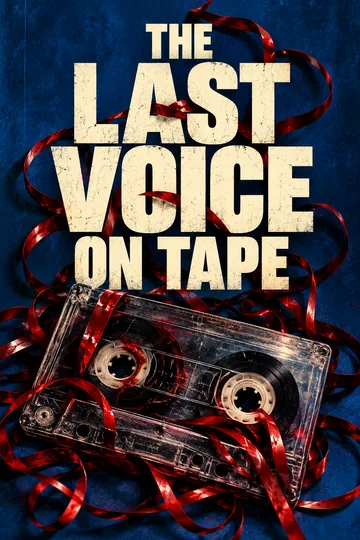
Sample covers. Your book gets its own design.

Shape the idea first

Try a free story planner. Choose your characters and conflict, then keep the premise and five story beats.

Browse all free writing tools →

Common Questions

Can I use this for a Horror book?

Yes. Start with the Horror prompt, add your audience, tone, and must-have details, then continue into the single-pass Create Book workflow.

How many words will my Horror book have?

This prompt starts the Small Book flow, which is designed for a first draft of up to about 10,000 words. You can adjust the length in Create Book when your plan and credits allow it.

Is the first book really free?

Yes, within the $0 seven-day trial. A card starts the trial and nothing is charged today. You get a reminder email before it ends, and you pay nothing if you cancel before day 8.

Do I need a finished outline for a Horror book?

No. One clear idea is enough to start. The draft gets stronger when you add audience, tone, must-have scenes or chapters, boundaries, and any facts you already know.

Can I turn this Horror book into a series?

Yes. Once you have a completed book in your account, Series Builder can use bounded continuity context from that book when you create the next volume. That helps keep characters, canon, tone, and open threads consistent, and it is useful for KDP authors who want repeat sales from readers moving through a series.

Can I change the prompt before generating?

Yes. Edit the prompt on this page or continue into Create Book and adjust title, genre, language, length, and advanced fields before you generate.

Will this create the book immediately on this page?

No. This page saves your prompt and sends you into the normal ImagineYourBook workflow after signup or login. Book generation remains a single-pass flow.

Can I use this for fiction, nonfiction, children's books, and business ebooks?

Yes. The same creator supports novels, romance, memoirs, biographies, children's stories, practical guides, lead magnets, educational books, and many other structured book drafts.

Does horror need a monster?

No. A place, a pattern of behavior, an institution or an impossible change can create horror. What matters is the pressure it places on the protagonist and the reading experience you choose. Define the threat’s consequences even if its full nature remains uncertain.

How can I make a quiet horror story tense?

Use precise ordinary details, a recognizable pattern and consequences that narrow the protagonist’s options. Let the reader anticipate what could happen without explaining everything. Quietness becomes tension when a small change matters to someone the reader understands.
See example books

Browse all book generators

$0 for 7 days. Card required. Then $24.99/month unless canceled.

Start Book One

Already a member?