Idea 01
Write a Family Oral History Book Memoir book: Organize these supplied interview excerpts into a family history by place and decade. Attribute every account and flag contradictions.
Turn recorded family voices into a readable book without smoothing away their differences.
Choose a clear scope, distinguish memory from evidence and connect lived scenes with thoughtful reflection.
Mix your favorites. Tap again to remove.
Choose a premise. Your selected details stay with it.
Write a Family Oral History Book Memoir book: Organize these supplied interview excerpts into a family history by place and decade. Attribute every account and flag contradictions.
Write a Family Oral History Book Memoir book: Create a chapter plan from my relatives' stories about work and migration, keeping each speaker's perspective separate.
Write a Family Oral History Book Memoir book: Turn my transcribed conversations about one family home into a thematic book with an appendix of unanswered questions.
Turn a craft decision into a clearer brief.
Choose a scene you actually remember and record what you know about it. Sensory details can help you recover the moment, but uncertainty belongs in the notes too. A vivid draft should preserve the difference between memory and invention.
Separate what you understood then from what you understand now. A present-day interpretation can deepen a scene without pretending your younger self already knew the lesson. Give other people room to remain more complicated than their role in your story.
A memoir chapter does not need to explain an entire life. End where a decision, relationship or understanding changes, and identify the records or people you want to consult before sharing the manuscript.
An example you can use as a starting point.
Create a Family Oral History Book Memoir about Places and decades. Use only the supplied facts, records and memories. Do not invent events, quotations, citations or expertise. Mark missing information for review.
Oral history preserves perspective as well as events. Keep speaker attribution and source notes so a polished narrative does not make uncertain recollections look independently verified.
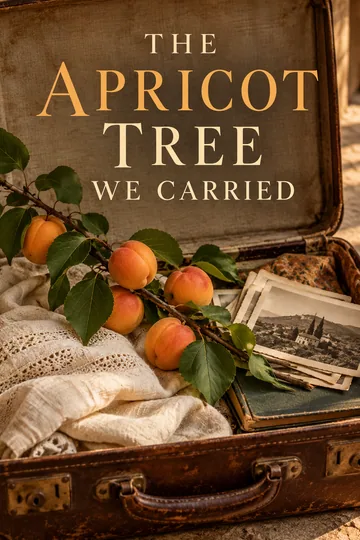
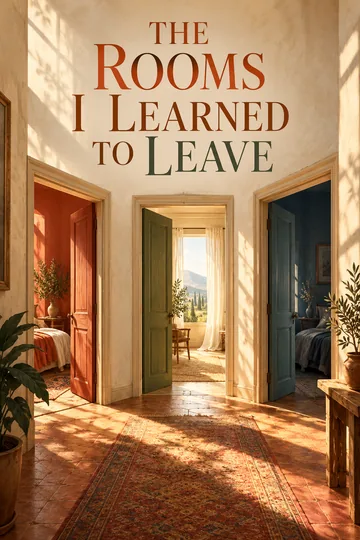
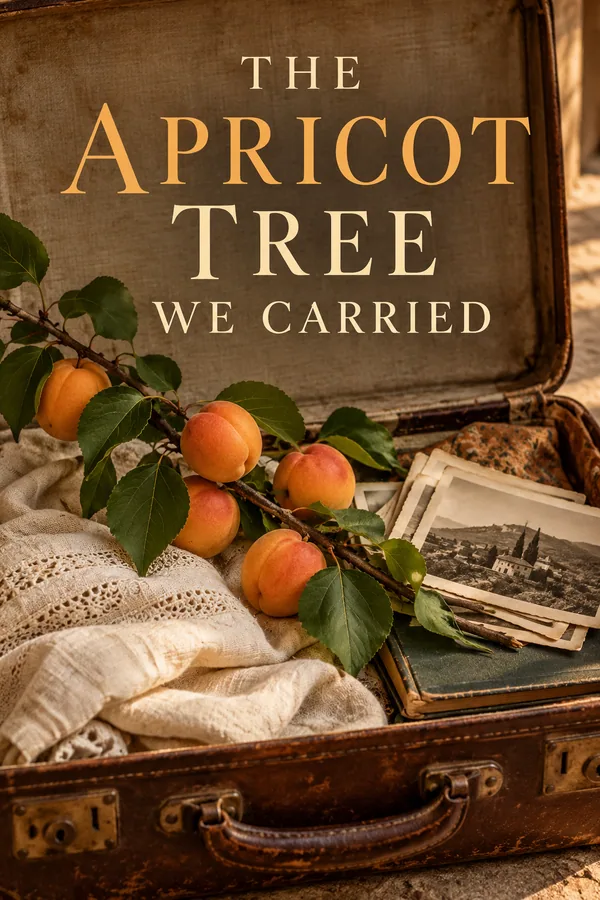
Sample covers. Your book gets its own design.
This page starts from written material. Transcribe or summarize recordings you are authorized to use, then paste the relevant notes into your brief. Check quotations against the original recordings.
Create your account, then start a $0 seven-day trial to write and download your first 10,000-word book. Card required; then $24.99/month unless canceled.
Yes. Edit the prompt or choose an example, then continue to the book creator to choose your settings. This page carries your idea through signup or login; you review the finished draft before sharing it.