Write Your Memoir

Turn your memories into chapters, in your own voice.

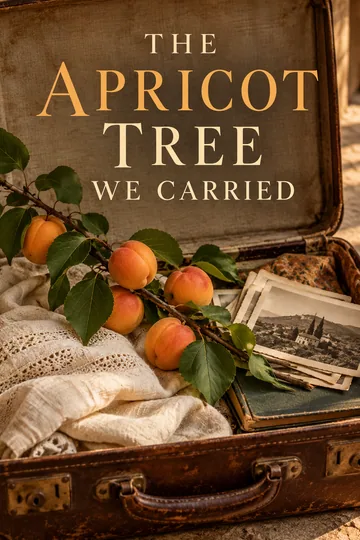
Sample memoir cover: The Apricot Tree We Carried
Cover concept

Start with your email. Choose your book next.

100% five-star reviews on Trustpilot (12 reviews) Read John R's review

it has been great.
Cheri

Shape the story you can honestly tell

Choose a clear scope, distinguish memory from evidence and connect lived scenes with thoughtful reflection.

Mix your favorites. Tap again to remove.

What holds the memoir together?
How should uncertainty appear?
How do scenes earn reflection?

Try a different beginning

Choose a premise. Your selected details stay with it.

A Season of Learning

For a memoir book: Help me plan a memoir about one season when I learned a practical skill. Begin by identifying the period, people and events I can document or remember. Build a structure around changing confidence, with scenes drawn only from my material. Mark uncertain dates and dialogue, and do not invent experiences or another person’s thoughts.

The Place I Returned To

For a memoir book: Help me outline a memoir about returning to a place that mattered earlier in my life. Use only memories and records I supply. Separate what I knew then from what I understand now, identify a guiding question and flag gaps for me to answer. Preserve uncertainty and other people’s privacy.

Working Lives

For a memoir book: Help me shape a memoir around a period of my working life. Organize my supplied events around a clear transition rather than an entire biography. Use factual scenes, distinguish recollection from documents and connect reflection to specific moments. Do not fabricate achievements, dialogue or a neat lesson unsupported by my experience.

Plan a memoir from your memories

A memoir does not need to cover every year of a life. Choose a period, relationship or question that gives your memories a shape. Gather the moments you can actually support, including where your recollection is uncertain, then decide what you understand now that you did not understand then. The brief should organize your material while protecting its factual limits. The planning tools here are free to use. Your first 10,000-word book uses a $0 seven-day trial, with a card required, then $24.99/month unless canceled.

Shape memories without inventing them

Turn a craft decision into a clearer brief.

  1. Choose the central question

    Begin with the question that makes this part of your life worth revisiting. It might concern belonging, a difficult choice or a relationship that changed over time. Use that question to select scenes, rather than assuming every event deserves the same space because it happened in chronological order.

  2. Separate memory from certainty

    Mark dates, conversations and sequences you remember clearly, and distinguish them from impressions or details you are unsure about. Existing letters, photographs or records may help, but they do not justify inventing missing dialogue. Preserve uncertainty in the draft instead of smoothing every gap into a confident narrative account.

  3. Keep scene and reflection distinct

    A scene shows what you experienced at the time; reflection explains what you make of it now. Let both contribute without giving your earlier self knowledge acquired later. Moving between the two perspectives can create depth, especially when the meaning of an ordinary event changes as the memoir develops.

Review your idea ↑

The year of small departures

An example you can use as a starting point.

Scope
One year of change
Material
Supplied memories and records
Question
What makes a place home?
Help shape a memoir about one year when my sense of home changed. Use only the memories, dates, documents and relationships I provide. Organize scenes around what belonging meant at different moments, distinguish remembered impressions from supported facts, and preserve uncertainty. Do not invent dialogue, events or other people’s motives. Keep my voice and separate present reflection from what I knew then.

Review your idea ↑

A simple memoir outline

Choose one meaningful period of your life, then work through these five questions.

A prompt you can adapt

Write a first-person memoir draft about [period or theme] for [reader]. Use these memories: [notes]. Keep my voice [tone]. Follow this outline: [chapters]. Use only the facts I supply; do not invent events or quotations. Mark uncertain details for me to check. Use placeholders for names I want to keep private.

Plans and credit costs · How your information is handled

A little cover inspiration

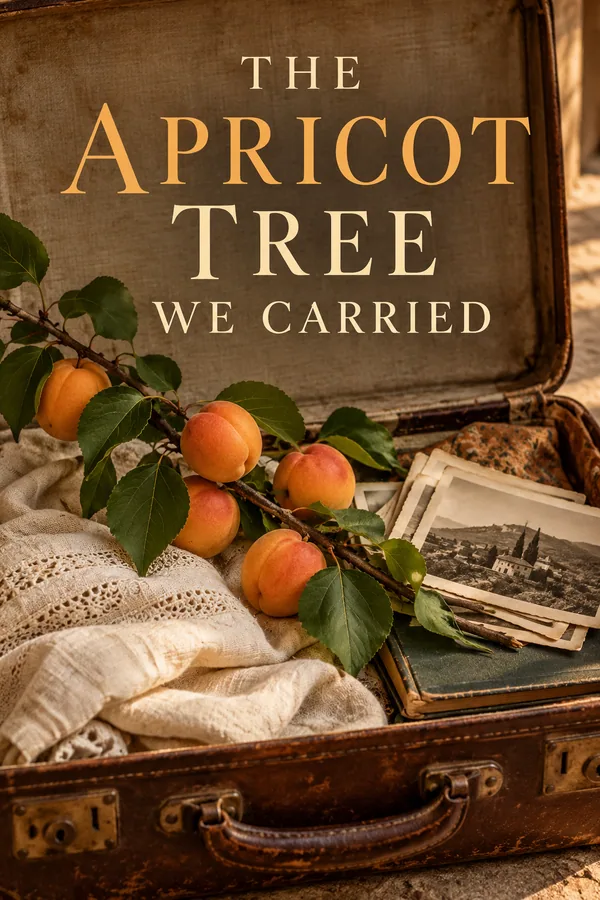
Sample covers. Your book gets its own design.

Common Questions

Can AI help me write a memoir?

Yes. ImagineYourBook can organize your memories and notes into a chapter-based draft. You remain responsible for checking the facts and editing the result into your own voice.

Do I need a full outline?

No. Start with a theme and the events you remember. The five-question outline on this page can help you organize them before you write.

Will AI invent details about my life?

It can. Supply concrete notes, ask it not to invent events or quotations, and check every chapter. Prompt instructions reduce ambiguity but do not guarantee factual accuracy.

Can I edit and download my memoir?

Yes. You can edit your book and download Word (.docx), EPUB, or Markdown files after it is unlocked.

How many words will my Memoir book have?

This prompt starts the Small Book flow, which is designed for a first draft of up to about 10,000 words. You can adjust the length in Create Book when your plan and credits allow it.

Is the first book really free?

Yes, within the $0 seven-day trial. A card starts the trial and nothing is charged today. You get a reminder email before it ends, and you pay nothing if you cancel before day 8.

Do I need a finished outline for a Memoir book?

No. One clear idea is enough to start. The draft gets stronger when you add audience, tone, must-have scenes or chapters, boundaries, and any facts you already know.

Can I turn this Memoir book into a series?

Yes. Once you have a completed book in your account, Series Builder can use bounded continuity context from that book when you create the next volume. That helps keep characters, canon, tone, and open threads consistent, and it is useful for KDP authors who want repeat sales from readers moving through a series.

What if I cannot remember an exact conversation?

Do not present invented dialogue as a transcript. You can summarize what you remember, qualify your recollection or leave a gap for later research. The brief should say how you want uncertainty handled instead of asking the draft to make every scene complete.

Should my memoir follow strict chronological order?

It can, but a thematic or framed structure may better serve the central question. Whichever approach you choose, keep the timeline understandable and avoid implying that events caused one another simply because they appear next to each other in the narrative.
See example books

How the AI book generator works Browse all book generators

$0 for 7 days. Card required. Then $24.99/month unless canceled.

Start Book One

Already a member?