Generate Your Assertiveness Book

Your idea, a complete book, and a cover of its own.

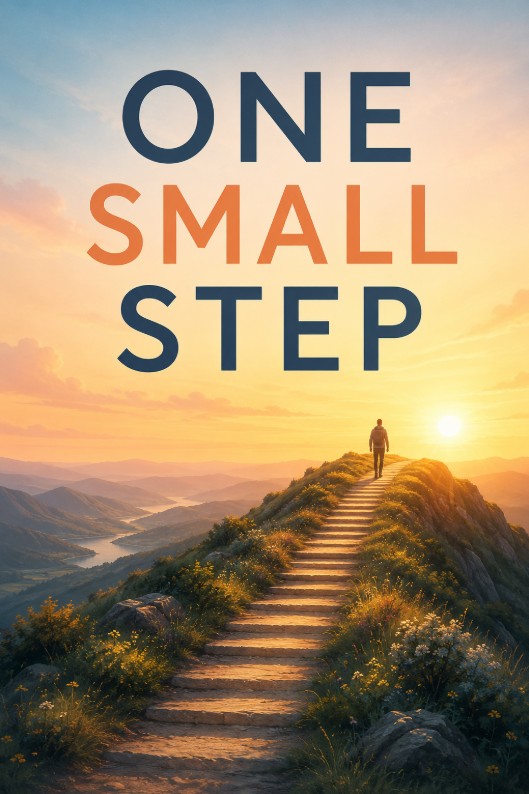
Example self-help book cover with a single sunlit path, calm gradient, and clean uplifting typography.
Cover concept

First 10,000-word book: $0 for 7 days. Card required. Then $24.99/month unless canceled.

100% five-star reviews on Trustpilot Read reader stories

Make the book useful and trustworthy

Define the reader’s task, organize what helps and keep claims separate from evidence still needed.

Mix your favorites. Tap again to remove.

What should the reader gain?
How should the material build?
What needs checking?

Try a different beginning

Choose a premise. Your selected details stay with it.

A Guide to Community Records

For a assertiveness book: Plan a nonfiction guide for volunteers organizing a small community archive. Define the audience, explain a workable process and use clearly labeled illustrative examples. Flag preservation, privacy and legal claims that require authoritative review. Do not invent sources, professional endorsements or guaranteed results.

Understanding Everyday Systems

For a assertiveness book: Create a nonfiction book plan explaining how a selected everyday public system works for curious general readers. Start with one concrete question per section, show tradeoffs and distinguish evidence from interpretation. Identify facts requiring primary sources and avoid fabricated quotations or claims of verified expertise.

Choosing a Small Project

For a assertiveness book: Develop a practical nonfiction guide to choosing and planning a modest community project. Focus on reader decisions, realistic constraints and transparent comparisons. Include illustrative scenarios labeled as invented, a source-checking plan and clear limits. Avoid promising funding, participation or any other outcome.

Plan the reader’s progress

Turn a craft decision into a clearer brief.

  1. Define a useful result

    Choose one reader and one outcome they can recognize. A narrow promise makes examples, terminology and chapter order easier to select. State the starting knowledge so the opening teaches something useful instead of repeating familiar background.

  2. Move from example to practice

    Explain one idea, demonstrate it with a clearly labeled example, then give the reader a small action. Separate supplied evidence from illustrative scenarios so a fluent explanation does not accidentally become an unsupported claim.

  3. Make progress observable

    End a chapter with something readers can inspect: a decision, a draft, a completed step or a question they can now answer. Avoid promising that a book alone guarantees a financial, medical or professional result.

Review your idea ↑

A starting brief for assertiveness

An example you can use as a starting point.

Focus
a Assertiveness book that blends insight, story, and practical steps readers can use today
Reader
readers and creators working on Assertiveness and personal change
Review
Check supplied facts and mark gaps
Create a Assertiveness book about daily habit guide. Combine relatable stories, clear principles, and small daily actions or prompts that lead to lasting change. Keep the tone warm, honest, and motivating.

Review your idea ↑

What makes a strong Assertiveness Book

Self-help works when it meets the reader in a real struggle and gives them something small and doable to start today.

Common Questions

Can I use this for a Assertiveness book?

Yes. Start with the Assertiveness prompt, add your audience, tone, and must-have details, then continue into the single-pass Create Book workflow.

How many words will my Assertiveness book have?

This prompt starts the Small Book flow, which is designed for a first draft of up to about 10,000 words. You can adjust the length in Create Book when your plan and credits allow it.

Is the first book really free?

Yes, within the $0 seven-day trial. A card starts the trial and nothing is charged today. You get a reminder email before it ends, and you pay nothing if you cancel before day 8.

Do I need a finished outline for an Assertiveness book?

No. One clear idea is enough to start. The draft gets stronger when you add audience, tone, must-have scenes or chapters, boundaries, and any facts you already know.

Can I turn this Assertiveness book into a series?

Yes. Once you have a completed book in your account, Series Builder can use bounded continuity context from that book when you create the next volume. That helps keep characters, canon, tone, and open threads consistent, and it is useful for KDP authors who want repeat sales from readers moving through a series.

Can I change the prompt before generating?

Yes. Edit the prompt on this page or continue into Create Book and adjust title, genre, language, length, and advanced fields before you generate.

Will this create the book immediately on this page?

No. This page saves your prompt and sends you into the normal ImagineYourBook workflow after signup or login. Book generation remains a single-pass flow.

Can I use this for fiction, nonfiction, children's books, and business ebooks?

Yes. The same creator supports novels, romance, memoirs, biographies, children's stories, practical guides, lead magnets, educational books, and many other structured book drafts.
See example books

Browse all book generators

$0 for 7 days. Card required. Then $24.99/month unless canceled.

Start Book One

Already a member?