Idea 01
Write a Archaeologist Romance book: An archaeologist and a museum educator disagree about an exhibition narrative and discover that both have left important personal stories untold.
Let discoveries bring two adults together without letting the past decide their future.

Choose the friction, emotional need and proof of care that make this adult relationship feel earned.
Mix your favorites. Tap again to remove.

Choose a premise. Your selected details stay with it.
Write a Archaeologist Romance book: An archaeologist and a museum educator disagree about an exhibition narrative and discover that both have left important personal stories untold.
Write a Archaeologist Romance book: Two former research partners reunite to review an excavation archive before its return to local custodians.
Write a Archaeologist Romance book: A field archaeologist and a conservation specialist work through conflicting evidence while deciding whether their brief collaboration can become a lasting relationship.
Choose one or combine several in your idea.
ThriftBooks / Talker Research, 2025. 2,000 US romance readers. Preferences overlap.
Choose visual inspiration for the setting.
Turn a craft decision into a clearer brief.
Open with a concrete desire and one detail that makes this particular world matter. Let readers understand what the lead wants before asking them to remember a large cast or a history lesson.
Escalation works when a decision creates the next problem. Let a partial success carry a cost, so the middle develops the premise instead of repeating the same confrontation at a larger scale.
An earned ending uses something established earlier: a skill, a promise, a relationship or a costly lesson. Resolve the central question, then leave only the threads you deliberately want to carry forward.
An example you can use as a starting point.
Create a Archaeologist Romance book about A disputed interpretation. Use adult romantic leads with meaningful agency. Keep intimacy consensual and non-graphic. Give the central relationship an earned happy or hopeful ending.
A find can change a relationship because it changes what people owe each other. Use interpretation, stewardship and professional ambition as genuine choices rather than treating artifacts as prizes.
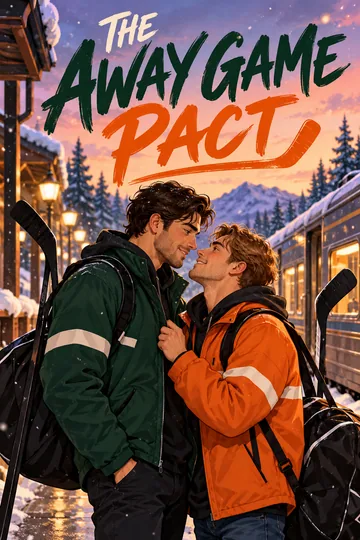
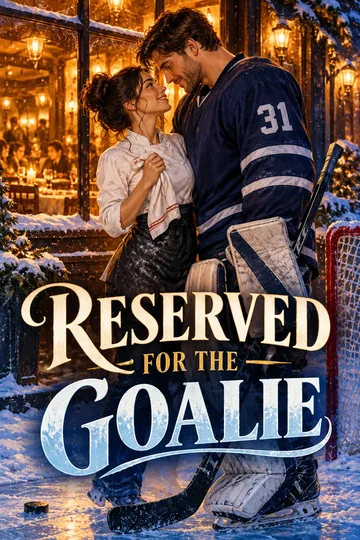
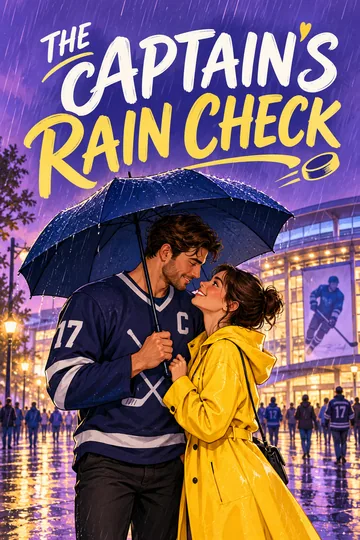
Sample covers. Your book gets its own design.
Give the work context, permissions and local relationships. The object can prompt a question, but the story should recognize the people responsible for its care and avoid equating discovery with ownership.
Create your account, then start a $0 seven-day trial to write and download your first 10,000-word book. Card required; then $24.99/month unless canceled.
Yes. Edit the prompt or choose an example, then continue to the book creator to choose your settings. This page carries your idea through signup or login; you review the finished draft before sharing it.