Idea 01
Write a Science Adventure Chapter book: A school team building a shade map finds one courtyard cooler than its prediction and investigates before choosing a garden site.
Build an age-appropriate adventure around observation, a surprising result and the courage to test a new idea.
Choose clear feelings, satisfying repetition and age-appropriate challenges with room for a child’s own choices.
Mix your favorites. Tap again to remove.
Choose a premise. Your selected details stay with it.
Write a Science Adventure Chapter book: A school team building a shade map finds one courtyard cooler than its prediction and investigates before choosing a garden site.
Write a Science Adventure Chapter book: Two siblings preparing a sound exhibit discover that their recordings change in different rooms.
Write a Science Adventure Chapter book: A class weather project produces conflicting measurements, and the team must work out whether the instruments, locations or their own assumptions differ.
Choose visual inspiration for the setting.
Turn a craft decision into a clearer brief.
Give the reader a clear character, a manageable problem and a reason to care. Keep the vocabulary appropriate to the stated reading level. An interesting question usually does more than an opening paragraph explaining the lesson.
Let the hero attempt something, notice why it did not work and choose a different approach. Repetition can make a story reassuring when the details change. Keep adult help consistent with the independence the story gives its young lead.
Pay off the original question with a concrete change the reader can see. For read-aloud work, check how the final lines sound. Plan illustrations separately and review them against the text instead of assuming every described scene will become an image.
An example you can use as a starting point.
Create a Science Adventure Chapter Book about An observation. Write for readers aged seven to ten. Use age-appropriate language, manageable stakes and a hopeful resolution. Keep trusted adult help available.
Let the experiment create a story problem, not a lecture. The children should notice something, make a testable prediction and revise their plan when the result disagrees with them.
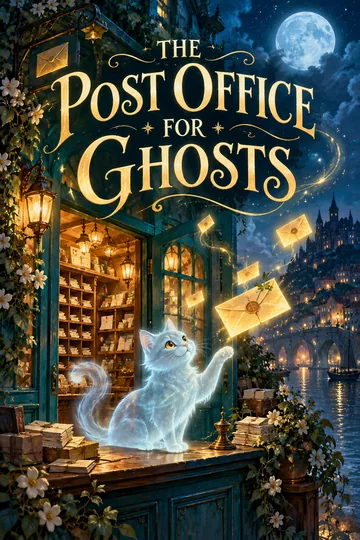
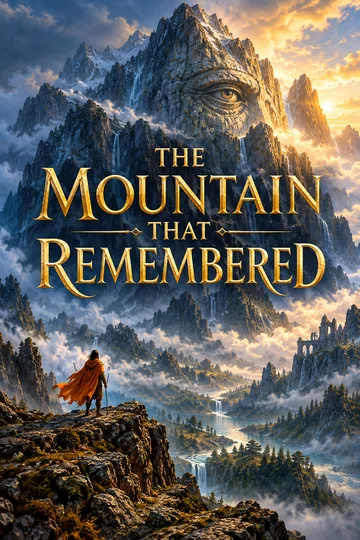
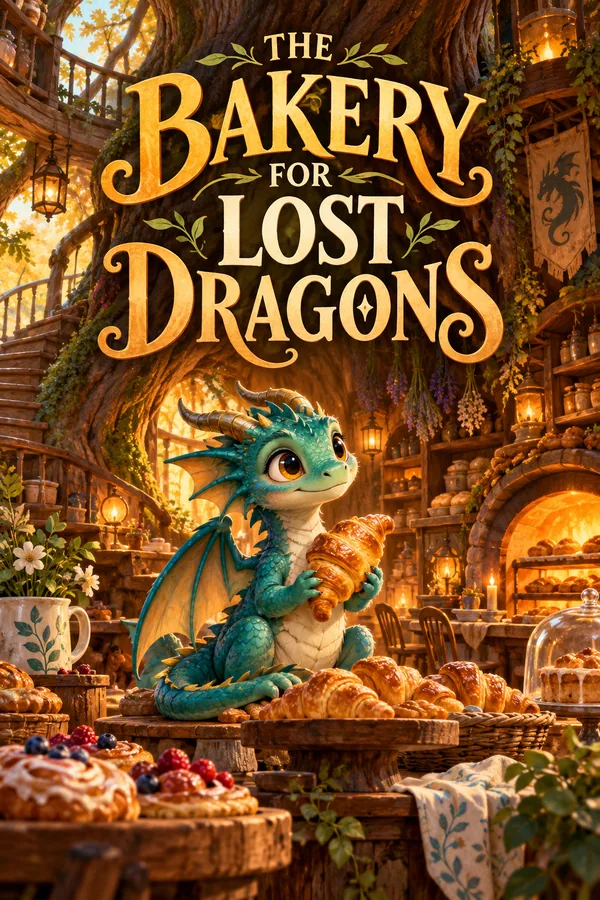
Sample covers. Your book gets its own design.
Yes. A deadline, conflicting evidence or a disagreement about the next test can create momentum. Give the scientific result a practical consequence and let the children learn through action rather than an all-knowing explanation.
Create your account, then start a $0 seven-day trial to write and download your first 10,000-word book. Card required; then $24.99/month unless canceled.
Yes. Edit the prompt or choose an example, then continue to the book creator to choose your settings. This page carries your idea through signup or login; you review the finished draft before sharing it.