Idea 01
Write a Neighborhood Map Friendship Chapter book: Two new classmates draw different routes to the library and discover a useful quiet stopping place.
Two children discover that the same streets can hold very different favorite places.
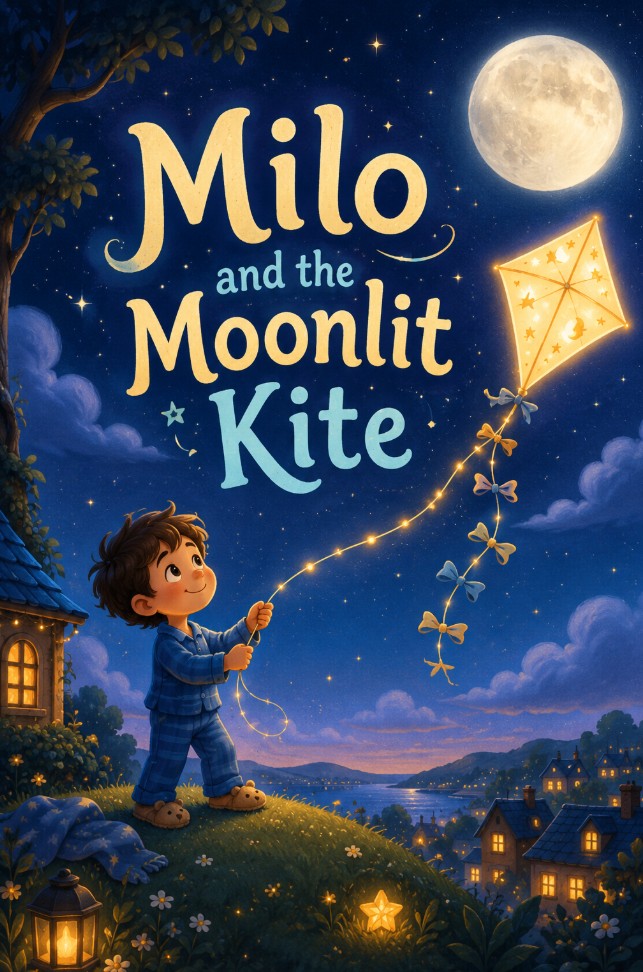
Choose clear feelings, satisfying repetition and age-appropriate challenges with room for a child’s own choices.
Mix your favorites. Tap again to remove.
Choose a premise. Your selected details stay with it.
Write a Neighborhood Map Friendship Chapter book: Two new classmates draw different routes to the library and discover a useful quiet stopping place.
Write a Neighborhood Map Friendship Chapter book: A map-club pair disagree about including a small repair shop until they learn whom it helps.
Write a Neighborhood Map Friendship Chapter book: Children making a welcome map compare the journeys of a walker, a wheelchair user and a bus passenger.
Choose visual inspiration for the setting.
Turn a craft decision into a clearer brief.
Give the reader a clear character, a manageable problem and a reason to care. Keep the vocabulary appropriate to the stated reading level. An interesting question usually does more than an opening paragraph explaining the lesson.
Let the hero attempt something, notice why it did not work and choose a different approach. Repetition can make a story reassuring when the details change. Keep adult help consistent with the independence the story gives its young lead.
Pay off the original question with a concrete change the reader can see. For read-aloud work, check how the final lines sound. Plan illustrations separately and review them against the text instead of assuming every described scene will become an image.
An example you can use as a starting point.
Create a Neighborhood Map Friendship Chapter Book about Different observations. Write for readers aged seven to ten. Use age-appropriate language, manageable stakes and a hopeful resolution. Keep trusted adult help available.
A mapping project gives new friends a task with visible choices. Keep journeys supervised and use disagreements about what belongs on the map to explore listening, access and shared ownership.
Let the children notice what matters to one another and change a design decision because they listened. The finished map becomes evidence of that cooperation.
Create your account, then start a $0 seven-day trial to write and download your first 10,000-word book. Card required; then $24.99/month unless canceled.
Yes. Edit the prompt or choose an example, then continue to the book creator to choose your settings. This page carries your idea through signup or login; you review the finished draft before sharing it.