Idea 01
Write a Locked-Room Mystery book: A curator is found in a sealed conservation room after a scheduled power interruption.
Your idea, a complete book, and a cover of its own.
Choose meaningful clues, credible secrets and an investigation whose solution respects the evidence.
Mix your favorites. Tap again to remove.
Choose a premise. Your selected details stay with it.
Write a Locked-Room Mystery book: A curator is found in a sealed conservation room after a scheduled power interruption.
Write a Locked-Room Mystery book: An antique clock disappears from a glass cabinet while every key remains accounted for.
Write a Locked-Room Mystery book: A private observatory holds evidence of a crime despite an apparently uninterrupted watch.
Choose visual inspiration for the setting.
Turn a craft decision into a clearer brief.
Decide what a clue really establishes before choosing its misleading explanation. Both readings should fit the visible evidence. A satisfying solution changes the interpretation of an earlier detail rather than adding a fact the reader could never know.
A suspect can have an excellent reason to lie without being responsible for the central crime. Give each secret a function in the investigation, and let the sleuth test an explanation through observable evidence.
Trace the solution backward through the evidence the reader has already encountered. The explanation should answer the main practical questions and reveal what the sleuth understood, without depending on an unseen confession.
An example you can use as a starting point.
Create a Locked-Room Mystery book about Locked-Room Mystery. Establish the apparent impossibility, a limited suspect list, the actual sequence, and the overlooked assumption. Plant the decisive clues before the reveal. Keep violence non-graphic and resolve motive, means, and opportunity. Write an original, complete book draft; use no existing franchise characters.
Design the actual sequence first, then decide which reasonable assumption makes the event appear impossible.
Common traps: Adding an unmentioned passage at the reveal; Relying on precise mechanics the draft never establishes.
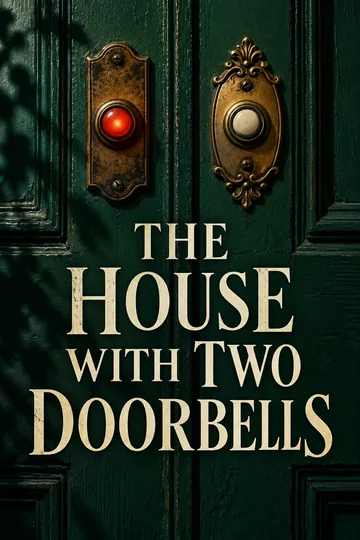
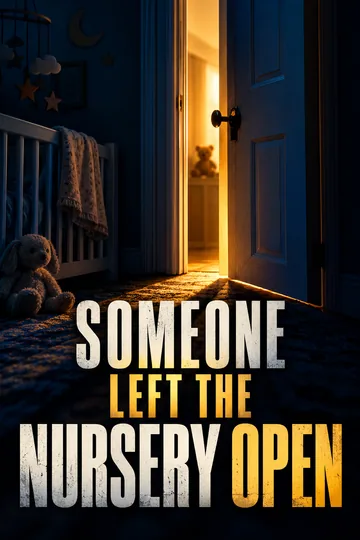
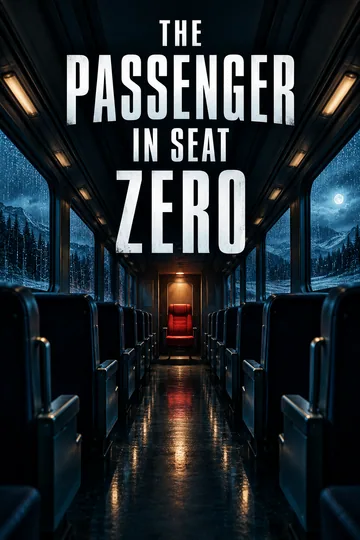
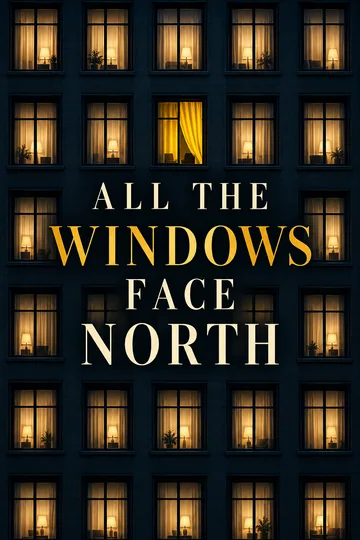
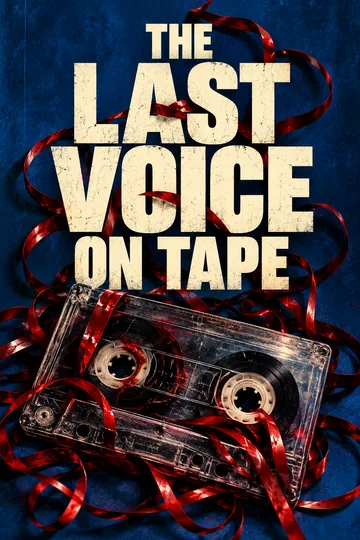
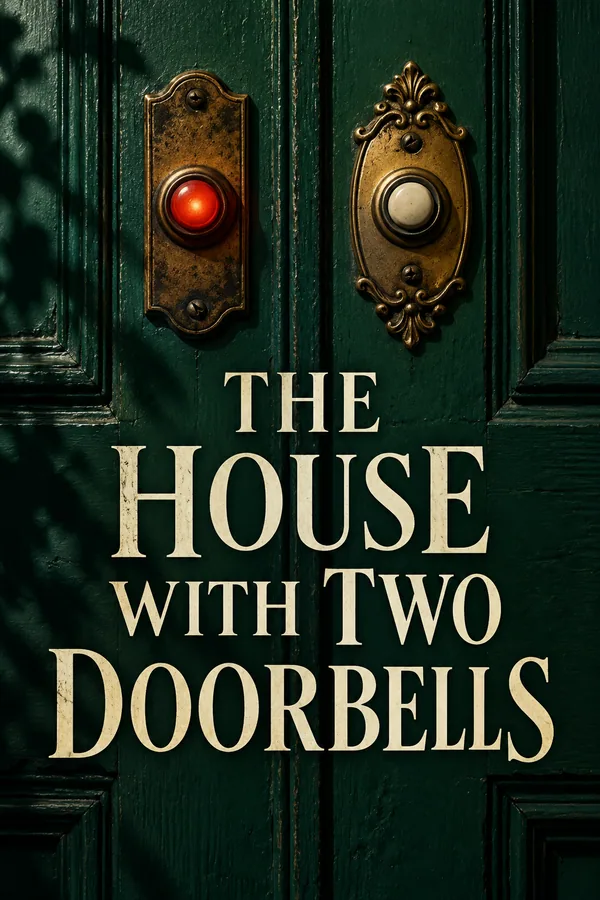
Sample covers. Your book gets its own design.
A locked-room story centers on an apparently impossible act. A closed-circle story limits who could be responsible, often through isolation. A story may use both, but each creates a different puzzle.
Review the clue order, timeline, and solution. AI can miss instructions; edit the manuscript before sharing or publishing it.
Create your account, then start a $0 seven-day trial to write and download your first 10,000-word book. Card required; then $24.99/month unless canceled.
Yes. Edit the prompt or choose an example, then continue to the book creator to choose your settings. This page carries your idea through signup or login; you review the finished draft before sharing it.