Historical Book Generator

Your idea, a complete book, and a cover of its own.

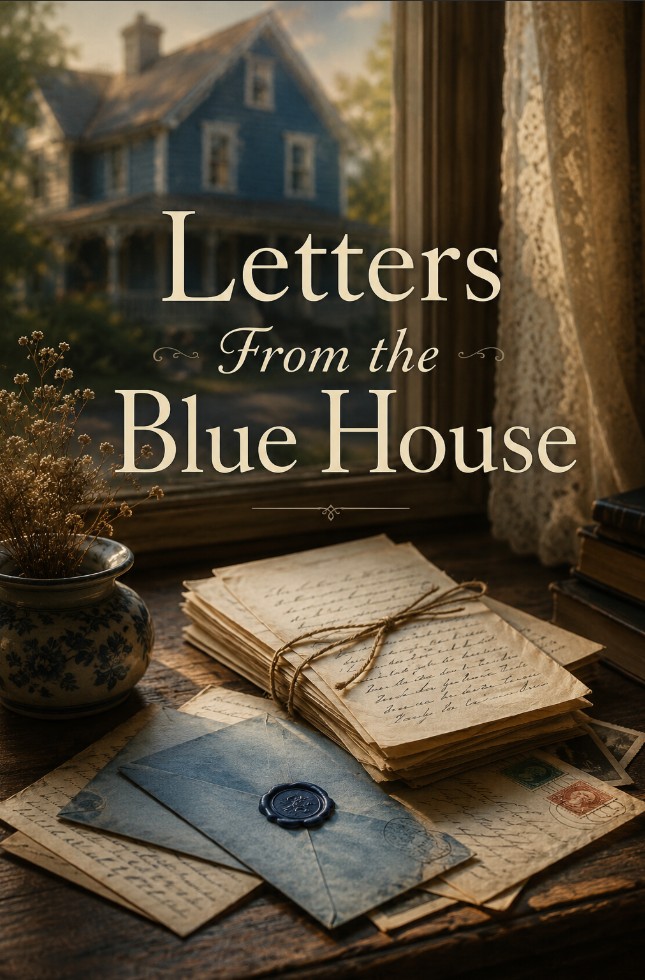
Example memoir cover with handwritten letters, a blue house, and warm nostalgic light.
Cover concept

Start with your email. Choose your book next.

100% five-star reviews on Trustpilot (12 reviews) Read John R's review

it has been great.
Cheri

Put lived choices inside history

Choose a precise setting, meaningful period constraints and details that earn their place in the story.

Mix your favorites. Tap again to remove.

What anchors the period?
How does history create pressure?
What makes the detail trustworthy?

Try a different beginning

Choose a premise. Your selected details stay with it.

The Survey Book

For a historical book: Plan a historical novel about a junior surveyor whose field notes conflict with a proposed railway route through a nineteenth-century town. Choose a specific place and year before drafting. Build pressure through work, local obligations and limited knowledge, while flagging technical and legal details for research.

The Translators’ Room

For a historical book: Develop a historical novel about a translator working on public notices in a multilingual port during a period of political change. Set the exact place and period first. Let language choices have practical consequences, distinguish documented events from invented scenes and avoid fabricated historical quotations.

The Winter Ledger

For a historical book: Create a historical novel about a shopkeeper deciding how to extend credit during a difficult winter. Select a precise setting before establishing prices, travel and social rules. Give residents competing understandable needs, limit the protagonist’s knowledge to the time and keep a clear list of details requiring research.

Plan a historical novel online

Historical fiction needs a person with a problem inside a particular time and place. Choose the year, location and social position before collecting period details. Research should shape what the protagonist can know, afford, travel to and change. A strong brief separates documented events from invented characters, so atmosphere and chronology support the story instead of obscuring it. The planning tools here are free to use. Your first 10,000-word book uses a $0 seven-day trial, with a card required, then $24.99/month unless canceled.

Give the world a texture

Choose visual inspiration for the setting.

Review your idea ↑

Make the period change the choices

Turn a craft decision into a clearer brief.

  1. Choose a precise position

    A date and country are not enough to establish daily life. Specify the protagonist’s work, resources, social position and access to information. Those details determine which risks are plausible and which solutions are unavailable, helping the plot feel rooted in the period rather than dressed in historical costumes.

  2. Separate records from invention

    Keep a list of real events and details that must remain accurate, then distinguish the scenes and characters you are inventing. Where evidence is uncertain, preserve that uncertainty in your notes. This lets you build a vivid story without presenting imagined dialogue or unsupported motives as established historical fact.

  3. Let detail earn its place

    Use a period detail when it changes an action or reveals a value. A particular tool, fare or household rule can create an obstacle more effectively than a paragraph of research. Keep the reader oriented, but allow the character’s immediate purpose to decide which background information appears in each scene.

Review your idea ↑

The borrowed printing press

An example you can use as a starting point.

Place
A small coastal town
Period
A researched nineteenth-century setting
Conflict
A notice nobody will print
Outline a historical novel about a typesetter in a small nineteenth-century coastal town who is asked to print a public notice that powerful local figures want suppressed. Select and research an exact year and location before drafting factual details. Use an invented cast, make the available technology and social constraints affect the plot, and flag unverified period facts rather than treating them as certain.

Review your idea ↑

What makes a strong Historical Book

Historical fiction earns its world through specific detail, but lives or dies on a human story the reader cares about.

Shape the idea first

Try a free story planner. Choose your characters and conflict, then keep the premise and five story beats.

Browse all free writing tools →

Common Questions

Can I use this for a Historical book?

Yes. Start with the Historical prompt, add your audience, tone, and must-have details, then continue into the single-pass Create Book workflow.

How many words will my Historical book have?

This prompt starts the Small Book flow, which is designed for a first draft of up to about 10,000 words. You can adjust the length in Create Book when your plan and credits allow it.

Is the first book really free?

Yes, within the $0 seven-day trial. A card starts the trial and nothing is charged today. You get a reminder email before it ends, and you pay nothing if you cancel before day 8.

Do I need a finished outline for a Historical book?

No. One clear idea is enough to start. The draft gets stronger when you add audience, tone, must-have scenes or chapters, boundaries, and any facts you already know.

Can I turn this Historical book into a series?

Yes. Once you have a completed book in your account, Series Builder can use bounded continuity context from that book when you create the next volume. That helps keep characters, canon, tone, and open threads consistent, and it is useful for KDP authors who want repeat sales from readers moving through a series.

Can I change the prompt before generating?

Yes. Edit the prompt on this page or continue into Create Book and adjust title, genre, language, length, and advanced fields before you generate.

Will this create the book immediately on this page?

No. This page saves your prompt and sends you into the normal ImagineYourBook workflow after signup or login. Book generation remains a single-pass flow.

Can I use this for fiction, nonfiction, children's books, and business ebooks?

Yes. The same creator supports novels, romance, memoirs, biographies, children's stories, practical guides, lead magnets, educational books, and many other structured book drafts.

How much research belongs in the prompt?

Include the facts that constrain the story: exact setting, major events, social position, technology and any sources you want preserved. Keep a separate research list for details still to verify. A long collection of facts is less useful than a clear distinction between what must be true and what may be invented.

Can real historical people appear in the story?

They can be part of a historical-fiction project, but distinguish documented actions from invented dialogue or motives. Avoid treating the draft as a factual account. When accuracy matters, check primary records and relevant scholarship rather than relying on generated recollection.
See example books

Browse all book generators

$0 for 7 days. Card required. Then $24.99/month unless canceled.

Start Book One

Already a member?