Idea 01
Write a Gothic Romantic Mystery book: An estate surveyor and a caretaker uncover why one corridor is absent from every building plan.
Your idea, a complete book, and a cover of its own.
Choose the friction, emotional need and proof of care that make this adult relationship feel earned.
Mix your favorites. Tap again to remove.

Choose a premise. Your selected details stay with it.
Write a Gothic Romantic Mystery book: An estate surveyor and a caretaker uncover why one corridor is absent from every building plan.
Write a Gothic Romantic Mystery book: A conservator finds two dates beneath the portrait of a supposedly vanished bride.
Write a Gothic Romantic Mystery book: A translator and a lighthouse archivist investigate letters addressed to a room that never existed.
Choose one or combine several in your idea.
ThriftBooks / Talker Research, 2025. 2,000 US romance readers. Preferences overlap.
Choose visual inspiration for the setting.
Turn a craft decision into a clearer brief.
Open with a concrete desire and one detail that makes this particular world matter. Let readers understand what the lead wants before asking them to remember a large cast or a history lesson.
Escalation works when a decision creates the next problem. Let a partial success carry a cost, so the middle develops the premise instead of repeating the same confrontation at a larger scale.
An earned ending uses something established earlier: a skill, a promise, a relationship or a costly lesson. Resolve the central question, then leave only the threads you deliberately want to carry forward.
An example you can use as a starting point.
Create a Gothic Romantic Mystery book about Gothic Romantic Mystery. Use architecture, records, and family stories as clues. Decide whether apparent hauntings have a natural explanation. Resolve the mystery and the relationship. All romantic leads are adults. Keep intimacy non-graphic and consensual. Write an original, complete book draft; use no existing franchise characters.
Atmosphere becomes useful when a room, object, or local ritual changes how a clue can be understood.
Common traps: Substituting fog and dreams for evidence; Changing supernatural rules only to solve the ending.
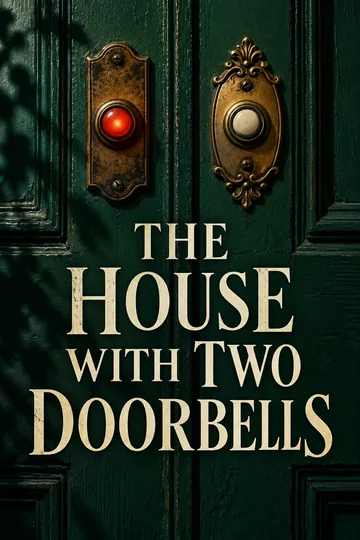
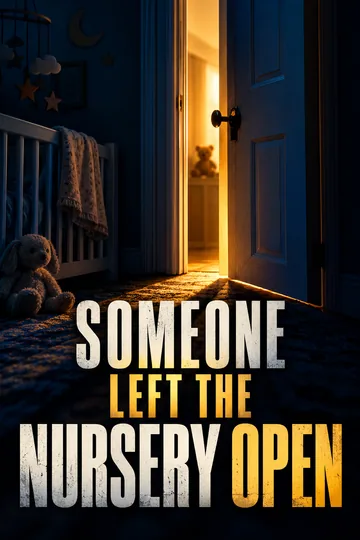
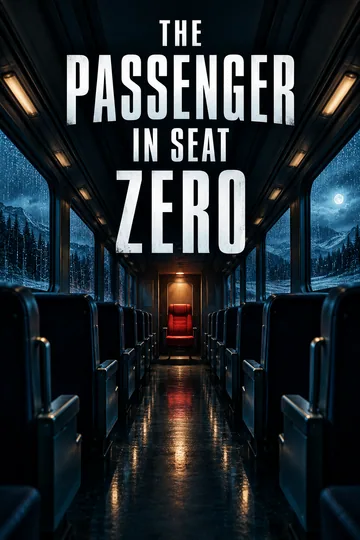
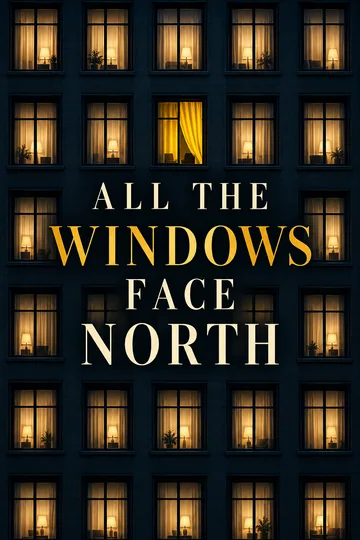
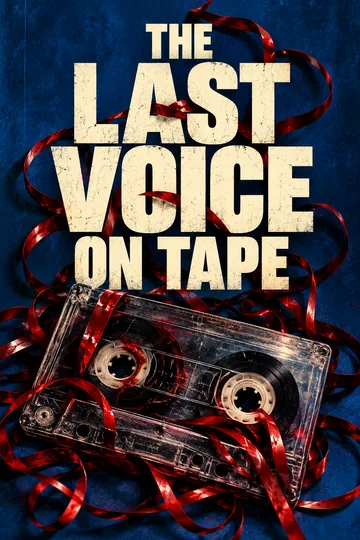
Sample covers. Your book gets its own design.
Yes. Specify a rational explanation and ask for fair clues. You can keep uncertainty around minor details while resolving the central mystery clearly.
Review the relationship progression, character agency, and ending. AI can miss instructions; edit the manuscript before sharing or publishing it.
Create your account, then start a $0 seven-day trial to write and download your first 10,000-word book. Card required; then $24.99/month unless canceled.
Yes. Edit the prompt or choose an example, then continue to the book creator to choose your settings. This page carries your idea through signup or login; you review the finished draft before sharing it.