Idea 01
Write a Dinosaur Adventure for Kids book: Write a story for ages 6 to 9 about children at a museum tracing a mixed-up display of dinosaur footprints.
Build a dinosaur story around curiosity, distinct creatures, and an age-appropriate problem worth solving.
Choose clear feelings, satisfying repetition and age-appropriate challenges with room for a child’s own choices.
Mix your favorites. Tap again to remove.
Choose a premise. Your selected details stay with it.
Write a Dinosaur Adventure for Kids book: Write a story for ages 6 to 9 about children at a museum tracing a mixed-up display of dinosaur footprints.
Write a Dinosaur Adventure for Kids book: Write a playful dinosaur fantasy for ages 4 to 7 about a small dinosaur finding another way to guide friends through fog.
Write a Dinosaur Adventure for Kids book: Write a story for ages 7 to 10 about a supervised fossil-club outing where a child notices a shape everyone else overlooks.
Choose visual inspiration for the setting.
Turn a craft decision into a clearer brief.
Give the reader a clear character, a manageable problem and a reason to care. Keep the vocabulary appropriate to the stated reading level. An interesting question usually does more than an opening paragraph explaining the lesson.
Let the hero attempt something, notice why it did not work and choose a different approach. Repetition can make a story reassuring when the details change. Keep adult help consistent with the independence the story gives its young lead.
Pay off the original question with a concrete change the reader can see. For read-aloud work, check how the final lines sound. Plan illustrations separately and review them against the text instead of assuming every described scene will become an image.
An example you can use as a starting point.
Create a Dinosaur Adventure for Kids book about The footprint puzzle. Honor the chosen age and reading mode. Keep the story age-appropriate and caregivers responsible for safety. Check names and time periods when presenting dinosaur facts. Keep fictional behavior distinct from factual claims. Give curiosity and cooperation a larger role than frightening attacks. Keep facts accurate; do not invent factual claims. Clearly distinguish imaginary elements.
Decide whether dinosaurs are scientifically grounded animals or talking fantasy characters, then keep that choice consistent.
Common traps: Do not make a child responsible for solving an adult problem; Read aloud and review the language for the intended reader.
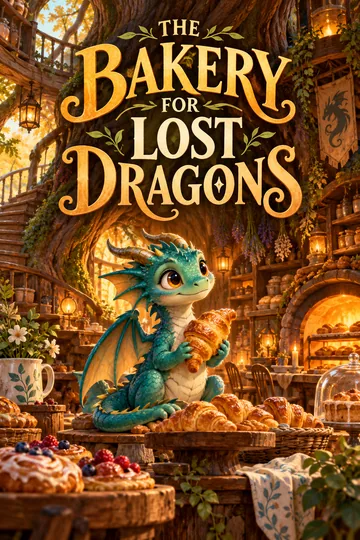
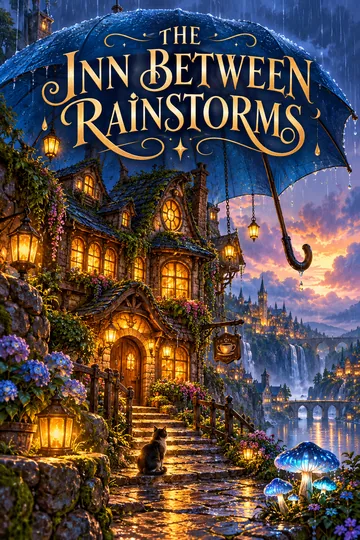
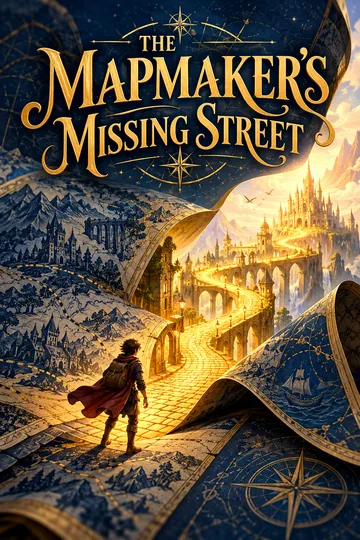
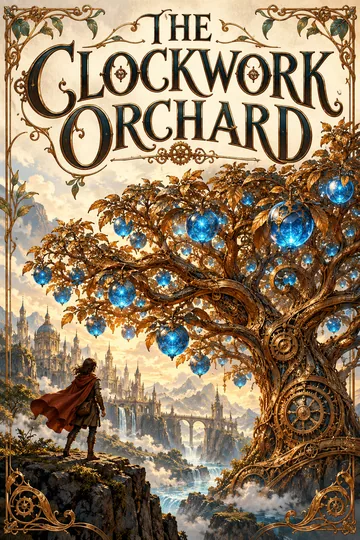
Sample covers. Your book gets its own design.
In an openly imaginary story, yes. In a fact-based story, check the time periods and locations rather than grouping every familiar dinosaur into one ecosystem.
Create your account, then start a $0 seven-day trial to write and download your first 10,000-word book. Card required; then $24.99/month unless canceled.
Yes. Edit the prompt or choose an example, then continue to the book creator to choose your settings. This page carries your idea through signup or login; you review the finished draft before sharing it.