Idea 01
Write a Academic Murder Mystery book: An archivist investigates a professor's death after a corrected footnote exposes a discovery's missing collaborator.
Connect intellectual rivalry to tangible stakes with precise evidence, institutional pressure, and a readable research puzzle.
Choose meaningful clues, credible secrets and an investigation whose solution respects the evidence.
Mix your favorites. Tap again to remove.
Choose a premise. Your selected details stay with it.
Write a Academic Murder Mystery book: An archivist investigates a professor's death after a corrected footnote exposes a discovery's missing collaborator.
Write a Academic Murder Mystery book: A research administrator finds a dataset withdrawn before the scientist who authorized it was informed of a fatal accident.
Write a Academic Murder Mystery book: A visiting scholar notices every attendee recalls a different version of the final seminar's central claim.
Choose visual inspiration for the setting.
Turn a craft decision into a clearer brief.
Decide what a clue really establishes before choosing its misleading explanation. Both readings should fit the visible evidence. A satisfying solution changes the interpretation of an earlier detail rather than adding a fact the reader could never know.
A suspect can have an excellent reason to lie without being responsible for the central crime. Give each secret a function in the investigation, and let the sleuth test an explanation through observable evidence.
Trace the solution backward through the evidence the reader has already encountered. The explanation should answer the main practical questions and reveal what the sleuth understood, without depending on an unseen confession.
An example you can use as a starting point.
Create a Academic Murder Mystery book about The corrected citation. Keep the fictional case, clues, and timeline consistent. Explain the disputed research in ordinary language. Give support staff and junior colleagues meaningful information. Make the decisive clue independently checkable within the story.
Academic disputes become motives when jobs, authorship, funding, or public trust depend on who receives credit.
Common traps: Do not hide the decisive clue until the reveal; Check the timeline and what each suspect could know.
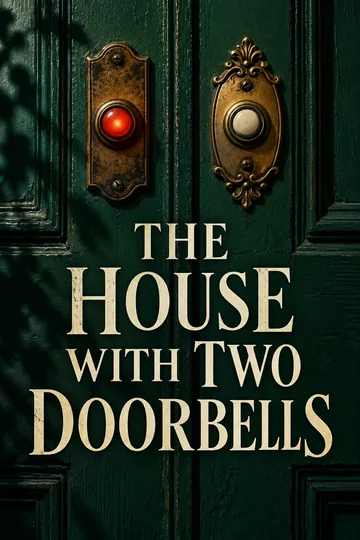
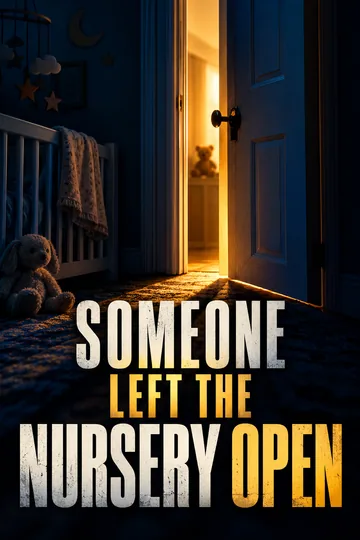
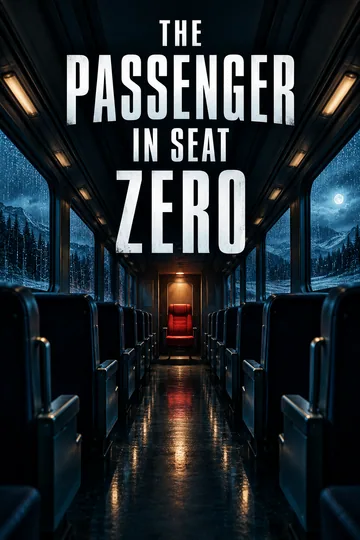
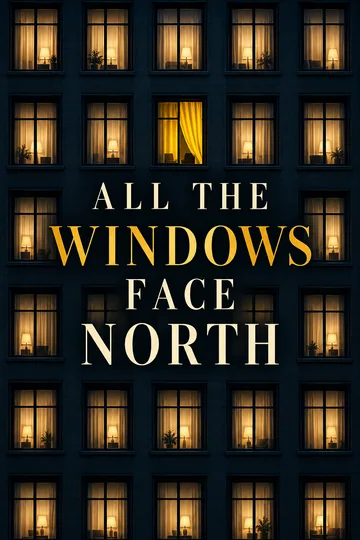
Sample covers. Your book gets its own design.
Technical enough to feel credible, but simple enough for a non-specialist to understand the consequence. Make the crucial inference available without specialist training.
Create your account, then start a $0 seven-day trial to write and download your first 10,000-word book. Card required; then $24.99/month unless canceled.
Yes. Edit the prompt or choose an example, then continue to the book creator to choose your settings. This page carries your idea through signup or login; you review the finished draft before sharing it.