The Probability of Missing You
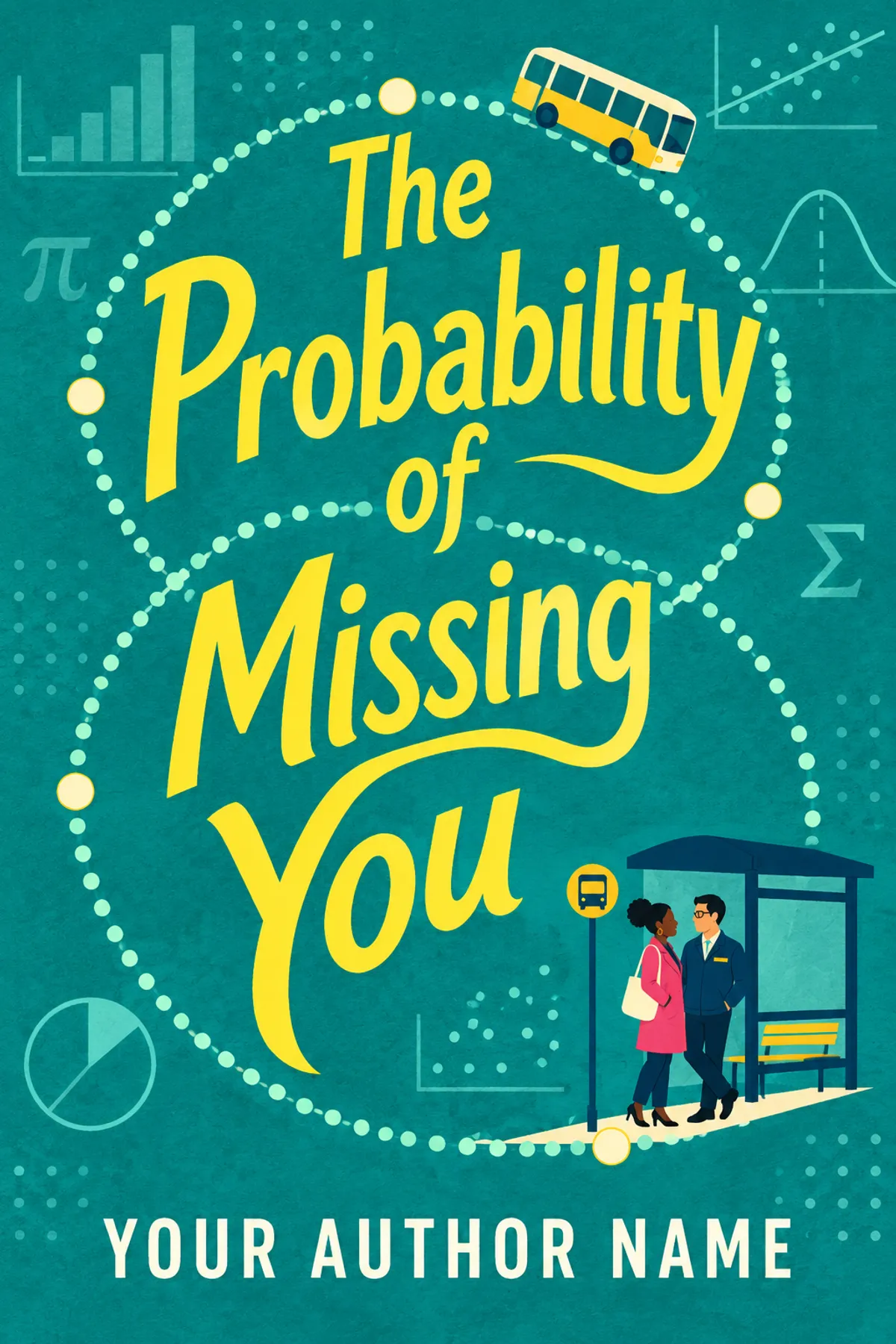
A transport statistician studies why one bus route produces unusually many friendships and falls for the driver who keeps disrupting her carefully designed survey.
ImagineYourBook writes a fresh draft from this idea.
How it begins
Hannah's survey had six questions and no provision for a passenger offering her half a melon.
She accepted it because refusing seemed likely to distort the response.
From the driver's seat, Omar watched her place the fruit beside her clipboard.
"Good morning so far?"
"Methodologically difficult."
"Wait until the knitting group gets on."
Route Seventeen had produced an unusual result in the city's travel study. Passengers reported more social connections than on comparable services. Hannah had been asked to investigate whether the finding reflected route design, demographics or a questionnaire people had misunderstood.
She had not been asked to enjoy herself.
At the next stop, Omar waited while a man folded a walking frame. He greeted a market trader by name, reminded another passenger about a dropped umbrella and asked nobody to participate in Hannah's study. She appreciated that last part.
Then he changed the usual announcement.
"For anyone going to the clinic, the west entrance is closed today. Use the stop after this one."
Three passengers thanked him. Two began comparing appointment times. A woman offered to walk with a man who wasn't sure which building he needed.
Hannah drew a line beneath her question about journey satisfaction.
At the terminus, Omar stood beside her while she ate the melon with a borrowed spoon.
"You keep changing the conditions," she said.
"The conditions keep changing."
"I'm trying to understand what makes this route different."
He looked back at the bus, where the market trader was helping the man with the frame find a bag he had left beneath his seat.
"Perhaps ask them what they do for each other."
Hannah had designed the survey around a service delivered to passengers. She looked at the people still talking beside the open doors.
"Would you mind if I rode the afternoon run?"
Omar smiled.
"Only if you bring a better spoon."
She added a seventh question before the bus departed.
Outline and characters
Develop this idea
Hannah's rigor should improve the story rather than serve as shorthand for emotional coldness. Omar's social skill also has limits and costs. Give passengers relationships that exist independently of him, preventing the route from becoming one charismatic man's miracle. The research can change through better questions without discarding evidence. Keep professional findings separate from romantic preference, and make the off-duty ending reveal interests the leads could not discover through their assigned roles.
- Hannah investigates the route's unusually strong social connections.
- Omar's responsive driving complicates her initial survey assumptions.
- Passenger interviews reveal a network of mutual help beyond the driver's influence.
- Hannah redesigns the study to include qualitative accounts without abandoning rigor.
- Repeated journeys create attraction and personal trust between the leads.
- Management proposes using Omar as the face of a campaign while cutting service frequency.
- Hannah refuses to let the findings justify a policy they do not support.
- Omar admits he has hidden the emotional strain of being everyone's reliable person.
- The final report recommends conditions that support connection without demanding unpaid heroism.
- They meet off duty and discover what they enjoy when neither is studying or helping the other.
Characters
- Dr. Hannah Reid, 35. Transport statistician
- Omar Lewis, 38. Bus driver on an unusually sociable route
Series possibilities
- Two regular passengers begin a late-life romance after the route's community noticeboard brings them together.