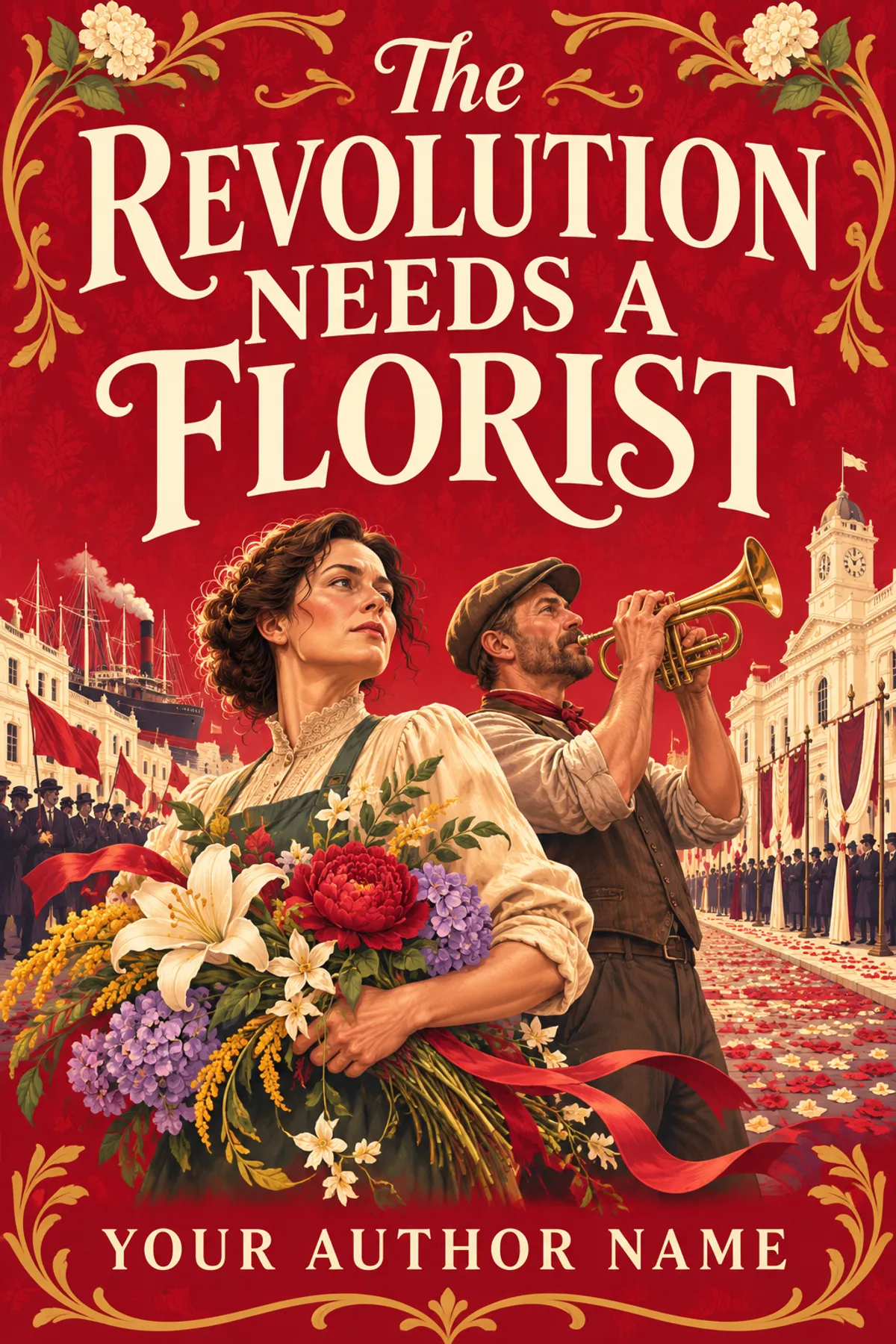
The Revolution Needs a Florist
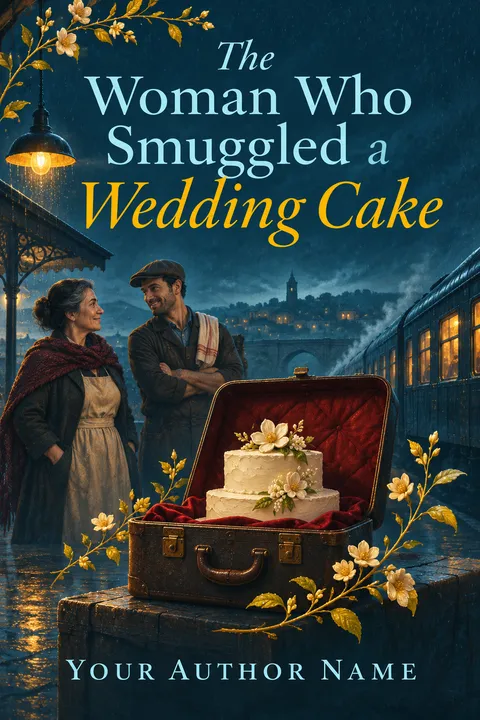
In a fictional port in 1908, a florist receives simultaneous orders from a visiting minister and the workers protesting his arrival. Keeping her shop alive means deciding which public celebration her flowers will describe, and who gets to call the result beautiful.
ImagineYourBook writes a fresh draft from this idea.
How it begins
Clara Finch received the revolution's flower order eleven minutes after the minister's.
The minister wanted dignity, loyalty, and nothing yellow. The revolution wanted carnations, credit until Friday, and a discount for bulk.
Clara put both letters beside the till.
Outside, the port was preparing to welcome a man half its inhabitants had spent the winter petitioning to leave them alone. Flags crossed the street. A municipal worker was painting over a slogan without waiting for the wall to dry.
Joseph Marsh entered carrying his trumpet case and a list written on the back of a shipping notice.
"We thought flowers might improve the procession."
"Processions generally make that claim about my work."
He looked at the minister's crest.
"You're doing his too."
"I'm doing whoever pays the rent, until someone offers a more practical arrangement."
Joseph accepted the answer without pretending to like it. Clara appreciated that more than she wanted to.
She had opened the shop after her father's death, when every creditor assured her they admired enterprise in a woman and then asked for payment earlier than they'd asked him. The minister's order would clear a month of debt. The workers' order included three men whose wives bought single stems on payday.
From the worktable, her assistant held up a bucket of yellow flowers.
"What do we do with these?"
Clara looked at them. Bright, inexpensive, and inconveniently healthy. The minister's secretary had called yellow undignified. The workers had not specified a color, which probably meant they would begin arguing about it at the next meeting.
Joseph set down his case.
"What do you think would look right?"
It was the first person all morning who'd asked.
Clara picked up one yellow stem and turned it toward the window.
For years, she'd been paid to make other people's intentions look natural. She was beginning to wonder how much of her own life had gone into the wrapping.
"Tell me where your procession ends," she said.
Your idea. Your book.
Keep the spark. Change anything.
Create my bookCreated with ImagineYourBook. Free to use as inspiration.
Outline and characters
Develop this idea
Research the chosen 1908 port's labor, class, trade, and civic customs before expanding the novel. Keep the city and dispute invented unless a specific documented event is investigated carefully. Clara's shop needs believable financial pressures, and the workers should disagree among themselves. Flowers can provide humor and public symbolism without replacing political action. The ending should show a concrete choice about work and representation, rather than crediting one beautiful arrangement with resolving inequality.
- Clara accepts a prestigious ministerial flower order
- Joseph requests arrangements for a workers' procession
- Both clients demand exclusive public loyalty
- A delayed delivery forces the flowers into one shared space
- Clara hears differing accounts of the labor dispute
- Her assistant challenges the shop's claim of neutrality
- A profitable offer asks her to erase one group's contribution
- Clara proposes a public arrangement nobody can own alone
- Workers decide their own representation at the gathering
- The shop continues under a more honest idea of service
Characters
- Clara Finch, 39. Florist
- Joseph Marsh, 46. Dockworker and amateur brass musician
Series possibilities
- Historical novels follow skilled shopkeepers navigating public conflicts that arrive disguised as ordinary commissions.