The Ladder Has an Address
Start a neighborhood tool shelf where a borrowed ladder always has a way back home.
ImagineYourBook writes a fresh draft from this idea.
Introduction
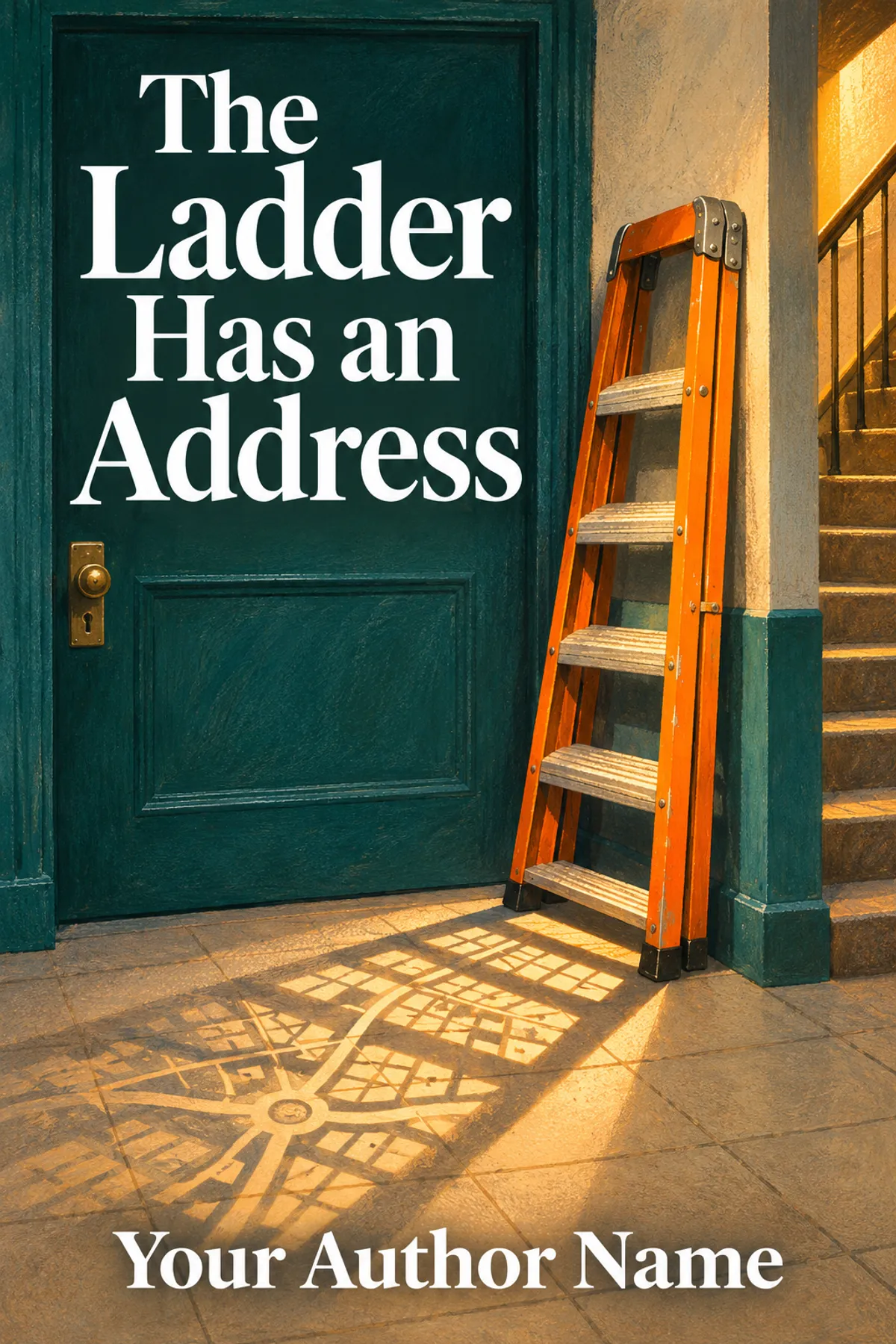
The ladder belonged to Marta. On Wednesday it belonged to nobody.
She stood in the corridor with a lampshade under her arm while Omar texted the neighbors. One person thought the ladder was with the man in number seven. Number seven had used it to reach a cupboard but swore he had carried it down to the storeroom. In the storeroom Omar found two buckets, a roll of masking tape and the shadow of an object that might once have been tall.
"We have a ladder club," Marta said. "I would like to see our ladder."
The smallest lending library starts with a place where something goes home. If a shared object belongs to a person, the person gets to choose when it is available. A handoff works when everyone can answer three questions: where is it now, who has permission to move it and when does it come back? A sophisticated system is optional. An answer is essential.
Try the first version with one object and two willing people. Pick a storage place the owner agrees to. Agree how borrowers will check an item for visible damage and what they will do if it needs attention. Choose an ordinary return cue that people actually notice. A hook marked with the object's name can help, especially if the empty hook tells you what is gone. Use a card or a private message for the date. You don't need to post anyone's personal information on a hallway wall.
The people in the building made their first check-out card from the back of a cereal box. They put "ladder" in the top corner and left room for a return date. The first agreement was that Marta could ask for it back before the weekend, because Marta had the most credible need for a ladder.
It turned out number seven had taken it down one flight too far. Omar carried it up and held the lampshade while Marta fastened it.
They gave the ladder a place to go. Then they asked what else people might actually like to share.
Chapter plan
Develop this idea
Keep the scale small enough that readers can picture the first week. Distinguish an item being available from its owner being willing to lend it. Show how a real storage space and a reliable return habit matter more than a digital catalog. Include a modest exit plan and different accessibility options for borrowers. Use examples that respect privacy and avoid promising safety from a checklist.
- Open with the missing ladder and the owner who needs it tonight.
- Interview neighbors about what they actually borrow and when.
- Choose a tiny starter collection and agree what stays out.
- Set a named location and photograph ordinary condition at handoff.
- Create a low-tech check-out and return process.
- Write an invitation that makes lending and borrowing optional.
- Design a check for damaged items and decide when to remove them.
- Share the key, work and responsibility in a sustainable rotation.
- Review missed returns without public shaming.
- Decide whether to keep, grow or close the pilot based on actual borrowing.
Series possibilities
- A guide to sharing repair skills through neighborhood workshops.