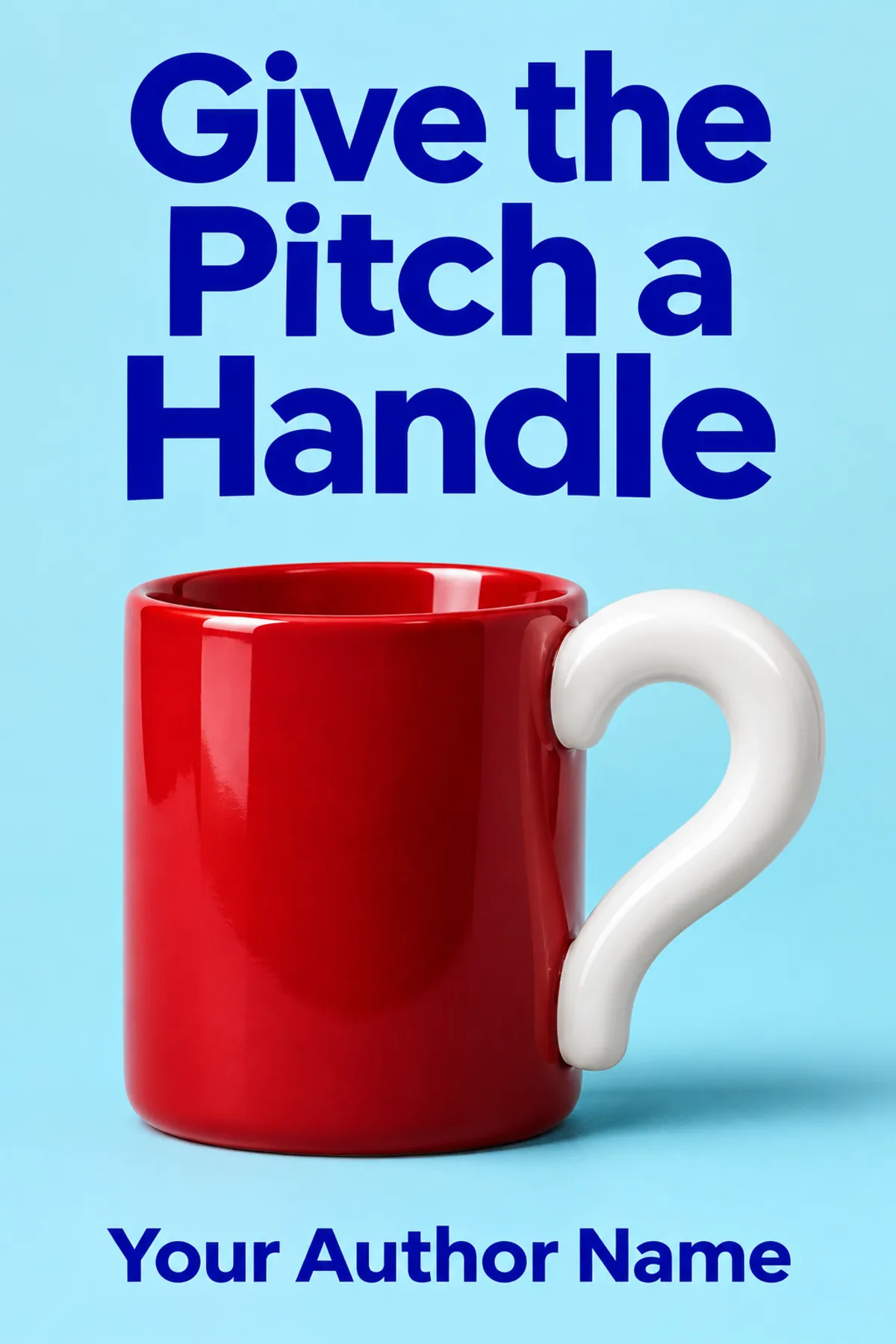
Give the Pitch a Handle
Explain a complicated idea through one thing your listener can picture doing.
ImagineYourBook writes a fresh draft from this idea.
Introduction
Imani had made six slides about the new pottery studio booking system. The slides explained membership, glazing times and a particularly complicated way of choosing an evening. At the open day she showed them to Rose, who was standing beside the kiln with her coat on.
"If I come on Tuesday, what do I make?" Rose asked.
Imani put the remote down. On the shelf behind her were three bowls made by people who had never touched a wheel before. She lifted the smallest one.
"Something like this. It comes home after we fire it."
Rose held it by the rim. Now she wanted to know when she could collect it and whether someone would show her how to get the sides even. The first three slides had not offered a place for either question.
Give an explanation a handle. Name one thing the listener could do, touch or recognize if the idea worked. A handle will not explain the whole process. It gives the listener a way to pick up the first piece of it. "On Tuesday you'll shape a bowl. We fire it after the class" is enough to understand why a second visit might be needed.
Try this with a project you know well. Imagine someone looking at it for the first time. What decision is in front of them? Start with the action they can take. Name one condition or limit that changes the decision. Then ask them what they expect would happen next. Their answer can show where your explanation left something important out.
Imani kept a slide about the schedule and one about where finished work went. She put a beginner's bowl next to the sign-up sheet, with a note saying when it could be collected.
The next visitor picked it up. Imani waited until he set it down before talking about the kiln. He asked if he could bring his own apron.
Chapter plan
Develop this idea
Choose several settings where the explainer knows much more than the listener. Show how a listener's decision determines which details to include. A handle should be a real action, object or result, so test it with someone new to the subject. Add a truthful limit and explain unfamiliar words where necessary. The examples should work without any requirement to be entertaining on cue.
- Open on an explanation that says everything except what happens first.
- Choose the listener and the decision they need to make.
- Describe the project in one physical action.
- Use a specific example before naming the general process.
- Define the one specialized term the listener needs.
- Explain the tradeoff and one limit.
- Invite a question that tests the explanation gently.
- Rewrite for a slide, an email and a live demo.
- Compare what several listeners understood.
- Build a reusable explanation card for the next project.
Series possibilities
- A guide to writing short, useful instructions for first-time visitors.