Penalty for Excessive Eye Contact
A retired referee and a wheelchair-basketball team's new logistics manager clash over a charity tournament, then discover the quiet pleasures of being off the scoreboard.
ImagineYourBook writes a fresh draft from this idea.
How it begins
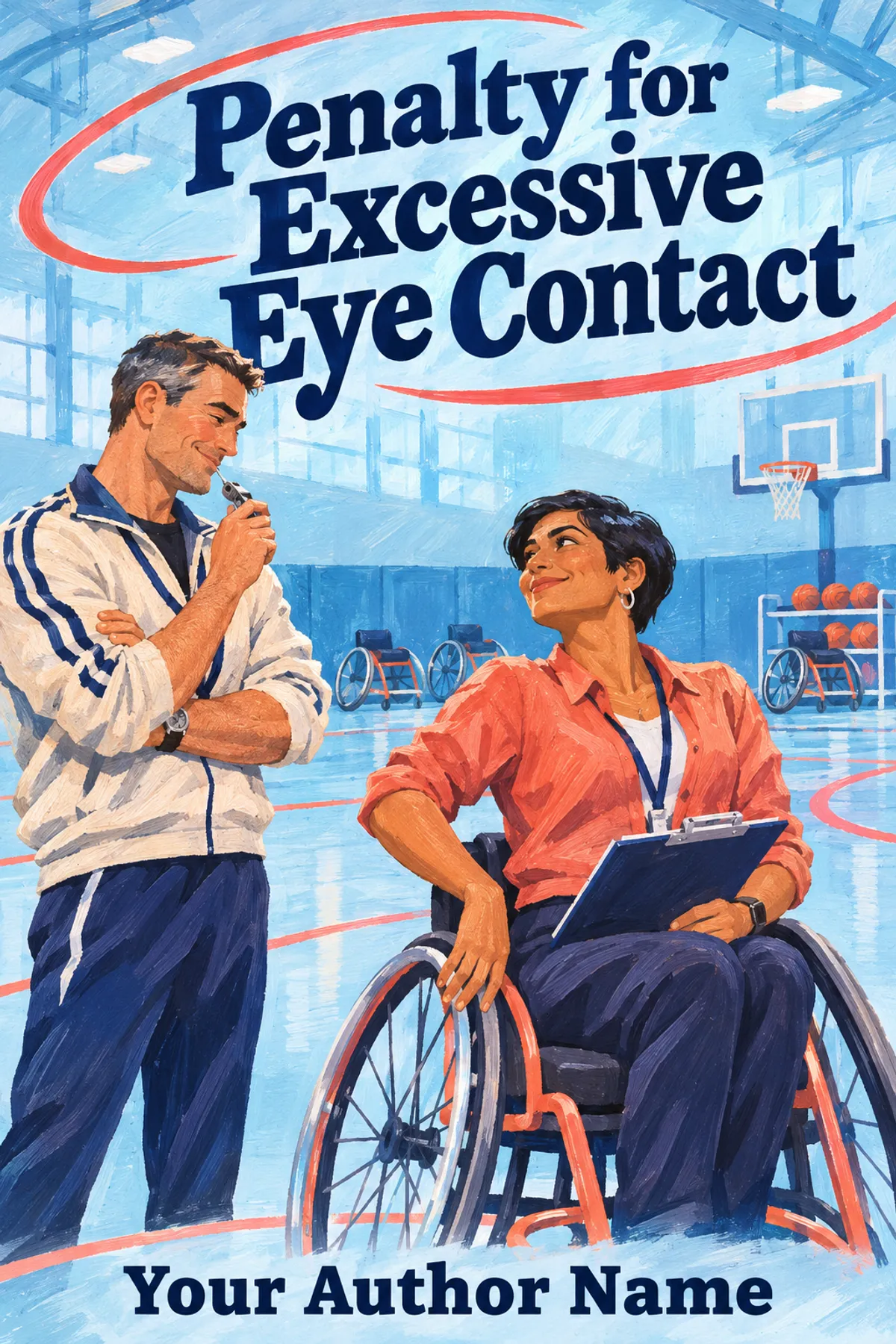
Simon blew the whistle before remembering he no longer had authority over anybody in the room.
Ruth stopped her sports chair beside the scorer's table and looked at him.
"Was that necessary?"
"The trolley was blocking the entrance."
"Then you could ask someone to move it."
He lowered the whistle. Thirty years of refereeing had left him with excellent reactions and several habits nobody outside a court appreciated.
Ruth pointed toward the storage cupboard.
"You can start with that one."
He moved the trolley. She continued reviewing the tournament plan, turning between the seating layout and the access route with the concentration of someone who had already identified six problems and expected to inherit three more before lunch.
Simon had volunteered because retirement sounded restful until it actually happened. The sports center had accepted because the charity event needed experienced officials. Neither had intended him to supervise its new logistics manager.
"I know this building," he said.
"Good. Which changing room has the broken lock?"
He hesitated.
"I don't know."
"Then we know different parts of it."
She said it without triumph. Somehow that made the correction easier to hear.
They inspected the rooms together. Simon noticed an unreliable scoreboard. Ruth noticed a narrow turn that would make the planned equipment route awkward. Between them, the event became less ready and more possible.
At the court entrance, a ball rolled across their path. Ruth caught it, turned and made a clean shot from beside the doorway.
Simon applauded once before stopping himself.
She grinned.
"You're allowed to appreciate good basketball. Just don't make it a speech."
He laughed, properly this time.
Ruth passed him the clipboard.
"Coffee?"
"Is that on the schedule?"
"It is now."
Simon put the whistle in his pocket and left it there. He had spent most of his adult life deciding when other people should stop. It occurred to him that learning when to begin might be useful too.
Outline and characters
Develop this idea
Center the athletes' skill and competitive interests rather than inspirational framing. Ruth's chair is part of her practical life, not an obstacle the romance must overcome. Simon should learn to participate differently without losing the expertise that makes him useful. Venue details and tournament logistics create grounded scenes, but the relationship also needs off-court interests. Research the sport before expanding match action, and let the final date reveal people who are more than their event roles.
- Simon and Ruth clash over his tendency to officiate ordinary conversations.
- A joint venue inspection reveals complementary knowledge.
- They recruit qualified officials and solve specific access and equipment problems.
- Ruth introduces Simon to life around the team beyond his old role.
- He admits retirement has left him unsure how to participate without being in charge.
- Their attraction becomes clear during a quiet planning evening.
- A sponsor proposes sentimental publicity that misrepresents the athletes.
- Ruth rejects it and Simon supports the players' own account without speaking for them.
- The tournament succeeds with competitive sport at its center.
- They meet afterward for a date with no whistle, clipboard or score.
Characters
- Simon Cole, 46. Retired basketball referee
- Ruth Bennett, 42. Wheelchair-basketball player and tournament logistics manager
Series possibilities
- A team equipment volunteer and a visiting official discover a romance during the next tournament season.