Build a Museum in a Matchbox
Curate a small exhibition around one question and one object a visitor will remember.
ImagineYourBook writes a fresh draft from this idea.
Introduction
The oldest thing in the collection was a button nobody could name.
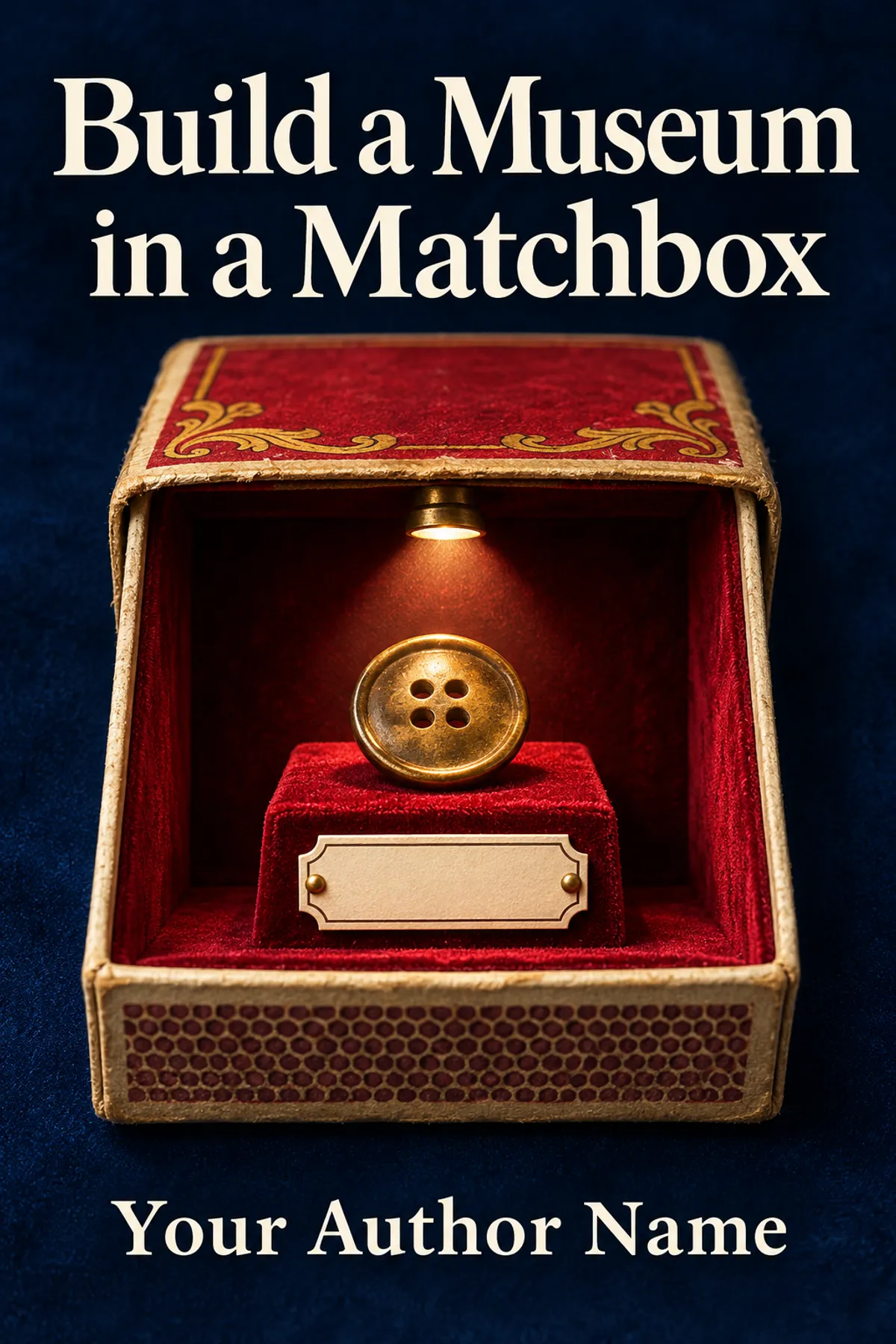
Maks brought it to the library in a matchbox. It was dark brass with two holes and a curved scratch near the edge. His mother had kept it in a jar with spare keys. He thought it had come off a work coat, although it might have belonged to a cushion. Elena set it on the table beside a paper bus ticket and a comb.
The library had given her a small space by the returns desk. She could put out three objects, provided nobody had to move a book to see them. At first she called the display "Old Things." That left her with nothing useful to say about the comb, which had been bought eight years earlier and could still do its job.
"What did these things let people do?" she wrote instead.
Now there was a place for the comb. Someone had repaired one of its teeth. The bus ticket had let a person cross town and had been kept because somebody wrote a phone number on the back. Elena could display a copy with the number hidden. The button had probably held something shut. She wrote what Maks remembered and left the exact object open.
Choose one question before you choose a shelf of things. Pick objects that give a visitor different ways to answer it. Write a short label that helps them look, then tell them what is known and what remains uncertain. Ask the owner what can be shown and handled. Decide how the borrowed object goes home before you invite anyone to see it.
A visitor stopped on his way out with four detective novels. He asked why the button was in a matchbox. Elena said that was how it had arrived. He put his books down for a moment and looked at the button again.
"That sounds like a label," he said.
Chapter plan
Develop this idea
Have the curator choose three objects because each does a different job. Teach short labels through a change the reader can see on the page. Include permission, care for borrowed things and alternatives to physical handling. A tiny display can make uncertainty interesting. Let the reader build an exhibit with objects they already own or can borrow, then write a return plan.
- Open with a button that has no label.
- Choose a question that fits a small display.
- Select objects that answer it in different ways.
- Record ownership, permission and limits on handling.
- Write labels that distinguish fact from possibility.
- Arrange the display at a reachable height.
- Test what a visitor notices before explaining it.
- Make another way to see or hear the objects' stories.
- Plan returns before opening the display.
- Record what the exhibition taught its organizers.
Series possibilities
- A guide to turning a tiny exhibition into a series of local displays.